Morels
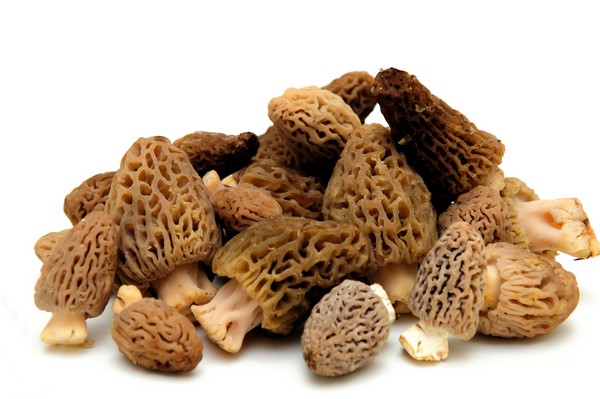
Morels are spring mushrooms beloved by many. They have a distinctive appearance. Their caps resemble a sponge or a brain.
These mushrooms prefer to grow in certain types of soil in partially shaded areas. They usually like to grow in groups. If you find one, look for others nearby.
There are several types of morels:
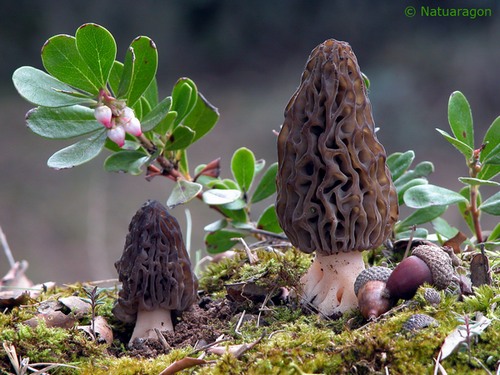
These are the earliest edible mushrooms. They are usually gray rather than black. They are much more common than other species.
This is one of the few mushrooms that can cause allergic reactions in humans. Therefore, if you've never tried morels before, start by tasting a small piece. If there's no reaction, you can continue eating them. Allergic reactions can include stomach upset and muscle weakness. Sometimes, a morel allergy only manifests after the mushrooms interact with alcohol in the stomach.
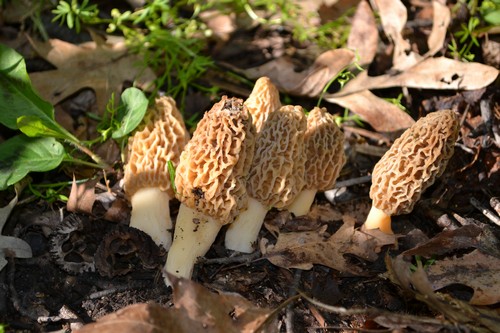
Yellow morels reach a height of 30 cm and can be not only yellow, but also white, gray, or light brown. They are the last of all morels to ripen and have the most appetizing aroma. They can reach truly gigantic sizes and have a very thick stem.
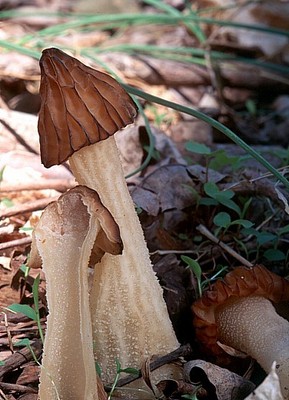
These morels emerge after the black morels and continue to grow until the end of the yellow morel season. They are almost identical to other morel varieties, except for their caps, which are half the size of the others.
Where to pick morels?
Morels thrive in moist soil, so if the spring was dry, they can be difficult to find. They begin to grow when both day and night temperatures warm up.
Morels prefer to grow in specific locations around specific tree species. Knowing these factors will make finding these mushrooms much easier. They can grow in the following locations:
- apple orchards;
– southern and northern sides of the slopes;
– sandy soil;
- next to woodpiles and sawmills;
– around dried trees;
– next to trees such as poplar, ash, oak, hawthorn and spruce;
- near the railways.
How to find morels?
Mushrooms are usually hidden under leaves or branches of dead trees. The best time to pick morels is after rain. The water makes the leaves heavy and wet, clinging to the mushrooms and highlighting their shape, making them easier to spot. Morels often grow on hillsides. Visually, they are easier to spot on hilltops than at the foot of them.
When you go morel picking, take a large container, maybe even two. When you find mushrooms, don't shout "Found it!" across the forest, otherwise other mushroom pickers will discover the morel growing areas and then visit them before you do.
But even if you know where morels grow, they're not always easy to find. Sometimes, searching for them can take a significant amount of time.
Preparation
Before cooking mushrooms, clean them. Place them in a bowl of salted water for 24 hours. The water will kill any insects that may be on them. Afterward, remove the mushrooms from the water and rinse thoroughly.
There are many ways to cook morels.
You can simply fry them. To do this, melt a large knob of butter in a frying pan. Fry the morels in the butter until they are browned and crispy. At the end of frying, season the mushrooms with salt and a little pepper to add flavor.
Morels can also be frozen or dried. Just remember that drying significantly reduces their size, so you should prepare them in much larger quantities for future use than for fresh consumption.
Categories:
Related articles