Directory of spices and sauces
Spices – it's a small but crucial component in cooking. You can't pass by a spice shop without turning your head and smelling the rich, enticing aromas.
Surely, every housewife uses them every day for cooking: from simple salads to intricate desserts.
Aromatic herbs have been used since ancient times. In ancient times, spices were worth their weight in gold. Culinary arts evolved and improved as society evolved, and spices played a significant role.
There are a great many spices throughout the world. Some spice plants grow only in certain latitudes, while others have adapted to areas with different climates and soils. Humans have even domesticated certain species and grown them as agricultural crops in their gardens.
Although spices have been known for a long time, there is no definitive classification, and there is not even a complete and comprehensive definition.
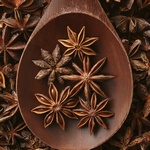
Mixing spices creates seasonings that impart a specific flavor (salty, sweet, bitter, etc.) to a dish. Besides flavor, spices impart a unique aroma to food (vanilla, lemon balm, bay leaf, mint). This is facilitated by the essential oils they contain. Furthermore, many spices (saffron, turmeric) contain coloring agents that impart their color to the main dish. Adding spices also affects the texture of the food itself: meat, for example, becomes tenderer, cucumbers firmer, etc. Surprisingly, spices are used in preserving: star anise, for example, prevents jam from crystallizing. Rue and mustard have antifungal properties, inhibiting mold growth and destroying fungal colonies.
Spices can be either dried (thyme, marjoram, ground pepper, cinnamon, vanilla) or fresh (dill, mint, ginger). Almost all parts of the plant are used in dishes: roots, tubers, leaves, green foliage, buds, flower stigmas, and fruits.
During the cooking process, spices are added at the end to prevent the aroma from escaping with the steam, and to preserve the vitamins and minerals in them.
Spices and seasonings create a harmonious balance of flavor and aroma in dishes. In moderation, they have a beneficial effect on the digestive system via the taste buds, improving appetite and boosting metabolism. Tasty food lifts your mood and increases productivity.