Balsamic vinegar
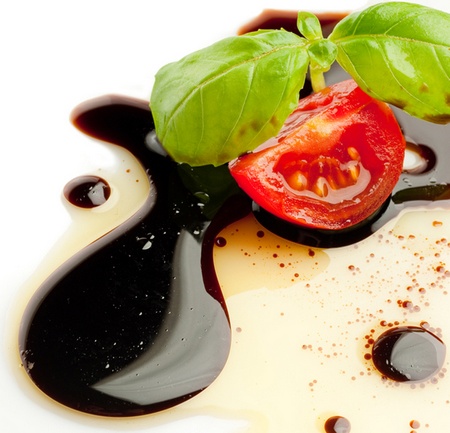
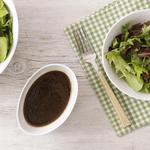
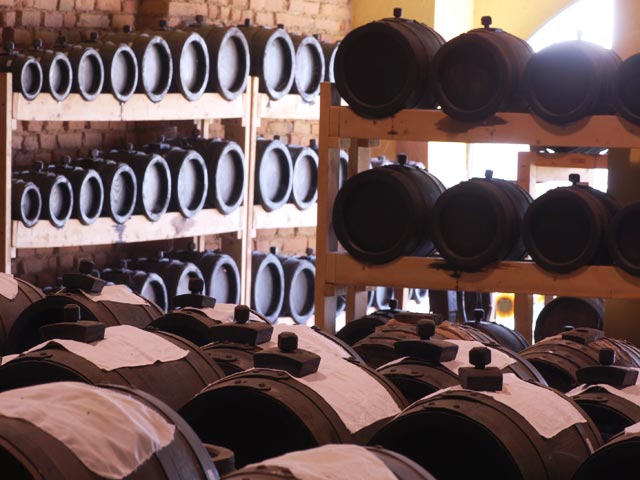
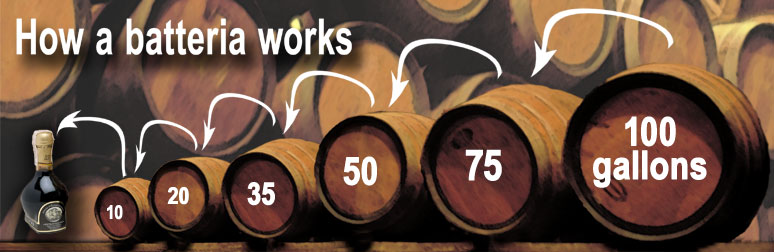
True balsamic vinegar is produced in the province of Modena in the Italian region of Emilia-Romagna. It is made from high-quality grapes, from which the juice is pressed. The juice is simmered until a highly concentrated liquid is obtained. The concentrate is then left to ferment for 12 years, aging in barrels of varying sizes and made of different types of wood to impart distinct flavors. The result is a dark, thick vinegar with a rich flavor and aroma.
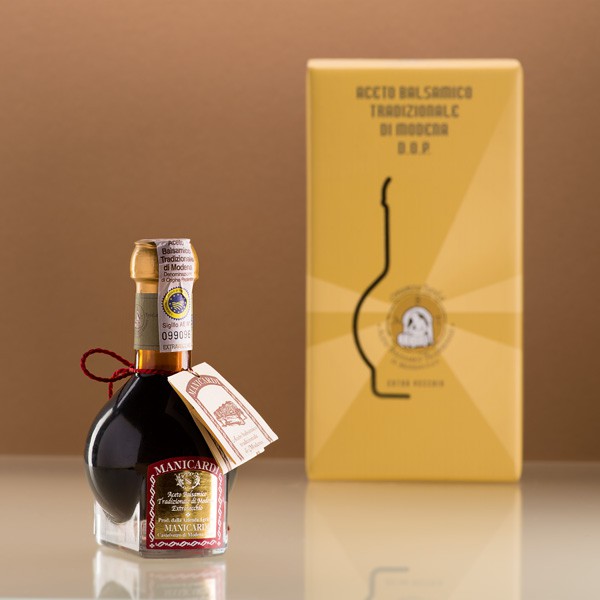
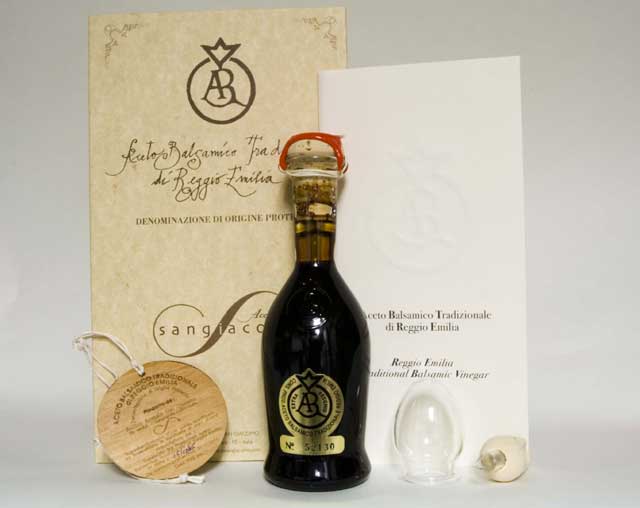
This vinegar will be very expensive. Its bottle will be labeled "tradizionale" and/or "DOC." However, there are also less expensive, industrially produced options. These are usually labeled "aceto balsamico di Modena." This means they are not made from pure grapes, but contain vinegar and grape must. Furthermore, these balsamic vinegars are not aged for as long, so their flavor is less pronounced.
How to choose the best one?
As mentioned above, vinegars labeled "tradizionale/DOC" or "aceto balsamico di Modena" are considered the best. Cheaper varieties are simply disguised as expensive ones, adding caramel for color and flavor. These vinegars are great for salads and glazes, but they completely lack the full depth of flavor of true balsamic vinegar.
Storage
Balsamic vinegar should be stored in a cupboard, in a cool, dark place.
Culinary uses
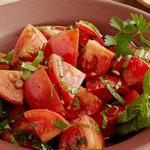
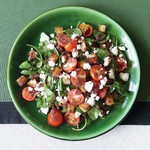
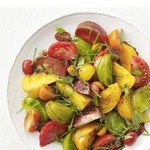
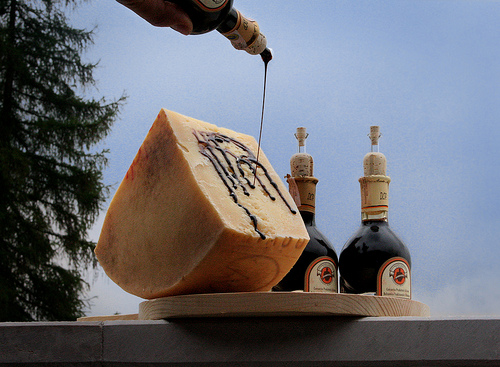
Add just a few drops of real balsamic vinegar (connoisseurs usually use a pipette) to juicy and ripe strawberries, chunks of Parmesan cheese, or a high-quality vanilla ice cream. Vinegar labeled "Aceto Balsamico di Modena" can be brushed onto chicken or duck before roasting, onto tuna fillets before grilling, or added to a tomato salad or a sautéed vegetable sauce.
Replacement
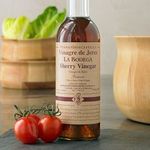
You can use balsamic vinegar instead of sherry or red wine vinegar.
All recipes with balsamic vinegar
Categories:
Related articles