Granulated garlic substitutes
The latest culinary trend is granulated garlic. But if you can't find it in stores, you can substitute it with similar, but different, products.
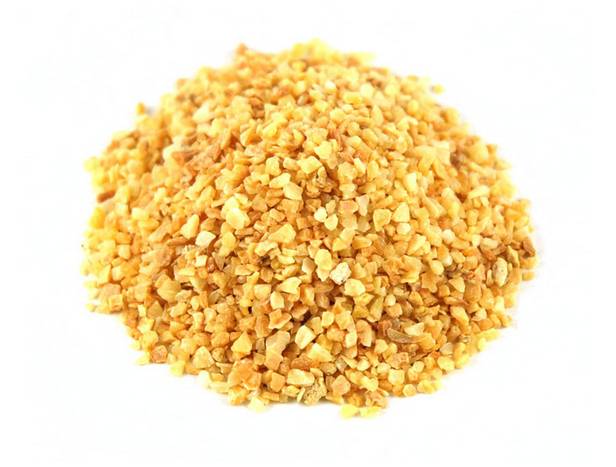
Along with onions and green onions, garlic has been used in cooking since ancient Egypt. It has antibacterial, antiviral, and antifungal properties. Its pungent flavor and spicy aroma make it a popular culinary seasoning for a variety of dishes.
Although fresh garlic is more aromatic and flavorful, it can also be used dried. Granulated garlic is very popular these days. But if you can't find it, you can always use substitutes.
What is granulated garlic?
Fresh garlic is peeled, passed through a garlic press or chopped very finely, and then placed in an oven where it is dried for a long time over low heat.
Granulated garlic can be stored for several months in a cool, dry, dark place. Its advantage is that it doesn't go rancid or lose its flavor or aroma. It's rarely found in stores, which is why it's much more expensive than garlic powder or flakes.
Granulated garlic is used in a wide variety of dishes. One clove of fresh garlic is typically replaced with 1/3 teaspoon of granulated garlic. The granules can be soaked in water, making them a suitable substitute for fresh garlic.
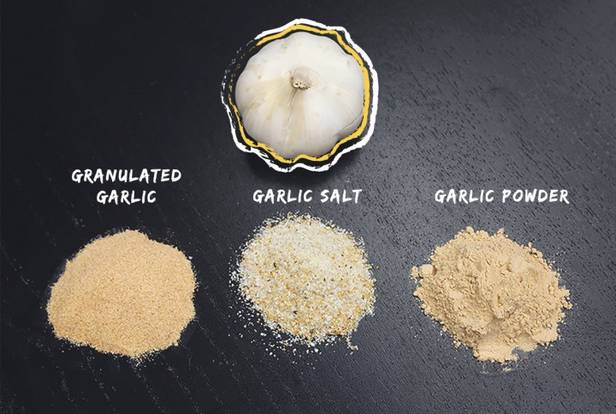
Granulated garlic substitutes
Garlic salt
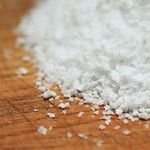
In some recipes, granulated garlic can be substituted with garlic salt. Garlic salt is dried garlic powder mixed with salt. So, if you call for 1/4 teaspoon of garlic granules, you can use one teaspoon of garlic salt instead. No additional salt is needed. Garlic salt should generally be used sparingly because it's very salty—it's only one part garlic to three parts salt.
Garlic powder
Granulated garlic can always be substituted with dried garlic if needed. However, you only need a small amount of powder. If a recipe calls for one tablespoon of granulated garlic, use only half a tablespoon when substituting with powder.
Garlic flakes
Garlic flakes can also be a great substitute for granulated garlic. However, you'll need twice as much as granulated garlic. So, instead of one tablespoon of granulated garlic, use two tablespoons of flakes. Dried garlic flakes can be soaked in water and used in dishes calling for fresh garlic.
Garlic juice
Garlic juice is now available in supermarkets in major cities. This product contains nothing but the juice obtained by squeezing a garlic bulb. The juice has a much more intense flavor and aroma than granulated garlic, so it should be used in smaller quantities. Instead of a teaspoon of granules, you only need half a teaspoon of juice.
You can also make garlic juice at home. Grind the garlic into a puree, place it in cheesecloth, and press it to extract the juice. Use the homemade juice immediately; it won't keep for long.
All of the above products can be used in place of granulated garlic. Don't be afraid to try substitutes you haven't tried yet. Over time, you'll determine which flavors and textures suit you best, and you'll know which product to use in which situations.
Although fresh garlic is more aromatic and flavorful, it can also be used dried. Granulated garlic is very popular these days. But if you can't find it, you can always use substitutes.
What is granulated garlic?
Fresh garlic is peeled, passed through a garlic press or chopped very finely, and then placed in an oven where it is dried for a long time over low heat.
Granulated garlic can be stored for several months in a cool, dry, dark place. Its advantage is that it doesn't go rancid or lose its flavor or aroma. It's rarely found in stores, which is why it's much more expensive than garlic powder or flakes.
Granulated garlic is used in a wide variety of dishes. One clove of fresh garlic is typically replaced with 1/3 teaspoon of granulated garlic. The granules can be soaked in water, making them a suitable substitute for fresh garlic.
Granulated garlic substitutes
Garlic salt
In some recipes, granulated garlic can be substituted with garlic salt. Garlic salt is dried garlic powder mixed with salt. So, if you call for 1/4 teaspoon of garlic granules, you can use one teaspoon of garlic salt instead. No additional salt is needed. Garlic salt should generally be used sparingly because it's very salty—it's only one part garlic to three parts salt.
Garlic powder
Granulated garlic can always be substituted with dried garlic if needed. However, you only need a small amount of powder. If a recipe calls for one tablespoon of granulated garlic, use only half a tablespoon when substituting with powder.
Garlic flakes
Garlic flakes can also be a great substitute for granulated garlic. However, you'll need twice as much as granulated garlic. So, instead of one tablespoon of granulated garlic, use two tablespoons of flakes. Dried garlic flakes can be soaked in water and used in dishes calling for fresh garlic.
Garlic juice
Garlic juice is now available in supermarkets in major cities. This product contains nothing but the juice obtained by squeezing a garlic bulb. The juice has a much more intense flavor and aroma than granulated garlic, so it should be used in smaller quantities. Instead of a teaspoon of granules, you only need half a teaspoon of juice.
You can also make garlic juice at home. Grind the garlic into a puree, place it in cheesecloth, and press it to extract the juice. Use the homemade juice immediately; it won't keep for long.
All of the above products can be used in place of granulated garlic. Don't be afraid to try substitutes you haven't tried yet. Over time, you'll determine which flavors and textures suit you best, and you'll know which product to use in which situations.
Translation by: Natalia Semenova "TopCook"
Votes: 1
Categories:
Related articles