Choose foods over supplements
Learn how to get some of your body's most important nutrients from foods, not supplements.
Food > Supplements
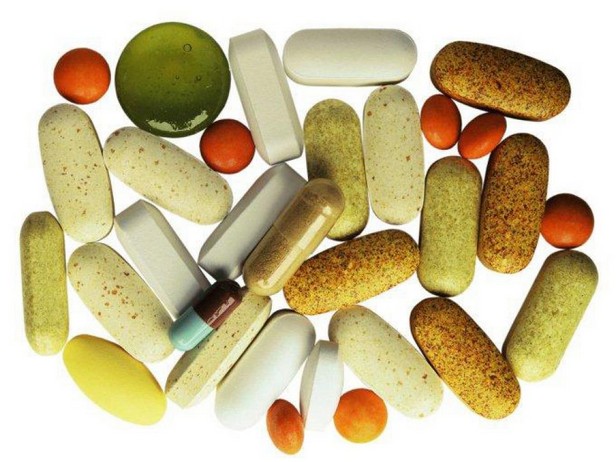
Store shelves are full of products promising "good nutrition in a bottle." But because the Food and Drug Administration (FDA) doesn't effectively regulate all these pills, powders, and capsules, there are many unreliable and unsafe dietary supplements. Furthermore, taking too much of any supplement can be dangerous. Instead of wasting money, turn to real food. Learn which foods contain some of the most important nutrients.
Salmon: Vitamin B12
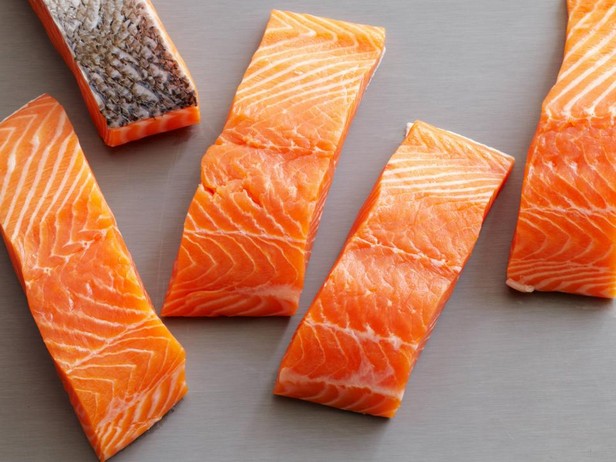
Vitamin B12 is essential for blood cells and a healthy nervous system. It's abundant in animal products (meat, fish, and poultry), and can also be found in fortified cereals and grains. A 3-ounce serving of cooked salmon contains 80% of the daily value of vitamin B12, and it's also an excellent source of essential omega-3 fatty acids.
Eggs: protein
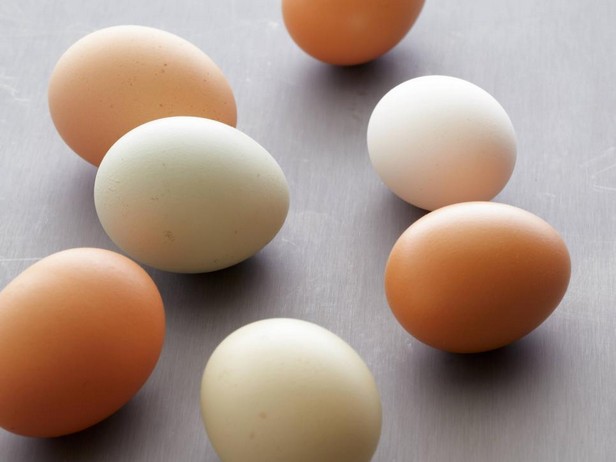
On average, a 150-pound person needs 55 grams of protein per day. Eating two eggs will provide you with 25% of this amount. And don't skip the yolks—they contain as much protein as egg whites, as well as other nutrients like antioxidants and omega-3 acids.
Red bell pepper: vitamin C
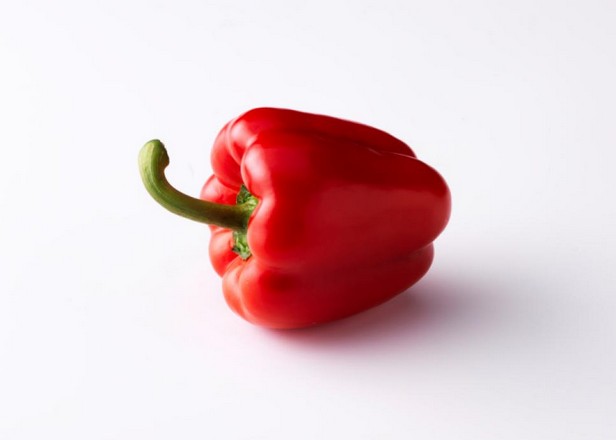
High doses of vitamin C in supplements can cause stomach upset. Furthermore, such high doses are often unnecessary, as fruits and vegetables contain a lot of vitamin C. Red bell peppers are especially notable for this: 95 mg of the vitamin (or 160% of the daily value) in just 1/2 cup.
Yogurt: calcium
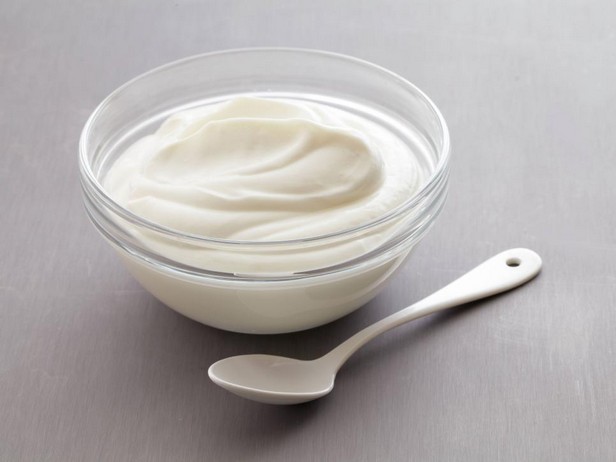
A recent study examined whether calcium supplements do more harm than good. Regardless, you can't go wrong with yogurt. Regular consumption provides calcium and digestive-friendly probiotics.
Milk (and milk substitutes): Vitamin D
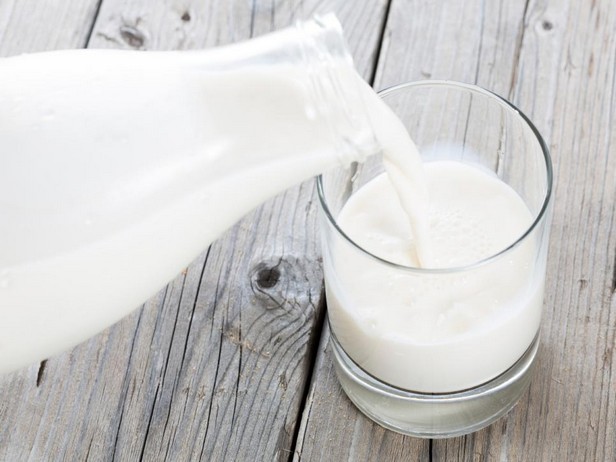
According to the Centers for Disease Control and Prevention, 25% of the US population is at risk due to inadequate intake of this vitamin, which is essential for bone growth and immune health. You can get your daily dose of vitamin D from a glass of fortified milk or a milk substitute, such as soy, almond, or coconut milk.
Fortified breakfast cereal: iron
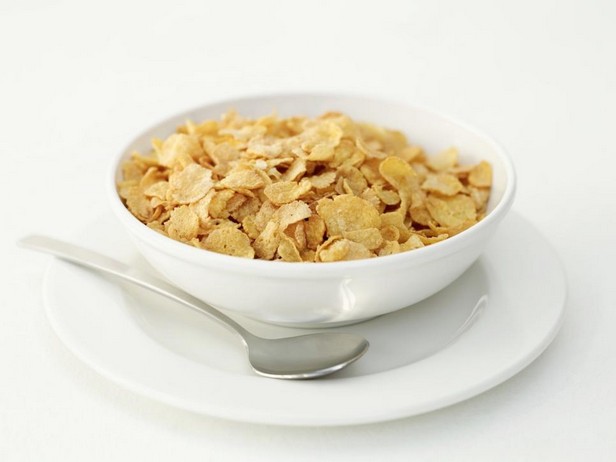
Red meat is perhaps the most obvious source of iron, but it's also found in iron-fortified breakfast cereals. Iron is responsible for transporting oxygen to all cells (which is, quite frankly, critically important). Check the labels of your favorite oatmeal and breakfast cereal brands and choose those with the highest iron content if you're deficient in this mineral.
Berries: Antioxidants
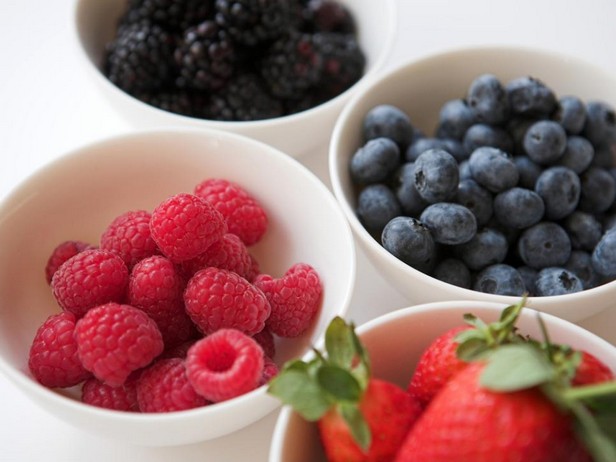
These cell-protecting and inflammation-fighting phytochemicals are found in favorite fruits: blueberries (especially wild blueberries), strawberries, raspberries, cranberries, cherries, and blackberries. Add berries to your breakfast cereal, yogurt, smoothies, oatmeal, salads, and baked goods to ensure they're a regular part of your diet.
Cottage cheese: branched-chain amino acids
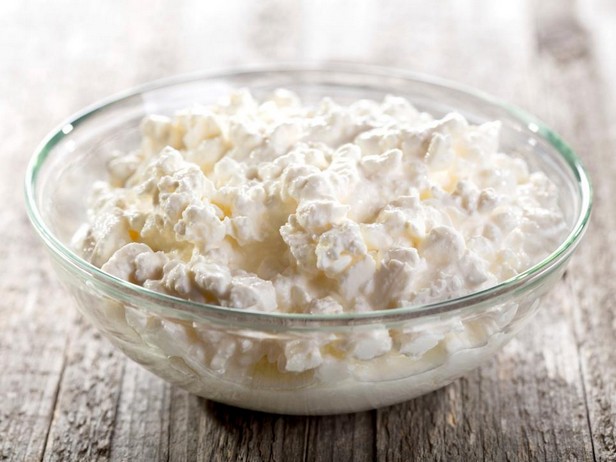
Due to their role in muscle growth, branched-chain amino acids (BCAAs) are included in virtually every advertised bodybuilding and performance-enhancing supplement. Unfortunately, most of these supplements fall short of the hype. In fact, these amino acids (leucine, isoleucine, and valine) are found in everyday foods. In particular, cottage cheese is an excellent source of leucine: 1 cup of cottage cheese contains more leucine than 3 ounces of chicken breast.
Oysters: Zinc
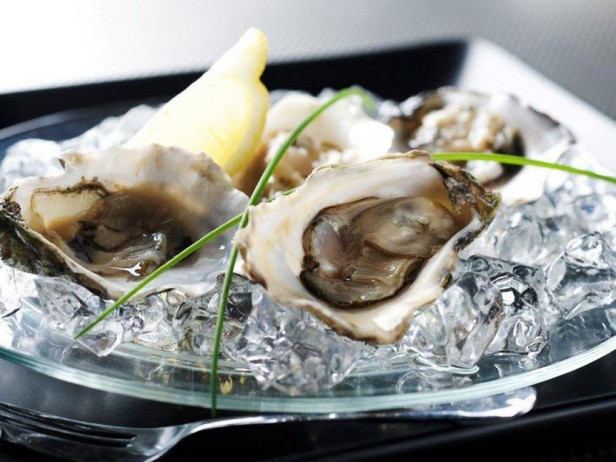
The body needs zinc for many functions, including growth, energy metabolism, immunity, and wound healing. 85 grams of cooked oysters contain five times the daily recommended value of zinc. If you don't like oysters, no problem—beef, crab, pork, yogurt, nuts, and beans also contain plenty of zinc.
 Recipe author - Food Network
Votes: 3
Categories
Healthy eating / Recipe collections / Food Network - recipes / Culinary articlesSimilar recipes

Protein popcorn

5 Essential Farmer's Market Products for

The best products for relaxing at the beach or in the park

Safe Food While Traveling

How to eat healthy at the airport
Products for maintaining water balance

12 Quick Pantry Snacks

Supermarket products that are better

Foods that help fight inflammation
Heart-Healthy Foods
8 Steps to a Healthier Heart
Foods containing healthy carbohydrates

The best foods to boost immunity

Dyeing Easter eggs with natural dyes

Rice with edamame beans and shiitake mushrooms

Brownie - chocolate spread
Freezing foods with low calories

Food Safety When Traveling

All about food preservatives and preservation methods
Foods rich in manganese

7 foods with a long shelf life

Safe barbecue

How to choose a mixer for the kitchen

Marinade for fish and seafood

The most expensive food products

Prohibited foods
Meat substitutes

Food additives in food products

What foods should not be stored in the refrigerator?

How to get rid of insects in your pantry

Liquid smoke (liquid smoke) and its substitutes
Tannin in products
Appetizers
Beer snacks
Cheese appetizers
Sandwiches
Snacks
Canapes
Assorted appetizers
Snacks with sauces
Meat appetizers
Fish appetizers
Vegetable appetizers
Egg appetizers
Soups
Cold soups
Creamy soups
Cream soups
Soups with dressings
Clear soups
Vegetable soups
Thick soups, stews
Meat soups
Fish soups
Soups with pasta and cereals
Main courses
Meat
Bird, game
Side dishes
Vegetables, mushrooms
Fish, seafood
Cereals, legumes
Eggs, dairy products
Pasta
Casseroles
Salads
Warm salads
Vegetable salads
Leafy salads
Fruit salads
Salads with cereals and pasta
Salads with meat
Salads with fish
Salads with eggs
Salads with beans
Salads with bread
Fast food
Hamburgers
Sandwiches
Hot dogs
Pizzas
Hot sandwiches
Tortilla Dishes
Pita dishes
Pancakes
Sauces for fast food
Deep-fried dishes
Sauces
Seasonings
Gravies
Dips
Spreads
Barbecue glazes and sauces
Salad dressings
Oil mixtures
Emulsion sauces
Sweet sauces
Hot sauces
Sauces for fast food
Grill, barbecue
Grilled meat
Grilled poultry
Grilled fish
Smoked dishes
Grilled vegetables and fruits
Grilled flour products
Barbecue glazes and sauces
Bakery
Savory pies, pizzas
Homemade bread
Potato pancakes, pancakes
Unsweetened buns, pies
Unsweetened cookies and muffins
Desserts
Cupcakes
Fruit desserts
Cookie
Cakes
Donuts, pies, buns
Candies and small sweets
Creams, sauces, mousses, puddings
Soufflé, meringues, meringues
Jelly
Ice cream, sorbets
Cakes
Sweet pies, tarts
Pancakes, fritters, waffles, toast
Breakfast cereals, granola, muesli
Drinks
Milkshakes
Smoothies, granitas
Coffee and chocolate based drinks
Fruit drinks, juices
Tea and herbal drinks
Hot drinks
Alcoholic cocktails
Cocktails with vodka
Cocktails with gin
Whiskey cocktails
Cocktails with wine
Cocktails with brandy, cognac
Cocktails with absinthe
Cocktails with rum
Cocktails with sparkling wine
Tequila cocktails
Cocktails with beer
Cocktails with liqueurs
Frozen cocktails
Cooking methods
Air fryer
Pressure cooker
Cold dishes
Multicooker
Stuffed dishes
Deep-frying
Double boiler
Pan
Baking tray
Foil
Oven
Roaster
Mixer
Blender
Brazier
Food processor
Microwave
Wok
Pickled dishes
Dried and cured foods
Pickled dishes
Poached dishes
Salty dishes
Smoked dishes
Canned goods
Seasonal dishes
Festive dishes
New Year
Christmas
Valentine's Day
March 8
Easter
May 1st
Halloween
Birthday
Party Dishes
Wedding dishes
Cocktail party
Dinner party
Mother's Day
Cuisines of the world
European
French
Italian
Spanish
Greek
English
Irish
German
Portuguese
Austrian
Polish
Russian
Scandinavian Swedish
Asian Chinese Japanese Thai Vietnamese Korean Filipino
Arabic Jewish Turkish
Indian
African Moroccan
American Hawaiian Cajun Canadian Tex-Mex
Latin American Mexican Venezuelan Argentine Brazilian
Caribbean Cuban Jamaican
Scandinavian Swedish
Asian Chinese Japanese Thai Vietnamese Korean Filipino
Arabic Jewish Turkish
Indian
African Moroccan
American Hawaiian Cajun Canadian Tex-Mex
Latin American Mexican Venezuelan Argentine Brazilian
Caribbean Cuban Jamaican
Categories
Breakfasts
Lunches
Dinners
Children's dishes
Dishes for future use
Budget recipes
Comfort food
Recipes for one
Recipes for two
Picnic
Backyard Recipes
Dishes for fans
Movie Night Dishes
Cooking methods
Food Network Recipes
Recipe collections
Recipes by ingredients
Healthy eating
Healthy breakfasts
Lunches
Dinners
Healthy snacks
Dishes rich in fiber
Gluten-free dishes
Low sodium content
Low-calorie dishes
Dishes for diabetics
Low-carb meals
Low fat content
Low cholesterol
Calorie content of prepared meals
Vegetarian dishes
Vegan dishes