8 Steps to a Healthier Heart
Votes: 3
These eight simple steps, such as proper nutrition and exercise, will help you keep your heart strong and healthy.
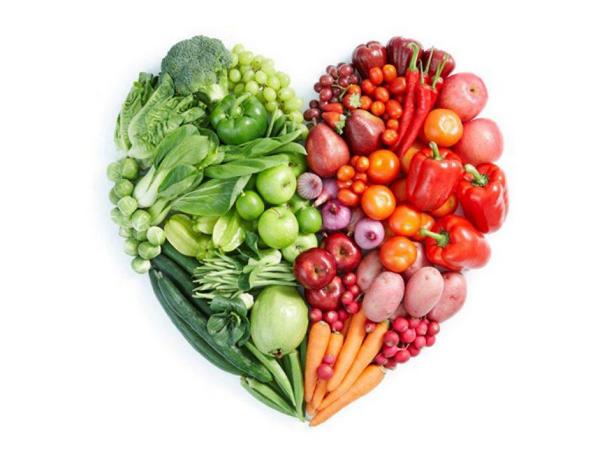
Eat fruits and vegetables
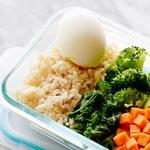
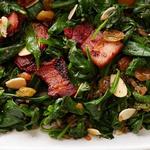
Fruits and vegetables not only contain many vitamins, minerals, and fiber, they're also low in calories and rich in antioxidants, which protect our cells from free radical damage. Adding these foods to your diet couldn't be easier. Add more vegetables to soups, salads, and sandwiches, and serve them with eggs, rice, and pasta. Snack on fresh fruit between meals. Visit your local farm store and find out what seasonal fruits and vegetables are available in your area.
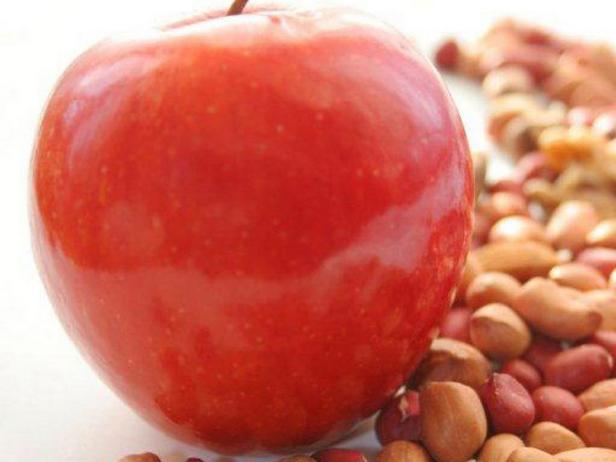
Pay attention to your fiber intake
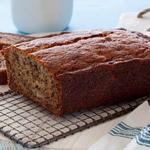
Fruits, vegetables, whole grains, nuts, and legumes (such as beans and lentils) are high in fiber. A high-fiber diet can help curb your appetite and keep your digestive system in check. Fiber also has additional benefits: insoluble fiber from nuts, whole grains, and seeds helps prevent constipation, while soluble fiber from foods like oatmeal, apples, nuts, and berries helps lower cholesterol. Aim for at least 25 grams of fiber each day.
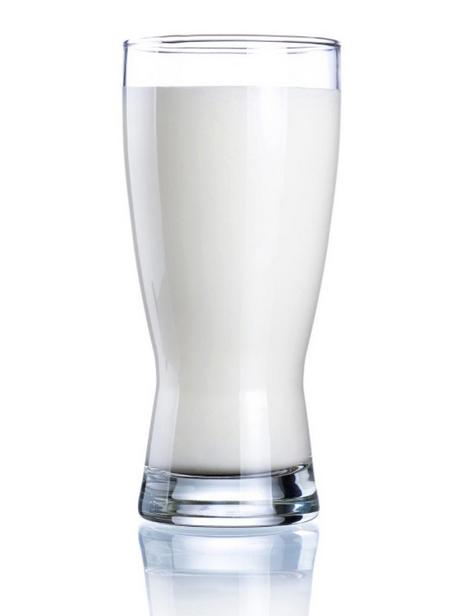
Try to love low-fat dairy products
Reduce your calorie intake and intake of artery-clogging fats high in saturated fatty acids. Replace full-fat dairy products such as whole milk, cheese, sour cream, and cream cheese with skim or 1% milk, low-fat yogurt, Neufchâtel cream cheese, and low-fat cheeses.
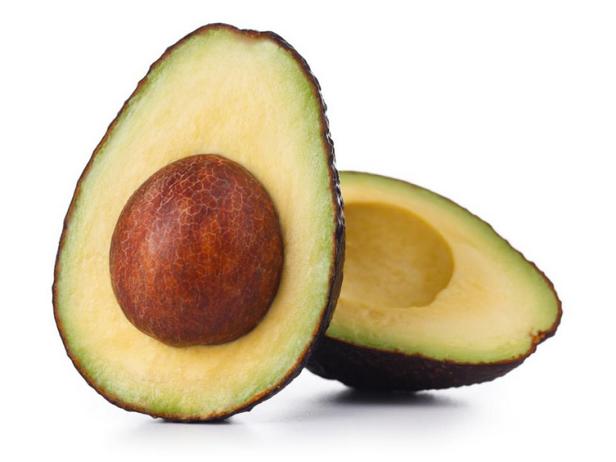
Include healthy fats in your diet
Reduce your intake of fats high in saturated fatty acids, such as those found in meat and full-fat dairy products. Avoid trans fats (hydrogenated oils), which are found in store-bought baked goods, snacks, and fried foods. Eat more foods rich in unsaturated fatty acids, such as olive and canola oils, nuts, avocados, nut butters, and olives. You don't have to avoid fats completely; simply choose healthy fats more often.
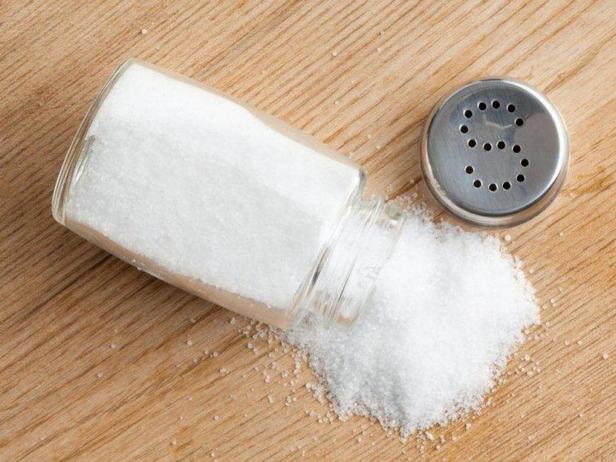
Reduce your salt intake
The daily sodium intake for a healthy adult is 2.3 grams—about 1 teaspoon of salt. Since excessive sodium consumption can contribute to high blood pressure and kidney disease, those with these conditions should consume 1.5 grams of salt per day (or even less). Unfortunately, many consume around 4.7 grams per day. Much of the sodium in their diet comes from processed foods, so preparing fresh foods at home can help you consume significantly less sodium. Use herbs and spices to enhance the flavor of your food, and always choose low-sodium versions of store-bought soups, broths, and sauces.
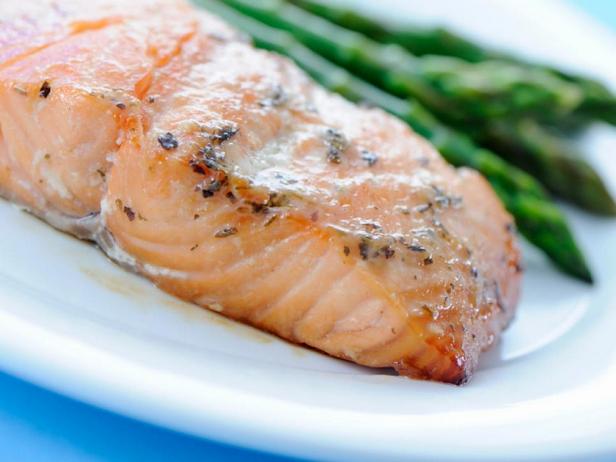
Choose omega-3 polyunsaturated fatty acids
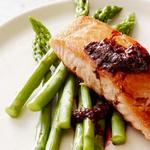
Studies have shown that omega-3 polyunsaturated fatty acids help lower triglyceride (blood fat) levels, maintain "good" cholesterol (HDL), and reduce the risk of sudden heart attack or stroke, as well as blood clots. The best sources of omega-3s are fatty fish, such as salmon, mackerel, herring, and shad, and plant-based foods, such as flaxseed and walnuts.

Move more
Excess weight and physical inactivity can put a significant strain on your heart and contribute to heart problems. Exercise is key to heart health and weight management, so aim for at least one 30-minute moderate workout per day. This will not only help you lose weight but also improve your HDL (good) cholesterol levels.

Have some wine
Studies have shown that the alcohol in wine, beer, and spirits can help protect the heart. Red and white wines also contain heart-healthy antioxidants. If you don't drink alcohol, don't start, but if you do, be sure to drink in moderation (maximum one glass per day for women and two for men).
Categories:
Similar recipes