Food additives in food products
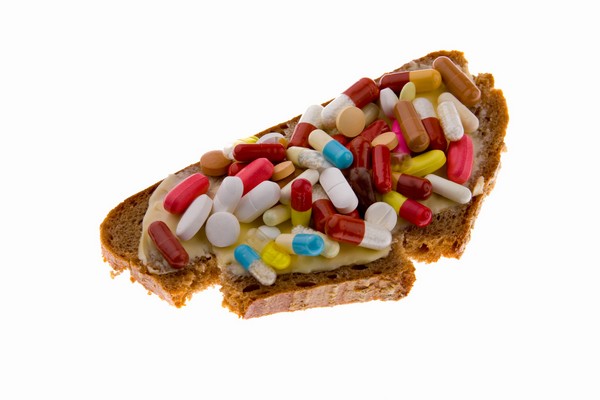
Recent studies on the side effects of dietary supplements have caused a stir around the world. Now everyone wants to know as much as possible about them.
Many of you like to read product labels before buying them. And rightly so. If you want to be healthy, watch what you eat. Not everyone wants the products they buy to contain excess sugar, fat, and other unhealthy ingredients. You've probably all seen food additives listed among the ingredients. What are they for? What are their benefits?
What are dietary supplements?
Food additives Food additives are products or chemicals added to foods to enhance flavor and color, as well as to improve shelf life. Both ascorbic acid, monosodium glutamate, and aspartame are food additives. All canned foods contain substances that promote shelf life. Despite certain benefits, food additives also have side effects. This issue is the subject of heated debate worldwide. The following information will help you learn more about additives.
Interesting facts about food additives
Many people claim that food additives are useless. This is far from true. As mentioned above, they prevent food from spoiling and improve its color, flavor, and aroma.
– All countries have strict regulations for the production of food additives, which means they are completely safe for human health and it is impossible to become poisoned by them.
– However, long-term use of products containing additives can lead to some serious diseases, such as cancer or heart disease.
– Food colorings contain coal tar, which is a carcinogen that causes cancer, so foods colored with artificial colors should be avoided.
Monosodium glutamate is found in almost all Chinese products, such as soy sauce and others. Although it serves to impart a distinctive "Chinese" flavor to foods, many people associate its consumption with chest pain, nausea, and cramps.
– Side effects of aspartame, sorbitol, nitrites, nitrates and many other additives include abdominal pain, headaches, nausea and vomiting.
Many children's foods also contain food additives to add color and flavor. Therefore, children who consume large amounts of candy and ice cream may suffer from hyperactivity.
The myth that all chemical additives must be harmful is unfounded. Products like salt, lemon, and sugar are also additives, but they don't have any side effects.
– Some people may be allergic to certain substances. After consuming certain foods, they may experience skin rashes, diarrhea, headaches, nausea, anxiety, and other symptoms.
– Some negative reactions to food consumption may not be caused by the presence of food additives, but by expired products. This is rare, but it does happen.
Most side effects are associated with long-term consumption of the same foods. This doesn't mean they should be banned. Simply consume processed and packaged foods in moderation, buy fresh fruits and vegetables, and cook at home instead of going to restaurants. Playing it safe upfront can help avoid various health problems later.
Votes: 1
Categories
Culinary articlesSimilar material

3-Ingredient Milkshake

Bone broth in a slow cooker

Homemade nut butter

Choose foods over supplements

White Hot Chocolate: 2 Recipes with Alcohol

Warm Hibiscus Punch

Crunchy cereal bars without cereal

Base for creamy dip

Vegan Creamy Broccoli Soup

Spicy Vegan Havarti Cheese with Herbs

Vegan Mac and Cheese

Vegan Parmesan

Overnight oats in a jar

Vegan Fettuccine Alfredo with Lemon

Best sources of plant-based protein

Teach Your Kids: 10 Healthy Eating Habits

Healthy popcorn with cheesy taco flavor

Coffee Cake: Preparation Options

Vegetable porridge with cauliflower and fried

Protein-butter cream on Swiss meringue
Foods containing vitamin D

Why is kosher cuisine in fashion?

How to save on groceries?

What to fill the refrigerator and freezer with?

The most expensive food products
The most useful vegetable oils, their types and

Prohibited foods
Persimmon - beneficial properties

How to get rid of insects in your pantry
Tannin in products

Tannin

Fruits for energy