Foods containing vitamin D
Vitamin D is essential for the body. To avoid a deficiency, you should eat foods that contain it. You'll learn about them in this article.
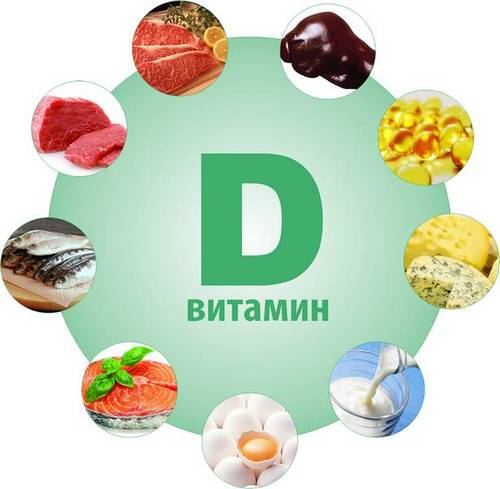
Vitamin D is fat-soluble. It is essential for the proper absorption of calcium in the digestive tract and helps maintain calcium and phosphate levels in the blood. A deficiency of this vitamin can lead to rickets in children and osteoporosis in adults.
The problem is that it is difficult to get the required amount of vitamin D from food, but the body produces it itself under the influence of ultraviolet rays from the sun.
To get enough vitamin D, just a few minutes of sun exposure each day is enough. However, if you live in an area where it's cloudy most of the year, you'll be deficient in this vitamin.
Doctors recommend taking 600 IU (international units) of vitamin D (15 mcg) daily. If you want to get it solely from food, finding foods containing vitamin D can be quite challenging, although they do exist. These include the following:
Maitake mushrooms
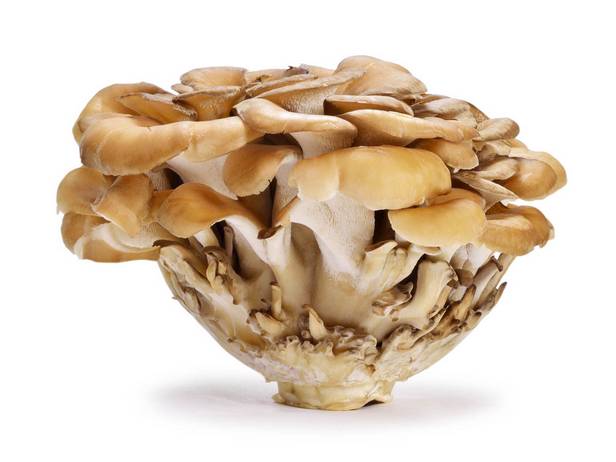
Maitake mushrooms are quite tasty and low in calories. A single mushroom, of course, doesn't contain much vitamin D. However, a whole cup of sliced mushrooms contains over 700 IU (17.5 mcg).
Besides this, these mushrooms contain potassium and vitamin B. Thanks to their nutritional value, maitake mushrooms are generally beneficial for health. If you can afford them, eat them often.
Halibut
A 100g serving of fish contains 250 IU (6.2 mcg) of vitamin D.
Halibut Halibut is also a good source of protein, B vitamins, zinc, magnesium, and potassium. Halibut also contains omega-3 fatty acids, which are very beneficial for the body.
Salmon
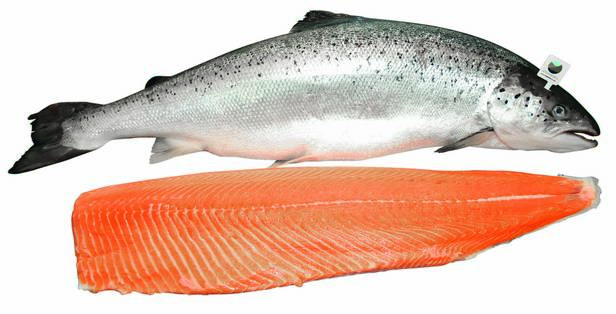
Fish oil contains a lot of vitamin D, and salmon has a particularly high fat content. 100 g of fresh pink salmon contains about 400 IU (10.0 mcg) of vitamin D, while sockeye salmon contains about 850 IU (21.2 mcg).
Salmon It's also an excellent source of omega-3 fatty acids, protein, and the antioxidant astaxanthin. Don't be afraid to eat fatty fish. A 170-gram piece of salmon contains only 200 calories.
Milk
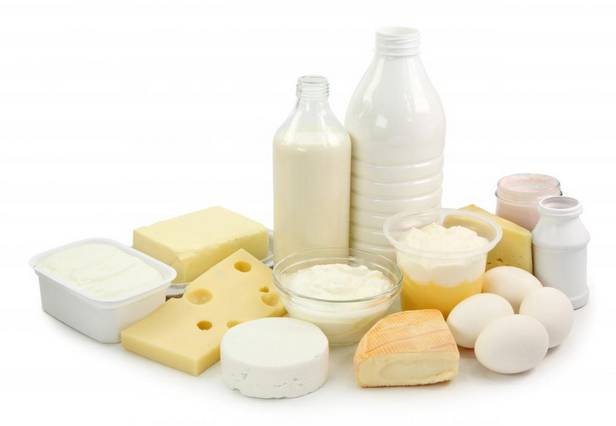
Cow's milk naturally contains little vitamin D, but in the US it is fortified with the vitamin during production.
One glass of milk contains about 125 IU (3.1 mcg) of vitamin D, as well as plenty of calcium, potassium and protein.
Milk substitutes, such as almond and soy milk, are also specifically fortified with vitamin D and calcium to maximize their benefits. They come unsweetened, sweetened, and flavored. These milks can be used in place of cow's milk, but their distinct flavors make them unsuitable for all foods.
Trout
Trout – is another good source of vitamin D. It has more tender flesh than salmon and tuna.
100 g of rainbow trout contains about 680 IU (17.0 mcg) of vitamin D, as well as a large amount of protein, minerals and B vitamins.
Eggs
Some people avoid egg yolks, believing they're high in fat and cholesterol. However, they contain vitamin D, so to get it, you need to eat the whole egg. One egg yolk contains about 40 IU (1.0 mcg) of vitamin D.
IN eggs It's also high in protein and lutein. One egg contains about 70 calories.
Chanterelle mushrooms
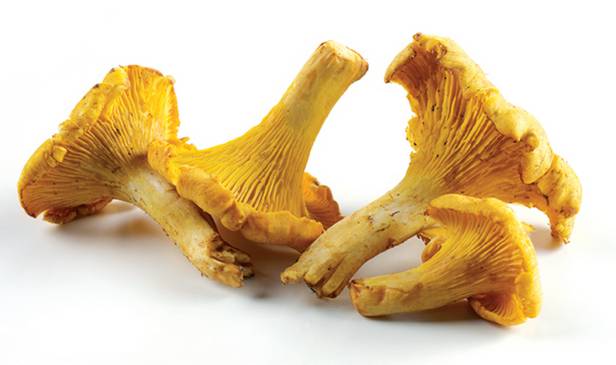
Chanterelles are a good source of plant-based vitamin D. One cup of these mushrooms contains about 100 IU (2.5 mcg) of this vitamin.
Chanterelles are high in potassium and low in calories – there are only 20 in one glass.
Canned tuna
A 100g serving of canned tuna contains about 60 IU (1.5 mcg) of vitamin D. One can contains 80 IU (2.0 mcg).
Canned tuna is rich in omega-3 fatty acids, potassium, magnesium, selenium, and zinc. It's great in salads, sandwiches, and many other dishes.
Food additives
Vitamin D is also sold as a dietary supplement. It can be found on its own or in combination with other nutrients. It is most often sold in combination with calcium. Vitamin D supplements are generally safe if used according to label directions. Supplements, like all medications, should be kept out of the reach of young children, as large amounts of vitamin D can be toxic to them. Before taking vitamin D supplements, consult your doctor, especially if you have any serious medical conditions.
The problem is that it is difficult to get the required amount of vitamin D from food, but the body produces it itself under the influence of ultraviolet rays from the sun.
To get enough vitamin D, just a few minutes of sun exposure each day is enough. However, if you live in an area where it's cloudy most of the year, you'll be deficient in this vitamin.
Doctors recommend taking 600 IU (international units) of vitamin D (15 mcg) daily. If you want to get it solely from food, finding foods containing vitamin D can be quite challenging, although they do exist. These include the following:
Maitake mushrooms
Maitake mushrooms are quite tasty and low in calories. A single mushroom, of course, doesn't contain much vitamin D. However, a whole cup of sliced mushrooms contains over 700 IU (17.5 mcg).
Besides this, these mushrooms contain potassium and vitamin B. Thanks to their nutritional value, maitake mushrooms are generally beneficial for health. If you can afford them, eat them often.
Halibut
A 100g serving of fish contains 250 IU (6.2 mcg) of vitamin D.
Halibut Halibut is also a good source of protein, B vitamins, zinc, magnesium, and potassium. Halibut also contains omega-3 fatty acids, which are very beneficial for the body.
Salmon
Fish oil contains a lot of vitamin D, and salmon has a particularly high fat content. 100 g of fresh pink salmon contains about 400 IU (10.0 mcg) of vitamin D, while sockeye salmon contains about 850 IU (21.2 mcg).
Salmon It's also an excellent source of omega-3 fatty acids, protein, and the antioxidant astaxanthin. Don't be afraid to eat fatty fish. A 170-gram piece of salmon contains only 200 calories.
Milk
Cow's milk naturally contains little vitamin D, but in the US it is fortified with the vitamin during production.
One glass of milk contains about 125 IU (3.1 mcg) of vitamin D, as well as plenty of calcium, potassium and protein.
Milk substitutes, such as almond and soy milk, are also specifically fortified with vitamin D and calcium to maximize their benefits. They come unsweetened, sweetened, and flavored. These milks can be used in place of cow's milk, but their distinct flavors make them unsuitable for all foods.
Trout
Trout – is another good source of vitamin D. It has more tender flesh than salmon and tuna.
100 g of rainbow trout contains about 680 IU (17.0 mcg) of vitamin D, as well as a large amount of protein, minerals and B vitamins.
Eggs
Some people avoid egg yolks, believing they're high in fat and cholesterol. However, they contain vitamin D, so to get it, you need to eat the whole egg. One egg yolk contains about 40 IU (1.0 mcg) of vitamin D.
IN eggs It's also high in protein and lutein. One egg contains about 70 calories.
Chanterelle mushrooms
Chanterelles are a good source of plant-based vitamin D. One cup of these mushrooms contains about 100 IU (2.5 mcg) of this vitamin.
Chanterelles are high in potassium and low in calories – there are only 20 in one glass.
Canned tuna
A 100g serving of canned tuna contains about 60 IU (1.5 mcg) of vitamin D. One can contains 80 IU (2.0 mcg).
Canned tuna is rich in omega-3 fatty acids, potassium, magnesium, selenium, and zinc. It's great in salads, sandwiches, and many other dishes.
Food additives
Vitamin D is also sold as a dietary supplement. It can be found on its own or in combination with other nutrients. It is most often sold in combination with calcium. Vitamin D supplements are generally safe if used according to label directions. Supplements, like all medications, should be kept out of the reach of young children, as large amounts of vitamin D can be toxic to them. Before taking vitamin D supplements, consult your doctor, especially if you have any serious medical conditions.
Author of the article: Natalia Semenova "TopCook"
Votes: 1
Categories:
Related articles