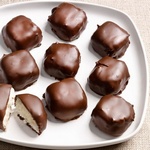
Coconut products, composition, replacement
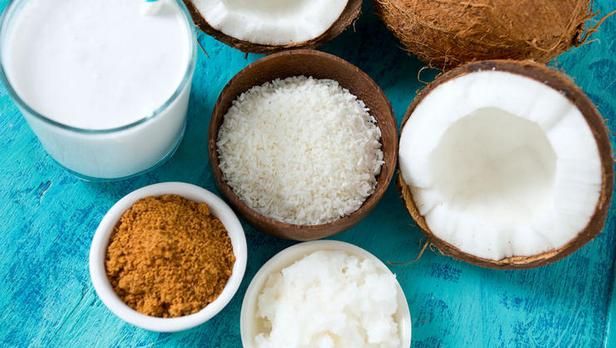
An opened coconut contains coconut water and white flesh. Water is an almost clear juice, and the flesh is often called meat. Coconut milk and cream are produced from the coconut flesh.
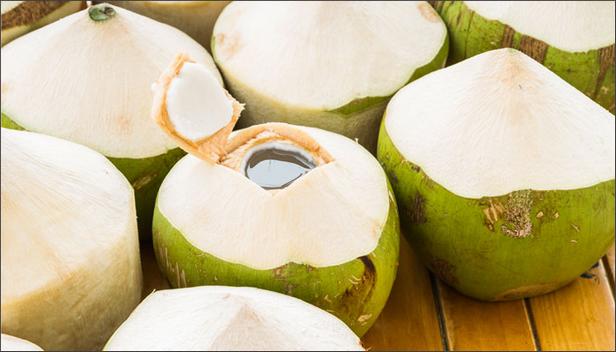
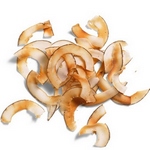
To obtain milk and cream, coconut meat is crushed, and then the juice is separated from the pulp by pressing. Once the coconut meat is dried and free of liquid, producers grind it into coconut flakesWater is usually added to the pulp before pressing. Afterward, the liquid separates into a richer cream and a lower-fat milk. Products with a lower fat content contain more water. Coconut cream and coconut milk can be homogenized: the fat globules are broken into small particles for more even distribution. Homogenized products have a soft texture and do not separate. Stabilizers and thickeners are sometimes added to the finished product.
Nutritional value of coconut
The main nutrient in coconut cream - fat, which means they can be quite heavy in terms of calories.
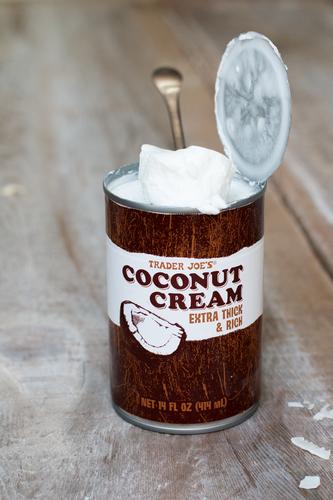
Coconut cream can contain from 190 to 290 kcal, and coconut milk from 180 to 240 kcal per 100 ml.
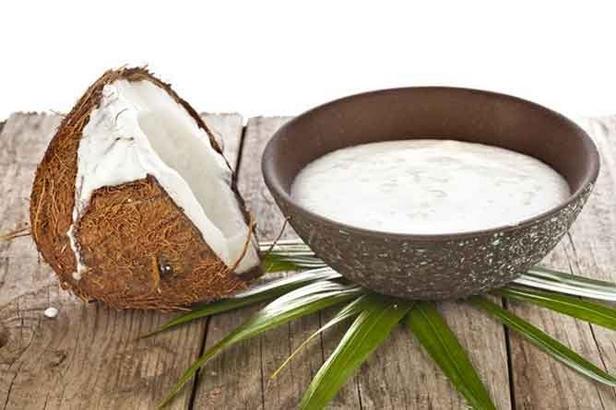
The amount of fat in different brands varies widely (from 14 to 29 percent). Fat-free varieties are also available, but be aware that these may be a marketing ploy, so check the nutrition facts on the packaging.
Some products may have reduced fat content due to differences in the amount of water added. In these varieties of coconut milk and coconut cream, this figure ranges from 7 to 17 percent.
It is also worth noting that coconut cream Some brands may also contain reduced fat.
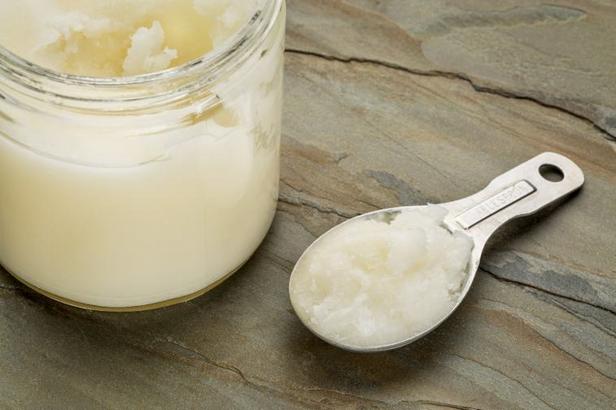
Coconut milk and coconut cream are very high in saturated fat: 60-93% of the total fat in the products studied was saturated fat. Current dietary guidelines recommend limiting saturated fat intake to reduce the risk of cardiovascular disease.
The scientific community, however, remains divided on whether the saturated fats in coconut products are harmful to humans. This is because different saturated fats have different effects on cholesterol levels. The fats found in coconut oil, milk, and cream contain very high levels of lauric acid, which increases not only LDL (bad) cholesterol but also HDL (good) cholesterol. This means that lauric acid does not alter the total cholesterol ratio, which is the most important indicator for assessing the risk of heart disease.
While scientists continue to debate the harm of specific saturated fats, caution is advised. It's well known that excess fat, especially in the belly area, isn't very good for our health. So, while coconut milk or coconut cream can be a pleasant part of our diet, it's best to consume them in moderation.
Alternatives
If you're looking for a coconut flavor but don't have coconut milk in your pantry, coconut-flavored, low-fat condensed milk is a great alternative. It's lower in calories than most commercial coconut milks and has very little fat. Its energy comes primarily from the naturally occurring lactose. Plain, low-fat condensed milk with a few drops of coconut essence is also a simple alternative.
Adviсe:
- If your goal is energy, we recommend choosing coconut milk over full-fat cream or low-fat versions of the product;
- If the canned coconut milk you buy has a little more fat and calories than you need, you can reduce the amount of these ingredients yourself by simply adding water to the drink and mixing everything well;
There's no need to use the entire jar at once. Leftover coconut milk can be placed in an airtight container and stored in the refrigerator for several days. Another way to preserve freshness is to simply freeze it. After defrosting, the milk will have a slightly grainy texture, making it unsuitable for some dishes.
- You can use coconut-flavored condensed milk instead of coconut milk or cream in recipes. Be careful not to overheat it, as it changes consistency when boiled.
Article author: TopCook
All recipes with coconut meat and water
Categories:
Related articles