Products for maintaining water balance
Obviously, drinking water is essential for optimal hydration. But you can also get it from food. Choose foods with a high water content, such as cucumbers, lettuce, or watermelon.
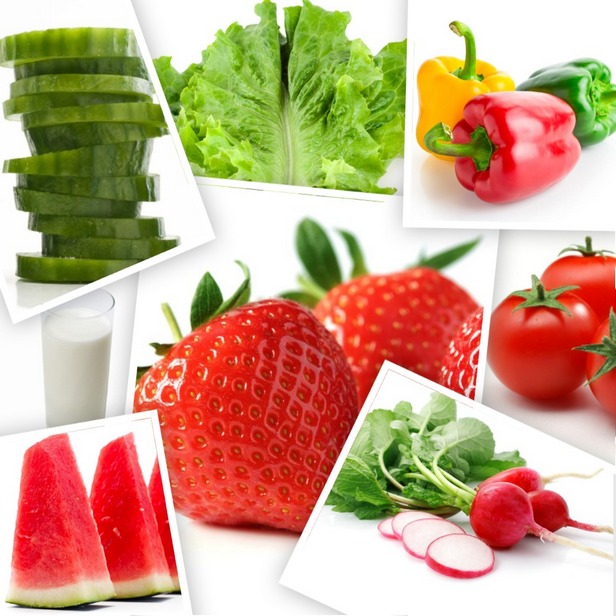
Obviously, drinking water is essential for optimal hydration. But you can also get it from food. Choose foods with a high water content, such as cucumbers, lettuce, or watermelon.
Lettuce
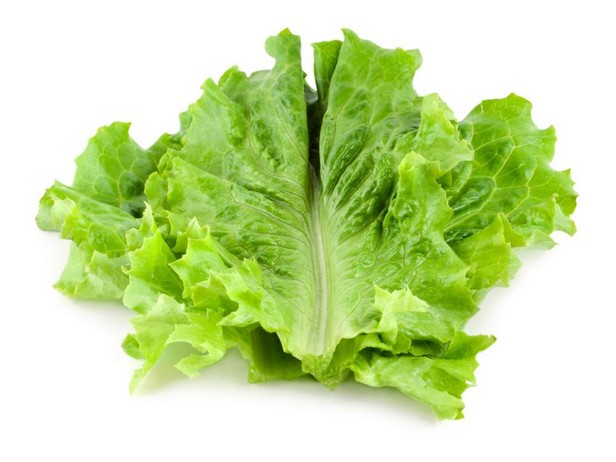
Iceberg lettuce isn't particularly popular due to its low nutrient content. This is partly because it has more water than any other food (96%). However, other types of lettuce, such as iceberg lettuce and romaine lettuce, also contain a fair amount of water and are higher in vitamin A (1 tablespoon contains 80% of the daily value). To improve the absorption of fat-soluble vitamin A, add olive oil-based salad dressings.
Cucumbers
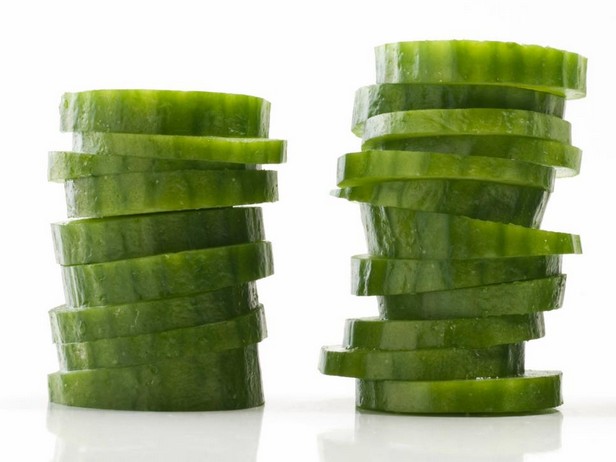
Crisp cucumbers are one of the best foods for maintaining hydration, containing 95% water. They're also a source of phytonutrients that help protect the body from inflammation and cancer. Cucumbers also contain caffeic acid, a compound that can protect the skin from wrinkle-causing UVB rays.
Tomatoes
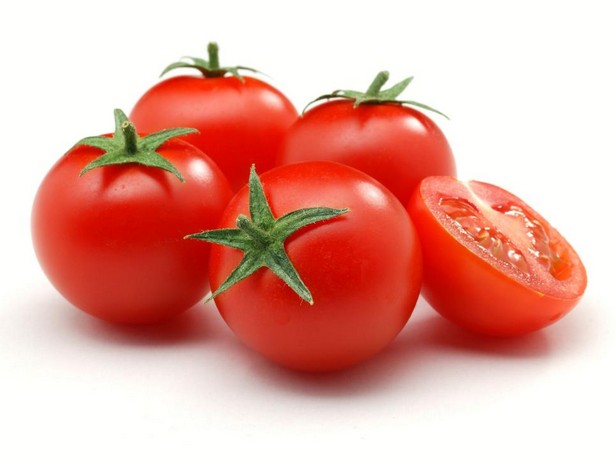
Juicy tomatoes are 94% water. They also contain lycopene (a heart-healthy antioxidant), skin-soothing vitamin C, potassium, and many other nutrients. A nice bonus: tomatoes are low in calories (30 kcal per cup).
Skim milk
It's probably obvious that milk is a great hydrating drink (it's 91% water). But you might be surprised to learn that thanks to its unique combination of nutrients (not just water, but protein and sodium), several studies have shown that milk is excellent for post-workout recovery.
Watermelon
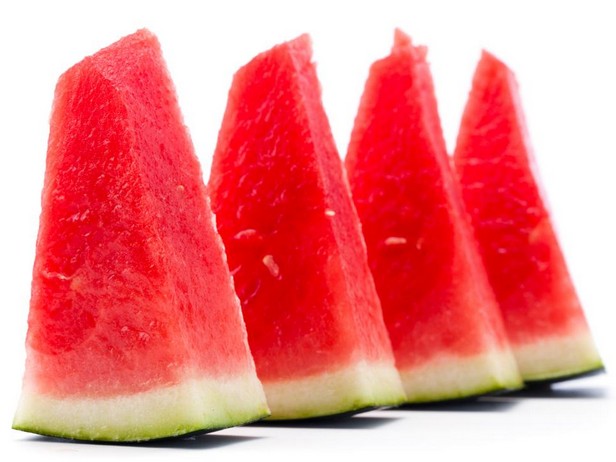
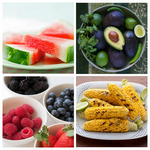
It's no wonder watermelon is so beneficial for hydration (it's 92% water). And its pink-red color indicates it's another excellent source of lycopene. Since lycopene is more easily absorbed with fat, try a sweet and savory watermelon salad with halloumi cheese.
Strawberry
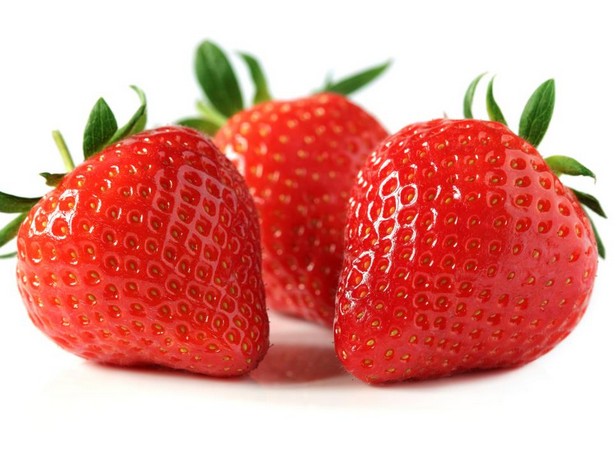
Juicy berries (91% water) rival oranges in vitamin C content (1 tablespoon contains more than the daily value) and also provide fiber—3 grams per cup. Use fresh strawberries in Tyler Florence's refreshing summer dessert: Mango Strawberry Ice Pops.
Cabbage
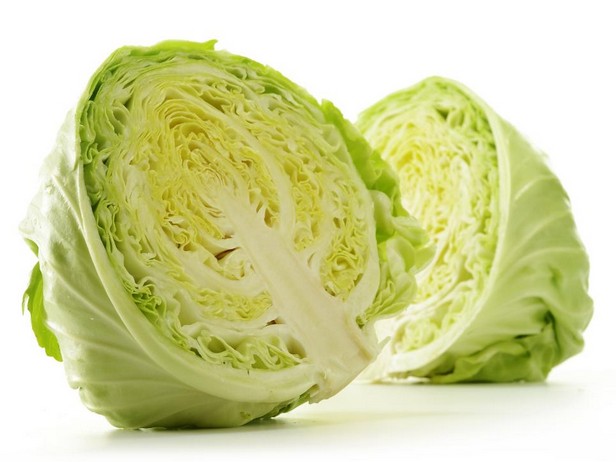
Cabbage (91% water) is an excellent source of vitamins C and K (which regulate blood clotting). As a member of the cruciferous vegetable family, cabbage also contains substances that may protect against cancer. Try Ellie Krieger's kale salad with caraway seeds: it's lower in calories than the classic picnic dish.
Bell pepper
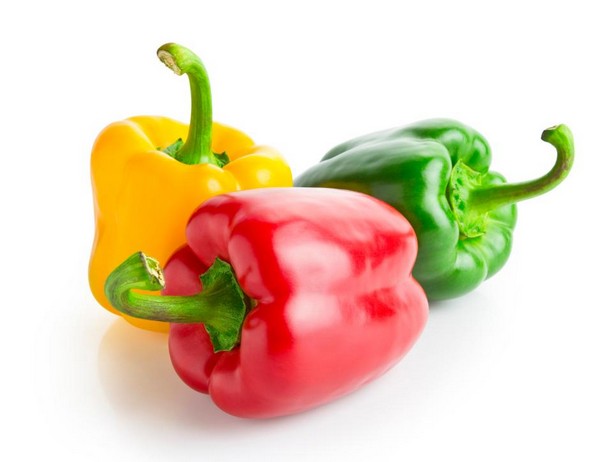
You've probably already seen that the crunchiest vegetables often contain the most water. Bell peppers are no exception (94% water). Red, yellow, orange, and green peppers each have a different set of phytochemicals, but they share some common elements. Peppers are surprisingly high in vitamin C (just 1 cup provides double the daily value), and 1 cup contains 3 grams of fiber.
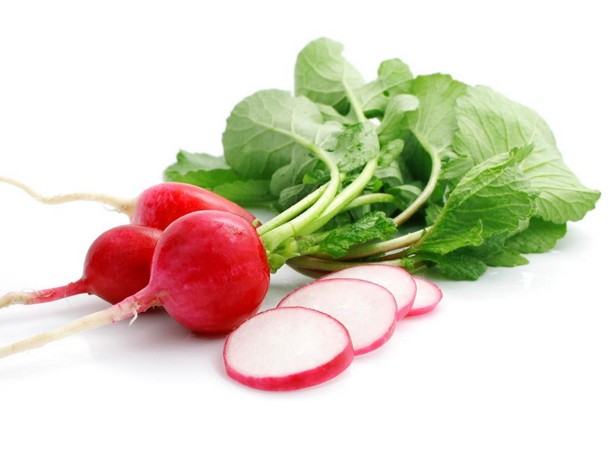
Bitter radishes are very crunchy due to their high water content (95%). Each radish contains only 1 calorie (which is perhaps why they're so often eaten with bread and butter; The Barefoot Countess suggests a recipe for this). Like cruciferous vegetables (such as broccoli and kale), radishes are rich in antioxidants and phytochemicals, which may protect against certain types of cancer.
Votes: 1
Categories:
Related articles