Types of food packaging and containers
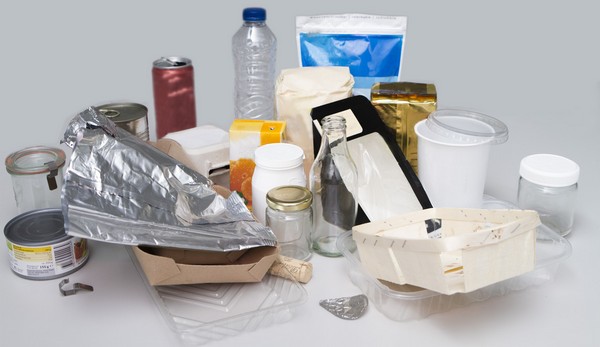
Why should food always be packaged? What packaging methods are available? Find out the answers to these questions in our article.
The food we eat should always be fresh and safe. If products are improperly packaged, they can spoil prematurely, leading to financial losses for their producers and potentially harming the health of consumers. Each type of food has its own packaging.
Food products are packaged in jars and boxes made of glass, aluminum, plastic, metal, and cardboard. Let's take a closer look at each of these materials.
1. Glass.
Glass jars and bottles are primarily used for storing liquids and sauces. They typically have airtight lids and can be stored for quite a long time before opening. Refrigeration is not necessary. While glass can break, if handled with care, it will last a lifetime. Glass jars are also a good way to store leftovers you plan to eat later and then store in the refrigerator. Another advantage of this type of container is that you can easily see the contents from the outside without opening the lid. However, dark glass containers also exist. These are most often used for storing vegetable oils. This is to protect the oil from exposure to sunlight.
2. Aluminum.
You all know that aluminum foil helps keep food fresh and warm for a long time. Aluminum boxes and containers are great because they're inexpensive and can be recycled. However, if the main material of aluminum packaging is metal, it's impossible to recycle such containers. Pure aluminum, however, can be recycled over and over again. Aluminum cans are great for storing various soft drinks, beer, and juices.
3. Plastic.
This is one of the most common materials used for food packaging. It's used to make a wide variety of boxes, containers, buckets, basins, baskets, bags, and more. Plastic buckets are great for storing bulk goods such as wheat, cereals, sugar, and rice. Plastic is also used to make cling film. Plastic bags are also very popular these days. They come in a variety of sizes, from large to very small, and can easily be slipped into a pocket and reused. Food stays fresh in plastic bags, especially in the refrigerator. Some bags even allow temperature control, preventing premature spoilage. Plastic containers are also excellent. However, there are some drawbacks to storing food in them. The problem is that their walls still allow oxygen to pass through. To prevent this, plastic containers are sometimes lined with metal to extend the shelf life of the food.
4. Metal.
Metal cans and containers are used to store canned fruits and vegetables. Their interiors have a special coating that prevents the metal from reacting with the contents, even when heated.
5. Paper and cardboard.
Cardboard and paper boxes and bags are used to store various snacks, nuts, and spices. This packaging is environmentally friendly, as it is made from wood pulp. They also store dried foods well. Paper and cardboard packaging can come in a variety of colors.
Votes: 1
Categories
Culinary articlesSimilar material

Neapolitan Cookie Ice Cream Cake

Fried Lima Beans with Bacon

Talking Heart Cake
Chocolate Cherry Cheesecake in a Box

Snack cheese log with herbs and nuts
Pickled cucumbers

Tall layered ice cream cake
Red Velvet Cake with Nuts
Goat cheese sprinkled with dill

Stuffed Artichoke Casserole
Types of tofu and how to cook it
Crispy Witch Hat Treat

Orange and Lemon Slice Jelly
Pumpkin Spice Bundt Cake with Citrus Frosting

Types of bacon
Different types of meat. Have you tried them all?

Chocolate-Dipped Strawberry Cake
Thick-walled pots and cast iron, types and
Chinese tea, types and origins
Types of cheese

The most useful vegetable oils, their types and
Leaf lettuce
How to get rid of insects in your pantry
Buckwheat honey

Sage
Tuna: Types, How to Choose, Store, and Cook
Tomato: varieties, types and culinary uses

Yogurt: Types, Storage, and Culinary Uses
Butter: types, storage, and use

How to choose wine
Frying pans and their types

How to cook a steak? We fry the meat correctly, and