Frying pans and their types
Choosing a frying pan for your kitchen is crucial. Culinary technology is constantly evolving, and new pans are now available on the market that are easier to cook with and easier to clean. However, traditional cast iron cookware remains just as popular and beloved by home cooks.
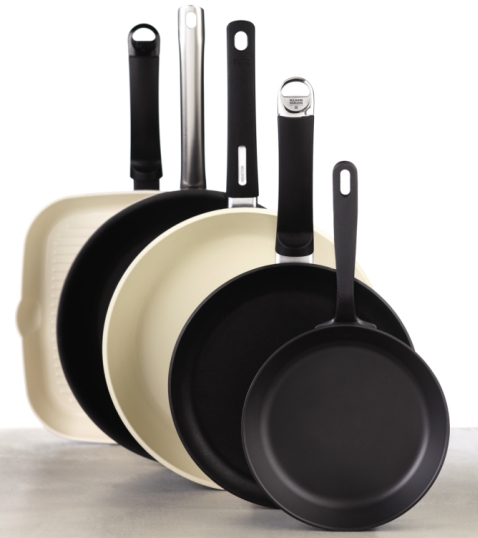
Choosing a frying pan for your kitchen is crucial. Culinary technology is constantly evolving, and new pans are now available on the market that are easier to cook with and easier to clean. However, traditional cast iron cookware remains just as popular and beloved by home cooks.
Non-stick frying pans
 These wonderful pans are ideal for both professional and amateur cooks. The non-stick coating allows food residue to be easily removed during cleaning. But the biggest advantage is that they require minimal oil or fat during cooking, which is undoubtedly very healthy. A significant drawback is that the non-stick coating is easily damaged when stirring food with metal spatulas or spoons. This coating also wears off with regular washing in the dishwasher.
The coating on non-stick pans is a chemical called Teflon, or fluoroplastic. There are many conflicting opinions about whether using such cookware for cooking is harmful. However, a 2007 study in Psychology Today magazine found that this coating poses no harm to the human body.
Frying pans without non-stick coating
 Despite evidence that non-stick cookware poses no health risks, environmentalists nonetheless advise avoiding these items when cooking. Uncoated pans are much more expensive, but they also last longer. Furthermore, food heats better because there's no barrier between the pan and the heat source, such as a non-stick coating. The downside of these pans is that they are more difficult to clean. Such pans and pans are made of copper, tempered glass, and even porcelain.
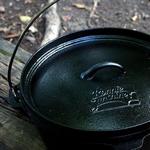
Cast iron frying pans
 Familiar to everyone from childhood, cast iron skillets are typically very heavy and retain heat for a long time after cooking. Although they are difficult to clean, a major advantage is that they heat up well. Furthermore, using cast iron skillets is beneficial for those suffering from iron deficiency. Recent studies have shown that the use of non-stick baking pans and frying pans has led to an increase in the number of people suffering from iron deficiency. And the biggest advantage of cast iron skillets is their durability. They can last up to 70 years or more. Grandmothers often pass them down to their granddaughters as a lasting memory.
Non-stick frying pans
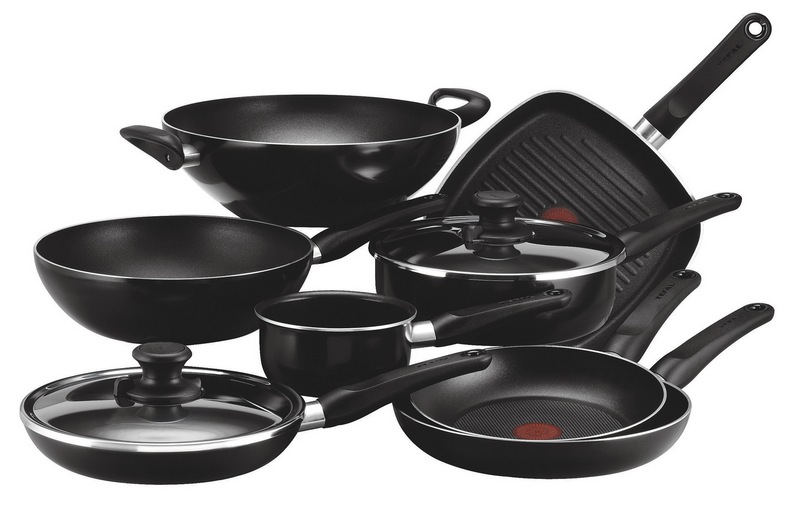 These wonderful pans are ideal for both professional and amateur cooks. The non-stick coating allows food residue to be easily removed during cleaning. But the biggest advantage is that they require minimal oil or fat during cooking, which is undoubtedly very healthy. A significant drawback is that the non-stick coating is easily damaged when stirring food with metal spatulas or spoons. This coating also wears off with regular washing in the dishwasher.
The coating on non-stick pans is a chemical called Teflon, or fluoroplastic. There are many conflicting opinions about whether using such cookware for cooking is harmful. However, a 2007 study in Psychology Today magazine found that this coating poses no harm to the human body.
Frying pans without non-stick coating
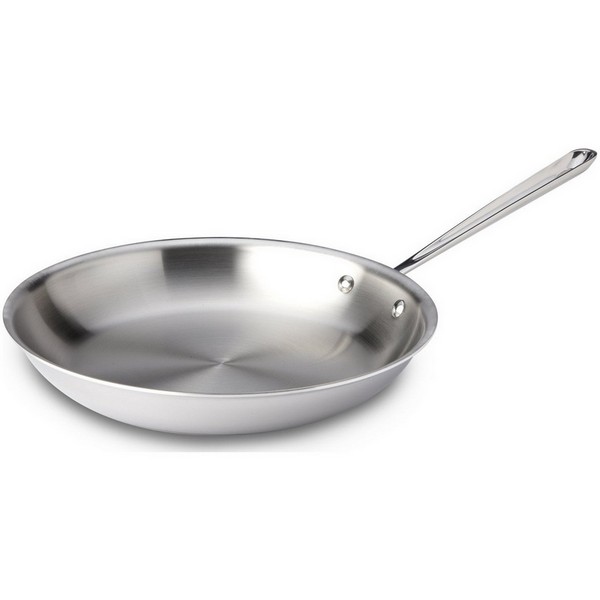 Despite evidence that non-stick cookware poses no health risks, environmentalists nonetheless advise avoiding these items when cooking. Uncoated pans are much more expensive, but they also last longer. Furthermore, food heats better because there's no barrier between the pan and the heat source, such as a non-stick coating. The downside of these pans is that they are more difficult to clean. Such pans and pans are made of copper, tempered glass, and even porcelain.
Cast iron frying pans
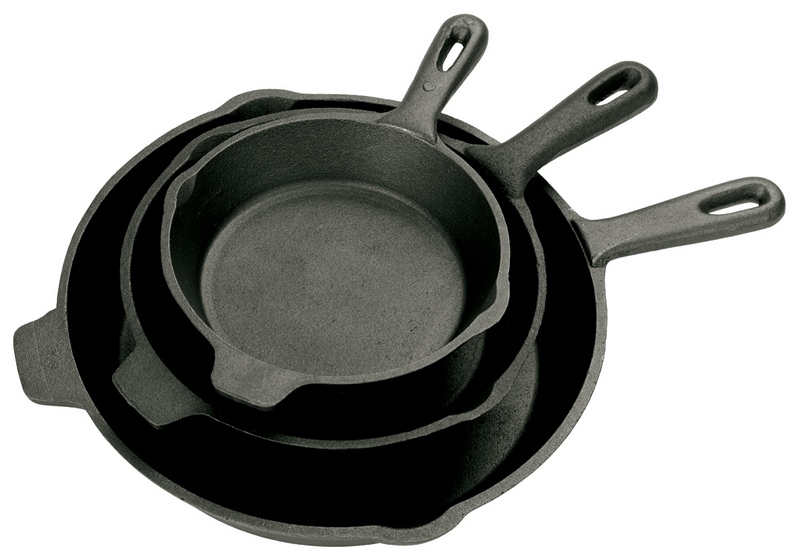 Familiar to everyone from childhood, cast iron skillets are typically very heavy and retain heat for a long time after cooking. Although they are difficult to clean, a major advantage is that they heat up well. Furthermore, using cast iron skillets is beneficial for those suffering from iron deficiency. Recent studies have shown that the use of non-stick baking pans and frying pans has led to an increase in the number of people suffering from iron deficiency. And the biggest advantage of cast iron skillets is their durability. They can last up to 70 years or more. Grandmothers often pass them down to their granddaughters as a lasting memory.
Votes: 1
Categories:
Related articles