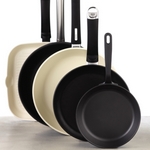
Thick-walled pots and cast iron: types and uses in cooking
This article will tell you about the different types of cast iron and thick-walled pots, as well as the dishes that cook best in them.
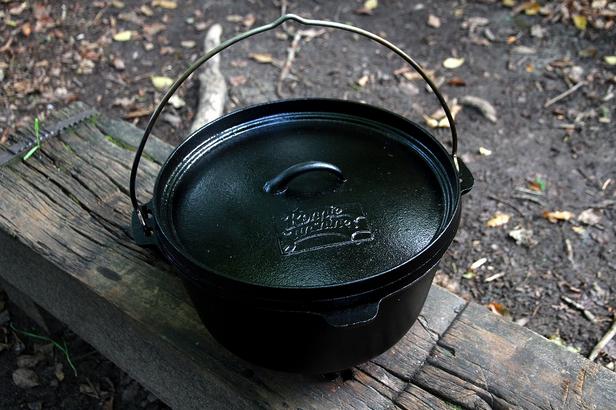
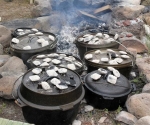
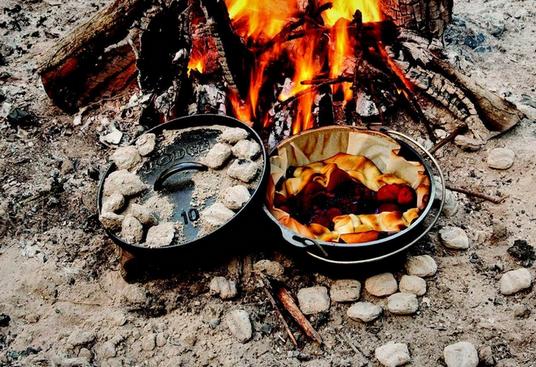
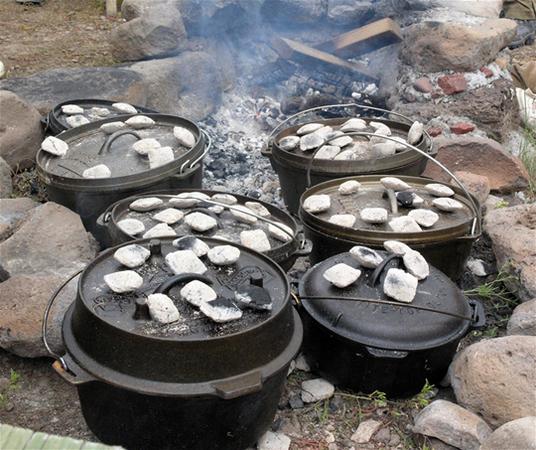
Experienced cooks understand the value of a thick-walled pot with a tight-fitting lid. These pots are made of metal or ceramic. They resemble cast iron pots, and are sometimes even called cast iron. They can be placed on the stovetop and used for cooking, just like regular pots. However, some models allow you to place smoldering coals on the lid, which cooks food slightly differently—the heat from the coals is distributed evenly throughout the pot, resulting in exceptionally well-cooked and delicious dishes.
Thick-walled pots were first produced in the United States, although similar cookware was used in other cultures long before the United States. Initially, American cast iron pots had legs on which they were placed over a fire or coals. Sometimes coals were also placed on the pot lid.
Cast iron pots have always been used in Russia, but for some reason many now consider them outdated cookware and practically never use them.
How are modern cast irons used?
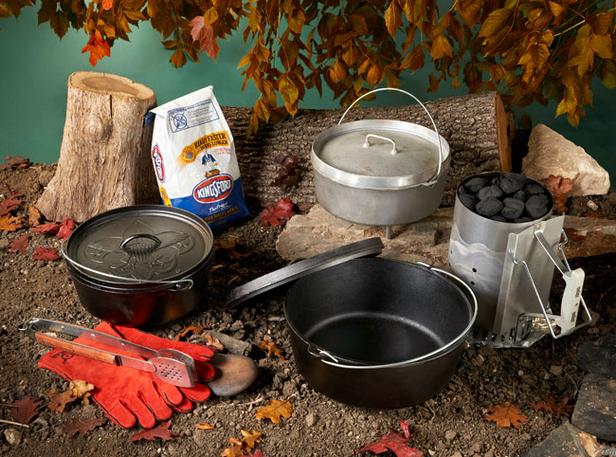
These days, thick-walled cast iron pots are used for cooking on gas or electric stoves, in ovens, or wood-burning stoves. Thick metal or ceramic walls can easily withstand a wide range of temperatures and are suitable for a variety of cooking methods. And you can cook almost anything in a thick-walled saucepan with a lid, including:
1. Soups and stewsThe thick walls of the cookware allow the food to simmer for a long time. This long cooking time is necessary if you are preparing stewed meat, beans, or some other types of soups.
2. BakingCasseroles can also be made in a cast iron pot. The oven-safe lid helps retain moisture, preventing the dish from drying out during long cooking times. This makes a thick-walled pot ideal for making meat and vegetable casseroles.
3. FryingIn cast iron, the oil heats evenly across the entire bottom surface, which is very convenient for frying, as you can roughly estimate the temperature throughout the entire pan. However, enameled cast iron pans are not suitable for this purpose because they do not withstand the high temperatures required for deep frying. If you buy such cookware, read the manufacturer's instructions to determine what can and cannot be cooked in it.
4. Baking breadIn cast iron it is possible oven and bread, as well as other baked goods. Because cast iron distributes heat in a unique way, bread turns out especially delicious. Pizza also turns out delicious.
5. RoastThe meat and spices can be pre-fried in a frying pan, then added to the saucepan and fried until done.
Types of cast iron
Modern cast iron and thick-walled pots for cooking in the oven and over coals are divided into two main types: cast iron and enameled. Each type has its own advantages and disadvantages.
– Cast iron pots. Cast iron is a good conductor of heat, making it an excellent material for making various cookware. The metal can withstand very high temperatures without deteriorating, making it suitable for a wide variety of purposes. To avoid damage to cast iron, it must be cared for properly and cleaned with special products. If done correctly, cast iron cookware will last for centuries. Cast iron pots and cauldrons are commonly used for picnics because they can be suspended directly over the fire.
Enameled cast iron pans are typically made of ceramic, cast iron, or aluminum. This type of cookware also distributes heat well and can be used for a wide variety of dishes. Cleaning an enameled pan doesn't require any special cleaning products. However, enamel doesn't handle very high temperatures well, so before using it in the oven or over an open flame, carefully read the manufacturer's instructions to determine whether it's safe to cook in such a pan.
When purchasing cast iron or a heavy-walled pot with a lid, make sure it comes with instructions for use and care. If not, ask the seller for the necessary information.
Thick-walled pots were first produced in the United States, although similar cookware was used in other cultures long before the United States. Initially, American cast iron pots had legs on which they were placed over a fire or coals. Sometimes coals were also placed on the pot lid.
Cast iron pots have always been used in Russia, but for some reason many now consider them outdated cookware and practically never use them.
How are modern cast irons used?
These days, thick-walled cast iron pots are used for cooking on gas or electric stoves, in ovens, or wood-burning stoves. Thick metal or ceramic walls can easily withstand a wide range of temperatures and are suitable for a variety of cooking methods. And you can cook almost anything in a thick-walled saucepan with a lid, including:
1. Soups and stewsThe thick walls of the cookware allow the food to simmer for a long time. This long cooking time is necessary if you are preparing stewed meat, beans, or some other types of soups.
2. BakingCasseroles can also be made in a cast iron pot. The oven-safe lid helps retain moisture, preventing the dish from drying out during long cooking times. This makes a thick-walled pot ideal for making meat and vegetable casseroles.
3. FryingIn cast iron, the oil heats evenly across the entire bottom surface, which is very convenient for frying, as you can roughly estimate the temperature throughout the entire pan. However, enameled cast iron pans are not suitable for this purpose because they do not withstand the high temperatures required for deep frying. If you buy such cookware, read the manufacturer's instructions to determine what can and cannot be cooked in it.
4. Baking breadIn cast iron it is possible oven and bread, as well as other baked goods. Because cast iron distributes heat in a unique way, bread turns out especially delicious. Pizza also turns out delicious.
5. RoastThe meat and spices can be pre-fried in a frying pan, then added to the saucepan and fried until done.
Types of cast iron
Modern cast iron and thick-walled pots for cooking in the oven and over coals are divided into two main types: cast iron and enameled. Each type has its own advantages and disadvantages.
– Cast iron pots. Cast iron is a good conductor of heat, making it an excellent material for making various cookware. The metal can withstand very high temperatures without deteriorating, making it suitable for a wide variety of purposes. To avoid damage to cast iron, it must be cared for properly and cleaned with special products. If done correctly, cast iron cookware will last for centuries. Cast iron pots and cauldrons are commonly used for picnics because they can be suspended directly over the fire.
Enameled cast iron pans are typically made of ceramic, cast iron, or aluminum. This type of cookware also distributes heat well and can be used for a wide variety of dishes. Cleaning an enameled pan doesn't require any special cleaning products. However, enamel doesn't handle very high temperatures well, so before using it in the oven or over an open flame, carefully read the manufacturer's instructions to determine whether it's safe to cook in such a pan.
When purchasing cast iron or a heavy-walled pot with a lid, make sure it comes with instructions for use and care. If not, ask the seller for the necessary information.
Author of the article: Natalia Semenova "TopCook"
Votes: 1
Categories:
Related articles