Yogurt: Types, Storage, and Culinary Uses
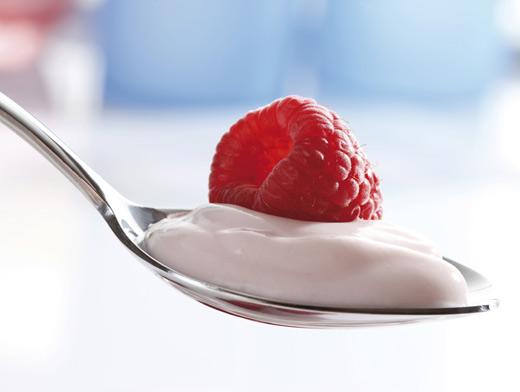
Yogurt is a product made by adding certain types of beneficial bacteria to milk, which causes the milk to ferment, thicken, and develop a distinctive flavor. Yogurt is typically made from cow's milk, but it can also be made from goat's, sheep's, and buffalo milk.
Most yogurts are called "live." This means they contain live bacteria similar to those found in the gastrointestinal tract. When they enter the body, they suppress the activity of harmful bacteria.
Which yogurt should you choose?
There are several types of yogurt.
"Live" yogurt, as mentioned above, contains live bacteria. It typically has a thick, creamy texture and a fresh, light taste.
Bio-yogurt differs from "live" yogurt in that it contains a higher proportion of bacteria that are compatible with those naturally found in the human body. This yogurt has a particularly mild flavor and a smooth texture.
Greek yogurt is made from cow's or sheep's milk. It contains a fairly large amount of whey, making it thick and delicious. True, it contains much more fat than other yogurts (about 10.2%), but this fat is not as harmful as that found in cream.
Set yogurt can be stored in the same container it was purchased in. This makes it very thick, although it still has a traditional creamy texture.
There are yogurts made with whole milk, and there are also fat-free ones. The fat content of the latter does not exceed 2%.
Long-life yogurts are pasteurized. This product can indeed be stored for quite a long time. However, pasteurization isn't such a beneficial process. It kills all the beneficial bacteria in the yogurt.
Yogurts can be sold without or with fillers. Fillers can be natural or artificial. Natural ones include sugar and pieces of fresh fruit, while artificial ones include various flavors, additives, and thickeners. Some yogurts contain thickeners. gelatin, making them unsuitable for vegetarians. Therefore, if you follow a vegetarian diet, carefully read the information on labels and packages when buying yogurt.
There are also drinking yoghurts, they are convenient for snacks, as they can be easily taken with you and consumed anywhere you are.
Culinary uses
Yogurts are usually sold ready-to-use. If you plan to use yogurt in any dishes, remove it from the refrigerator beforehand. This allows it time to warm to room temperature and avoid the shock of the temperature difference, which can cause curdling. When adding yogurt to a dish, add it gradually, spoon by spoon. Full-fat yogurt is more stable and better suited for cooking.
If you still want to cook with low-calorie yogurt, since it has a thinner consistency, you should pre-prepare it to make it more stable. To do this, mix 1/2 teaspoon of corn or wheat flour with 1 teaspoon of water. Stir this mixture into the yogurt before adding it to the dish.
Yogurt can be used in a variety of sweet and savory dishes, sauces, salad dressings, marinades, fruit salads, and baked goods. Greek yogurt goes well with cornflakes, toasted almonds, and honey.
When preparing dishes, yogurt can be replaced with soft cottage cheese.
Storage
It's recommended to store yogurt in an airtight container, preferably the one you bought it in. Refrigerate for no more than 4 days or until the expiration date printed on the packaging. After this period, the yogurt will become more tart. Long-life yogurts can last much longer than "fresh" yogurts. Again, check the packaging for expiration dates.
All recipes with yogurt
Categories
Culinary Encyclopedia / Milk and dairy productsSimilar material

Greek yogurt

Frozen Berry Banana Smoothie

Bay leaf - culinary uses

Thick-walled pots and cast iron, types and

Turnips, purchase and storage

Citrus yogurt with figs

Homemade yogurt

The most useful vegetable oils, their types and
Leaf lettuce

Lemon

Lime
Lemongrass
Milk

Zucchini
Onions, how to choose, store and

Oregano

Pumpkin - how to choose, store and use in
Potatoes - How to Buy, Store, and Use
Pecans in cooking

Parsnip

Sage

Tarragon, selection, storage and use in
Tomato: varieties, types and culinary uses

Watercress: How to Choose, Store, and Use
Watermelon, how to choose, store, use in

Walnuts: Purchasing, Storage, and Use
Butter: types, storage, and use
Beetroot: Selection and Use in Cooking

Bananas: Varieties, Properties, and Culinary Uses

Frying pans and their types
Avocado: properties, varieties, and culinary uses
Bacon - buying, storing and cooking
Appetizers
Beer snacks
Cheese appetizers
Sandwiches
Snacks
Canapes
Assorted appetizers
Snacks with sauces
Meat appetizers
Fish appetizers
Vegetable appetizers
Egg appetizers
Soups
Cold soups
Creamy soups
Cream soups
Soups with dressings
Clear soups
Vegetable soups
Thick soups, stews
Meat soups
Fish soups
Soups with pasta and cereals
Main courses
Meat
Bird, game
Side dishes
Vegetables, mushrooms
Fish, seafood
Cereals, legumes
Eggs, dairy products
Pasta
Casseroles
Salads
Warm salads
Vegetable salads
Leafy salads
Fruit salads
Salads with cereals and pasta
Salads with meat
Salads with fish
Salads with eggs
Salads with beans
Salads with bread
Fast food
Hamburgers
Sandwiches
Hot dogs
Pizzas
Hot sandwiches
Tortilla Dishes
Pita dishes
Pancakes
Sauces for fast food
Deep-fried dishes
Sauces
Seasonings
Gravies
Dips
Spreads
Barbecue glazes and sauces
Salad dressings
Oil mixtures
Emulsion sauces
Sweet sauces
Hot sauces
Sauces for fast food
Grill, barbecue
Grilled meat
Grilled poultry
Grilled fish
Smoked dishes
Grilled vegetables and fruits
Grilled flour products
Barbecue glazes and sauces
Bakery
Savory pies, pizzas
Homemade bread
Potato pancakes, pancakes
Unsweetened buns, pies
Unsweetened cookies and muffins
Desserts
Cupcakes
Fruit desserts
Cookie
Cakes
Donuts, pies, buns
Candies and small sweets
Creams, sauces, mousses, puddings
Soufflé, meringues, meringues
Jelly
Ice cream, sorbets
Cakes
Sweet pies, tarts
Pancakes, fritters, waffles, toast
Breakfast cereals, granola, muesli
Drinks
Milkshakes
Smoothies, granitas
Coffee and chocolate based drinks
Fruit drinks, juices
Tea and herbal drinks
Hot drinks
Alcoholic cocktails
Cocktails with vodka
Cocktails with gin
Whiskey cocktails
Cocktails with wine
Cocktails with brandy, cognac
Cocktails with absinthe
Cocktails with rum
Cocktails with sparkling wine
Tequila cocktails
Cocktails with beer
Cocktails with liqueurs
Frozen cocktails
Cooking methods
Air fryer
Pressure cooker
Cold dishes
Multicooker
Stuffed dishes
Deep-frying
Double boiler
Pan
Baking tray
Foil
Oven
Roaster
Mixer
Blender
Brazier
Food processor
Microwave
Wok
Pickled dishes
Dried and cured foods
Pickled dishes
Poached dishes
Salty dishes
Smoked dishes
Canned goods
Seasonal dishes
Festive dishes
New Year
Christmas
Valentine's Day
March 8
Easter
May 1st
Halloween
Birthday
Party Dishes
Wedding dishes
Cocktail party
Dinner party
Mother's Day
Cuisines of the world
European
French
Italian
Spanish
Greek
English
Irish
German
Portuguese
Austrian
Polish
Russian
Scandinavian Swedish
Asian Chinese Japanese Thai Vietnamese Korean Filipino
Arabic Jewish Turkish
Indian
African Moroccan
American Hawaiian Cajun Canadian Tex-Mex
Latin American Mexican Venezuelan Argentine Brazilian
Caribbean Cuban Jamaican
Scandinavian Swedish
Asian Chinese Japanese Thai Vietnamese Korean Filipino
Arabic Jewish Turkish
Indian
African Moroccan
American Hawaiian Cajun Canadian Tex-Mex
Latin American Mexican Venezuelan Argentine Brazilian
Caribbean Cuban Jamaican
Categories
Breakfasts
Lunches
Dinners
Children's dishes
Dishes for future use
Budget recipes
Comfort food
Recipes for one
Recipes for two
Picnic
Backyard Recipes
Dishes for fans
Movie Night Dishes
Cooking methods
Food Network Recipes
Recipe collections
Recipes by ingredients
Healthy eating
Healthy breakfasts
Lunches
Dinners
Healthy snacks
Dishes rich in fiber
Gluten-free dishes
Low sodium content
Low-calorie dishes
Dishes for diabetics
Low-carb meals
Low fat content
Low cholesterol
Calorie content of prepared meals
Vegetarian dishes
Vegan dishes