Lemongrass
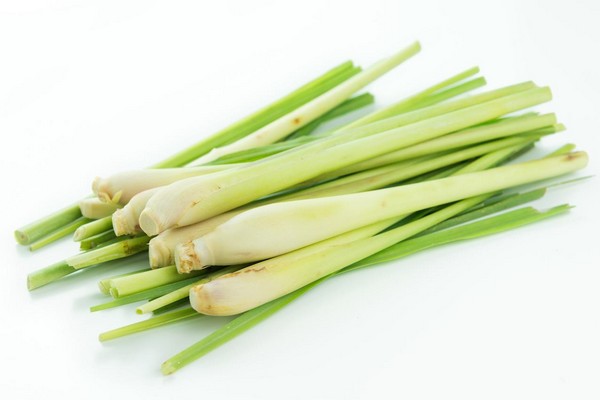
Lemongrass, also known as lemongrass or citronella, is a staple of Asian cuisine, especially Thai. It is also sometimes used in other cuisines.
The plant grows in large clumps consisting of a main stem and numerous long, narrow, gray-green leaves, resembling the feathers of a green onion. The main stem is denser, with a widening root base. When cut, this plant emits a sweet, lemony aroma.
How and when can I buy?
In countries where the plant grows and is actively used in cooking, it is always available for purchase.
When purchasing, choose firm, heavy stems without bruises or damage. If the stems are too light, they may be past their prime.
Culinary uses
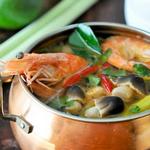
Lemongrass can be used in stews, curries, marinades, soups, or to flavor crème brûlée. Only the bottom 7-8 cm of the stems are edible; this portion should be cut off for further processing; the rest can be discarded. Remove any dry layers from the cut bottom portion. It can now be used whole or finely chopped. In either case, lemongrass is not edible, as it is too tough.
If you plan to use the whole processed part of the stem, you need to crush it with a rolling pin to release the aromatic oils.
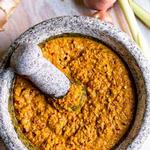
If you are going to freeze or dry lemongrass, the stem should be cut with a knife or crushed with a pestle and mortar.
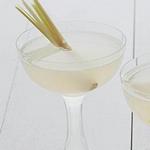
It's a good idea to steep a lemongrass stem in a bottle of vodka, then use the resulting infusion to make cocktails. To do this, peel and crush the plant stem with a rolling pin and place it in a bottle of vodka for 3-4 days. Shake the bottle periodically. Then remove the stem and use the vodka as directed.
Lemon zest can be used instead of lemongrass in cooking.
Storage
Fresh lemongrass stems should be wrapped in paper and stored in the refrigerator. This way, they will keep well for up to two weeks. Frozen or dried stems should be kept wrapped in a cool, dark place.
All recipes with lemongrass
Categories:
Related articles