Milk
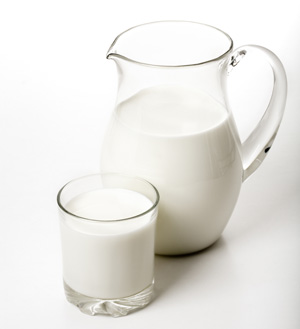
Milk is one of the most widely consumed foods on Earth. While cow's milk remains the most popular, other types of milk are gradually emerging and are successfully used in cooking, beverages, and cheeses.
The milk we buy in stores is usually pasteurized to remove any potentially harmful bacteria. However, unpasteurized milk is increasingly being consumed. Some believe that pasteurization removes the beneficial properties of milk along with the pathogenic bacteria.
Doctors do not recommend giving unpasteurized milk to infants, young children, pregnant women, and the elderly.
There are several types of milk.
Whole
It is usually unpasteurized and rich in nutrients essential for the growth and development of the human body. It contains no preservatives or colorings.
Low-fat
During the processing of this milk, some or all of the fat is removed. Semi-skimmed milk has a fat content of 1.5 to 1.8%, while fully skimmed milk has a fat content of 0.1%. Skimmed milk is very low in calories and fat, while retaining the same nutrients as whole milk.
Buttermilk
Traditionally, this product is made from the liquid remaining during buttermaking, but now it is more often made from skim milk mixed with dry milk powder and lactic acid. Buttermilk contains 0.1% fat. Its flavor is creamy and slightly tart. This product is often used in baking, as it adds extra moisture to breads and cakes.
Soy milk
This non-animal product is suitable for vegans and those with milk intolerance. It has a thicker consistency than cow's milk and a slightly nutty flavor. It is made from soybeans and is used to make yogurt, cheese, and cream. It can be used in the same way as regular cow's milk.
Concentrated and condensed milk
Condensed milk is homogenized milk with a reduced water content, meaning its concentration is twice that of regular milk. It's excellent for making desserts and puddings. To give condensed milk a thicker consistency and a sweeter taste, sugar is added. Sweetened condensed milk is also used in cooking to make sweets.
When preparing dishes, you can use cream instead of milk.
Storage
When purchasing fresh milk, read the labels on the packaging carefully. Milk can be stored in the refrigerator for 3-4 days after purchase. If not consumed promptly, it will go sour.
All recipes with milk
Categories
Culinary Encyclopedia / Milk and dairy productsSimilar material

Chocolate milk

Homemade nut milk
Homemade oat milk

Chocolate oat milk
Milk and Cookies Toffee
White Night Cocktail
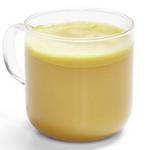
Golden milk with turmeric
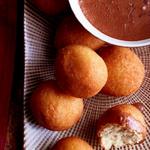
Chocolate sauce for donuts
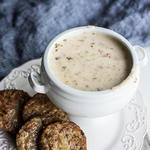
White meat gravy
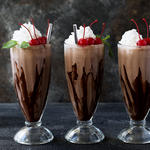
Chocolate Malted Milkshake

Donut glaze

Fruit milk
Mint milk
Almond granita

Malt milkshake for adults

Indian Pistachio Ice Cream (Kulfi)
Malted milkshake
White Béchamel sauce - classic
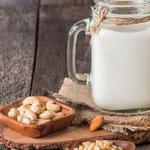
Homemade cashew milk

Homemade almond milk

Rice milk "Horchata"
Homemade Irish Cream Liqueur

Latte Mochaccino
Homemade condensed milk

Homemade cappuccino coffee
Homemade yogurt without a yogurt maker

Pumpkin Spice Latte

How to choose milk

Milk is an excellent remedy for arthritis.

Coconut milk
Milky Way Ice Cream

Chocolate milk with salt
Appetizers
Beer snacks
Cheese appetizers
Sandwiches
Snacks
Canapes
Assorted appetizers
Snacks with sauces
Meat appetizers
Fish appetizers
Vegetable appetizers
Egg appetizers
Soups
Cold soups
Creamy soups
Cream soups
Soups with dressings
Clear soups
Vegetable soups
Thick soups, stews
Meat soups
Fish soups
Soups with pasta and cereals
Main courses
Meat
Bird, game
Side dishes
Vegetables, mushrooms
Fish, seafood
Cereals, legumes
Eggs, dairy products
Pasta
Casseroles
Salads
Warm salads
Vegetable salads
Leafy salads
Fruit salads
Salads with cereals and pasta
Salads with meat
Salads with fish
Salads with eggs
Salads with beans
Salads with bread
Fast food
Hamburgers
Sandwiches
Hot dogs
Pizzas
Hot sandwiches
Tortilla Dishes
Pita dishes
Pancakes
Sauces for fast food
Deep-fried dishes
Sauces
Seasonings
Gravies
Dips
Spreads
Barbecue glazes and sauces
Salad dressings
Oil mixtures
Emulsion sauces
Sweet sauces
Hot sauces
Sauces for fast food
Grill, barbecue
Grilled meat
Grilled poultry
Grilled fish
Smoked dishes
Grilled vegetables and fruits
Grilled flour products
Barbecue glazes and sauces
Bakery
Savory pies, pizzas
Homemade bread
Potato pancakes, pancakes
Unsweetened buns, pies
Unsweetened cookies and muffins
Desserts
Cupcakes
Fruit desserts
Cookie
Cakes
Donuts, pies, buns
Candies and small sweets
Creams, sauces, mousses, puddings
Soufflé, meringues, meringues
Jelly
Ice cream, sorbets
Cakes
Sweet pies, tarts
Pancakes, fritters, waffles, toast
Breakfast cereals, granola, muesli
Drinks
Milkshakes
Smoothies, granitas
Coffee and chocolate based drinks
Fruit drinks, juices
Tea and herbal drinks
Hot drinks
Alcoholic cocktails
Cocktails with vodka
Cocktails with gin
Whiskey cocktails
Cocktails with wine
Cocktails with brandy, cognac
Cocktails with absinthe
Cocktails with rum
Cocktails with sparkling wine
Tequila cocktails
Cocktails with beer
Cocktails with liqueurs
Frozen cocktails
Cooking methods
Air fryer
Pressure cooker
Cold dishes
Multicooker
Stuffed dishes
Deep-frying
Double boiler
Pan
Baking tray
Foil
Oven
Roaster
Mixer
Blender
Brazier
Food processor
Microwave
Wok
Pickled dishes
Dried and cured foods
Pickled dishes
Poached dishes
Salty dishes
Smoked dishes
Canned goods
Seasonal dishes
Festive dishes
New Year
Christmas
Valentine's Day
March 8
Easter
May 1st
Halloween
Birthday
Party Dishes
Wedding dishes
Cocktail party
Dinner party
Mother's Day
Cuisines of the world
European
French
Italian
Spanish
Greek
English
Irish
German
Portuguese
Austrian
Polish
Russian
Scandinavian Swedish
Asian Chinese Japanese Thai Vietnamese Korean Filipino
Arabic Jewish Turkish
Indian
African Moroccan
American Hawaiian Cajun Canadian Tex-Mex
Latin American Mexican Venezuelan Argentine Brazilian
Caribbean Cuban Jamaican
Scandinavian Swedish
Asian Chinese Japanese Thai Vietnamese Korean Filipino
Arabic Jewish Turkish
Indian
African Moroccan
American Hawaiian Cajun Canadian Tex-Mex
Latin American Mexican Venezuelan Argentine Brazilian
Caribbean Cuban Jamaican
Categories
Breakfasts
Lunches
Dinners
Children's dishes
Dishes for future use
Budget recipes
Comfort food
Recipes for one
Recipes for two
Picnic
Backyard Recipes
Dishes for fans
Movie Night Dishes
Cooking methods
Food Network Recipes
Recipe collections
Recipes by ingredients
Healthy eating
Healthy breakfasts
Lunches
Dinners
Healthy snacks
Dishes rich in fiber
Gluten-free dishes
Low sodium content
Low-calorie dishes
Dishes for diabetics
Low-carb meals
Low fat content
Low cholesterol
Calorie content of prepared meals
Vegetarian dishes
Vegan dishes