Onions: How to Choose, Store, and Use in Cooking
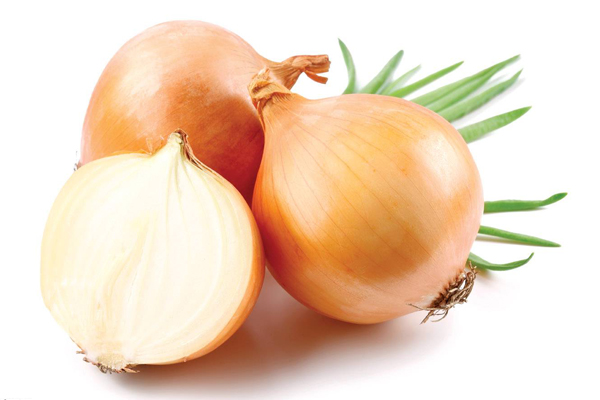
Onions are a very common food. Originally grown only in Asia, they are now grown in almost every region. countries of the worldOnions are so delicious that they're added to many dishes. A ripe onion has a dry outer skin, juicy flesh, and a distinctly pungent flavor that, when cooked in certain ways, becomes sweet.
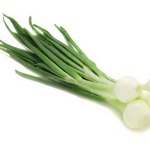
There are different varieties of onions, each differing in bulb size, density, and color. The most popular is the yellow onion. It has a pale golden skin, greenish-white flesh, and a strong flavor. Red onions, on the other hand, are the complete opposite: their skin is purple, the interior is reddish, and the flavor is milder, even slightly sweet. Shallots, very popular in French cuisine, are also considered onions. They have small bulbs with a delicate flavor. When young, they produce greens that can be used in cooking, especially in fresh salads.
When onions are cut, they release essential oils with a very strong aroma, which can irritate the eyes. Over the years, chefs have developed numerous ways to cut onions without tears. Some freeze the vegetable before peeling and cutting. Others wear special goggles to prevent onion juice from getting into their eyes, and still others use a mask to breathe through, but none of these methods are very effective. The best option is to cut closer to the center of the onion, rather than near the roots, since that's where most of the pungent onion oil is located, besides the roots.
How and when can I buy?
Onions are available year-round. Onion powder (ground dried onion) is also sold. Salt with onion powder, onion flakes, or diced onions are also available. However, all of these processed products are, of course, of lower quality than fresh onions. Sometimes you can even buy pickled onions.
How to choose?
When buying onions, look for firm bulbs free of soft, damp spots, and mold. There are several varieties of onions.
White onions produce medium to large bulbs with white skins and uniformly white flesh. They have a strong flavor and are excellent for pie filling. In salads, white onions are recommended to be used only fresh.
Yellow-brown onions have golden skins and yellowish flesh. They are versatile and can be used in any form in any dish.
Spanish onions are similar to the previous variety: they have a yellow-brown skin, but the flesh is significantly softer and sweeter. They are great in omelets, salsas, and simply sautéed.
Red onions come in a variety of sizes. They have red or purple skins and white flesh with a pink edge around each ring. Red onions are quite sweet in flavor. They are great in salads, marinades, salsas, and stir-fries.
Culinary uses
When using onions, peel them first. First, cut off the top of the onion, then peel away the outer skin, stripping away the flesh. Now, cut the onion in half. Place one half cut-side down on a cutting board and make several slits lengthwise with a knife. Then, cut the same half crosswise. Keep the bottom of the onion intact throughout this process; hold it with your left hand while you cut. Once the onion is cut, discard the bottom half.
Do the same with the other half of the onion. Now you can leave the sliced onion as is, or divide each slice into rings.
Typically, onions are cut immediately before they are used in cooking.
Onions can be sautéed over low heat (7-10 minutes) and then used in pasta sauce, soups, or stews. They can be sliced and baked (40-50 minutes) or lightly fried and used as a pie filling.
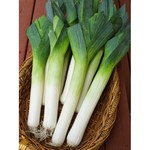
Leeks can be used instead of onions in cooking.
Storage
How you store onions depends on their condition. If they're still peeled, place them in a cool, dark place where they'll keep for several months. Don't refrigerate them! They'll get soft there. If you've chopped onions, wrap them in something or place them in a glass jar with a lid and refrigerate them. This will keep them well for a couple of days.
All recipes with onions
Categories:
Related articles