Tuna: Types, How to Choose, Store, and Cook
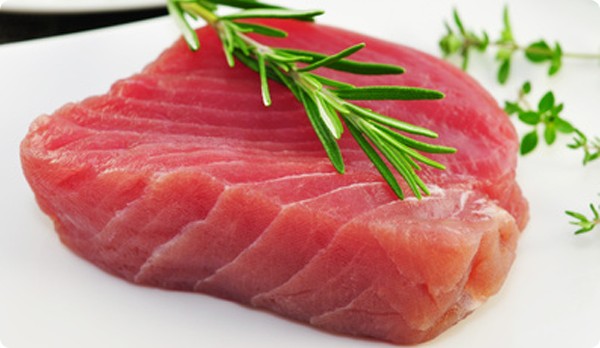
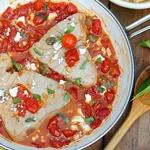
Tuna is a member of the mackerel family. It inhabits the world's warm oceans. This fish can reach large sizes, weighing up to 700 kg. Its flesh is meaty, with a strong flavor and high fat content. Tuna is most often sold filleted. It dries out very quickly, so it should be cooked immediately after purchase, and marinating the fish beforehand can be helpful. It also tastes great simmered in a sauce.
There are many varieties of tuna, but most species have become extremely rare and endangered due to overfishing. This is especially true for bluefin tuna, as well as specimens found in the Mediterranean and Atlantic Oceans.
When can I buy it?
Tuna is available year-round, but the best fresh fish is from May to early September.
How to choose?
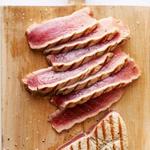
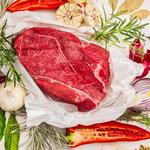
Since tuna is a fatty fish, it should be eaten very fresh. When purchasing fillets, look for firm, dense flesh, red or dark red in color, and a meaty aroma.
Avoid fillets that are discolored near the bones or have a brownish tint. The thicker the piece of fish, the more juicy it will remain after cooking.
The best tuna choices are bluefin tuna (yes, it's endangered, so when you see it in the store, think twice about buying it), yellowfin tuna, and albacore, or longfin tuna. Bonito (Atlantic bonito), a fish that's a cross between tuna and mackerel, is often classified as a tuna and is also considered very popular.
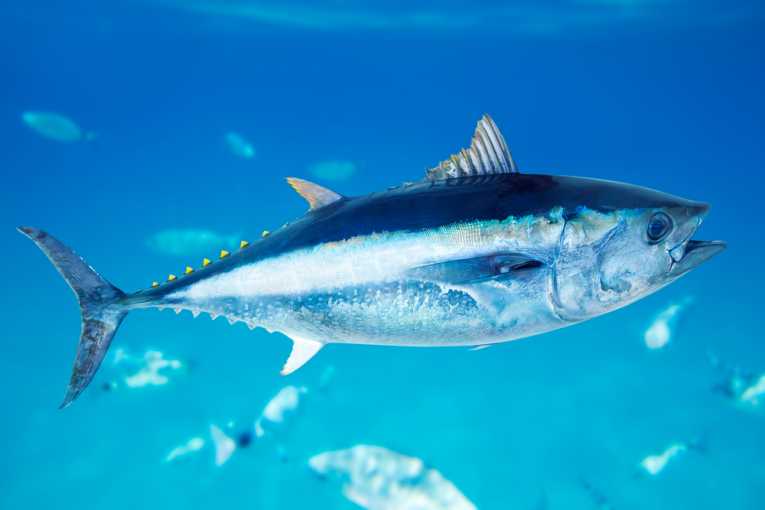
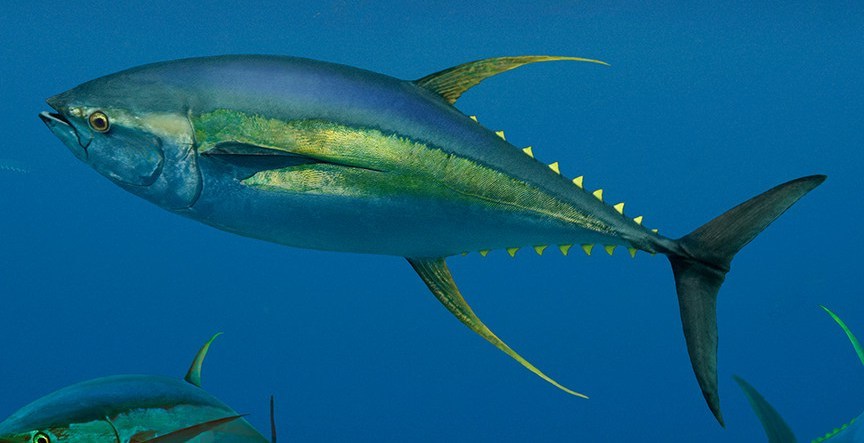
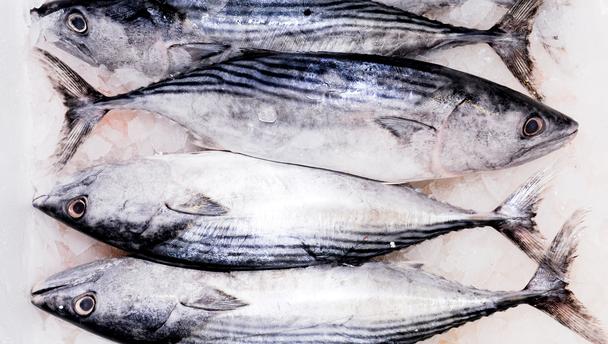
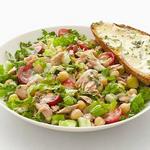
Canned tuna is available at any time. Albacore and skipjack tuna are considered the best. Canned tuna contains water, brine, and vegetable or olive oil.
It's important to look for the "dolphin-friendly" label on the canned tuna you buy, indicating that the fish was caught without the use of nets that could also entrap dolphins and other marine animals. It may also be labeled "bird-friendly," indicating that no birds were harmed in the tuna's capture. This happens often.
Preparation
There's no need to wash the tuna fillet. Simply pat it dry with a paper towel. If you're using canned tuna, remove it from the marinade and let any excess liquid drain off.
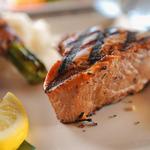
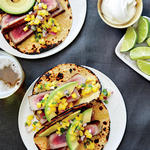
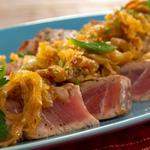
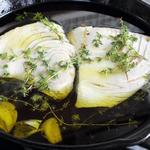
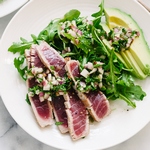
Tuna can be cooked on the barbecue, grill, or pan-fried. Sear it for at least 2 minutes on each side. It can also be baked. To do this, wrap the fish in oiled foil and bake for 10-15 minutes. Simmer for the same amount of time—about 15 minutes.
If necessary, tuna can be replaced with herring, tilapia or mackerel in recipes.
Storage
Pat the tuna fillet dry with a paper towel and place it on a plate. Cover the plate with plastic wrap and place it on the bottom shelf of the refrigerator. Consume the fish within one day. Canned tuna should be stored in a cool, dark place. After opening, transfer the contents to a glass jar with a tight-fitting lid and refrigerate for up to 24 hours.
Tuna recipes:
All recipes with tuna
Categories:
Related articles