Sage
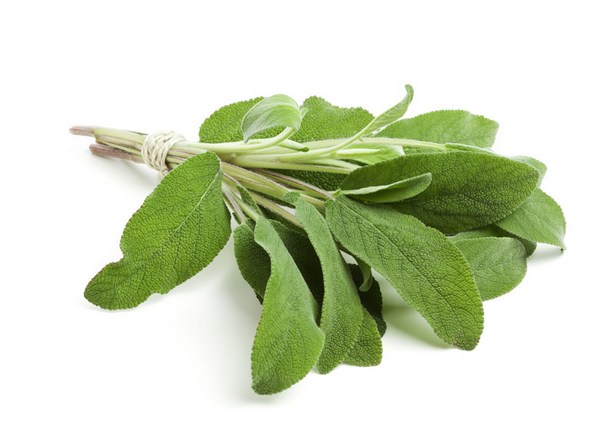
Sage is very popular in Italian and British cuisine. It has gray-green leaves with a fuzzy upper surface. Sage has a sharp, slightly minty aroma and a distinctive flavor. Traditionally, it is used to flavor sausages, fatty pork, and goose. It is not used raw in cooking.
How and where to buy?
Sage is available year-round. It's typically sold in pots filled with soil, perfect for keeping at home, ensuring a fresh supply of herbs is always on hand.
How to choose the best one?
Choose fresh leaves with a good aroma and color. Avoid plants that are wilted or have brown spots on the leaves. There are different types of sage. Common sage has a deep, vibrant flavor and aroma, pineapple sage has a slightly sweet taste, and purple sage is the most delicate in both flavor and aroma. There's even tricolor sage, which has pink, cream, and green leaves. All types of sage are available fresh or dried.
Culinary uses
Tear the leaves from the stem, wash them and use them whole or chop them finely.
Sage is added to pasta sauces and to flavor meat and poultry. It can be quickly sautéed and used as a garnish for risotto or pumpkin dishes.
Rosemary or thyme can be used instead of sage in cooking.
Storage
Fresh sage leaves should be wrapped in parchment paper, placed in a perforated plastic bag, and refrigerated for up to 3 days. Dried sage can be stored in a tightly sealed jar in a cool, dark place for 4 to 6 months. Potted sage should be kept on a bright windowsill.
All recipes with sage
Categories:
Related articles