Persimmon: its beneficial properties, how to choose and store it
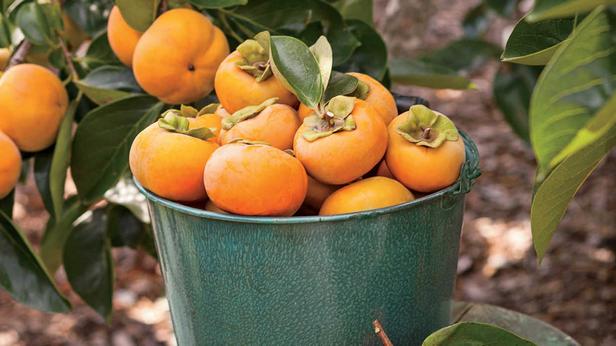
Many people think of persimmon as a fruit. But experts say it's more accurately called a berry. And few people know that it's prized not only for its flavor but also for its medicinal properties.
Beneficial properties
Persimmon is very healthy.With regular use, it can normalize the functioning of the nervous and hormonal systems, as well as "prolong youth" by slowing the process of graying hair and preventing the appearance of dark pigment spots.
Thanks to its vitamin and mineral content, persimmon has a number of medicinal properties: it improves vision, lowers blood pressure, helps combat intestinal disorders, replenishes iron stores in the body, boosts immunity, and is also a natural antidepressant.
The berries contain lycopene, an antioxidant with anti-cancer properties. Lycopene's activity increases with heat treatment, making persimmons safe to bake and stew.
Persimmons are rich in vitamin P, or rutin. It is beneficial for people with vascular pathologies or diseases associated with impaired vascular permeability.
Persimmons are comparable to dates in potassium content; the fruit is rich in this micronutrient. It also plays an important role in the body's water balance, effectively removing excess fluid.
A valuable component of persimmon is beta-carotene. It is involved in the synthesis of rhodopsin, a retinal pigment. A deficiency in the body impairs twilight vision and color perception. The brighter the fruit's color, the more beta-carotene it contains.
This berry contains a lot of vitamin A, which is essential for cell renewal, including skin cells. Regular consumption of foods containing beta-carotene causes vitamin A to be deposited in fatty tissue, giving the skin a light tan.
The berry can also be used as a base for nourishing masks: persimmon pulp perfectly tones the skin and removes blackheads.
But there's another side to the coin. The total sugar content of the fruit is 10.8%. Therefore, it's best consumed in the first half of the day, before 4 PM, when the body requires the most energy.
You shouldn't eat more than four persimmons a day. The tannins in the berries can cause constipation and intestinal obstruction, especially if the persimmon is unripe. They should not be consumed on an empty stomach or given to children under 3 years of age.
Recipe persimmon muffins.
How to choose
The ripeness of the berry depends directly on the variety. The most delicious are considered to be honey and chocolate kinglet, tangerine, Sharon persimmon, Russian woman, fig varieties of persimmon.
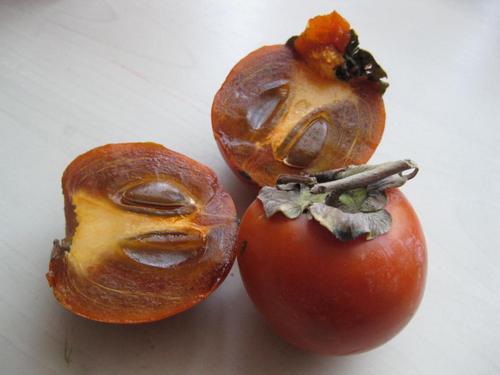
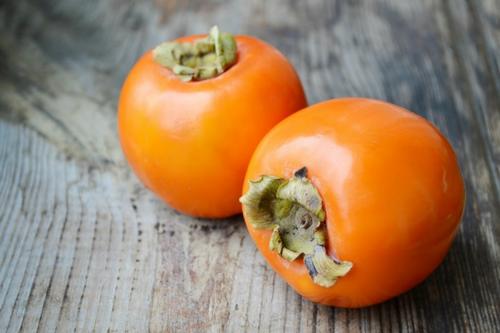

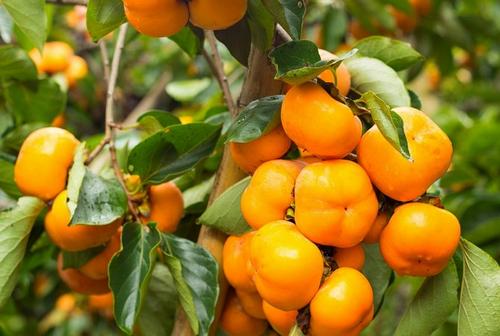
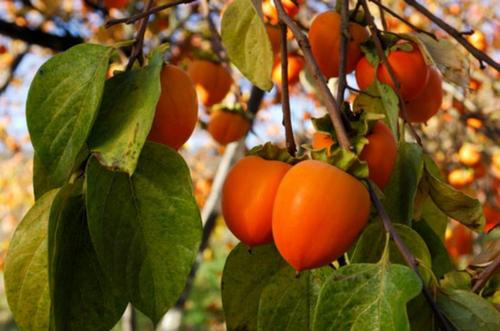
It's also important to pay attention to the integrity of the fruit—the skin shouldn't be damaged. Noticed black spots starting to appear on the persimmon? This means it's spoiling. While persimmons are ripe, they won't keep for long if they're too soft. They're also very delicate, so it's important to store them in a sturdy container—a box or a lid—when transporting them home.
How to store
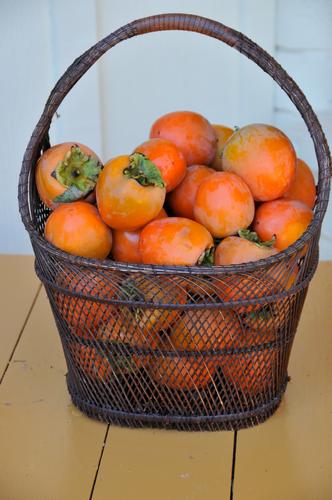
Fresh persimmons will keep for no more than two to three days in the refrigerator or on the balcony. Want to preserve them longer? There are three options.
• Drying
Dried persimmons keep for up to a year. The flavor is somewhere between dried apricots and dates. Peel, slice, and dry in the oven at 45°C.
• Freezing
Berries will keep for up to six months. Tip: Before freezing, place the berries in a tightly sealed plastic bag to prevent moisture from evaporating.
• Conservation
The best way to preserve persimmons for future use is to make compote or jelly. However, it's important to remember that many vitamins are lost after cooking.
Note
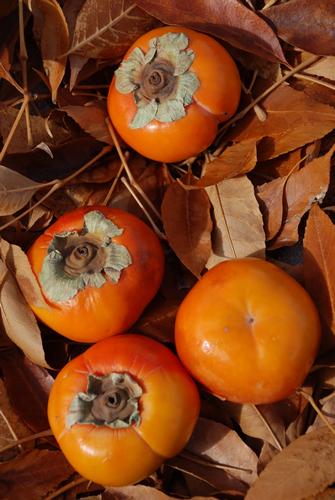
If the persimmon turns out to be too tart, don't worry. Put it in the freezer for a day or two; after it thaws, the berry will lose its astringency.
Article author: TopCook
Votes: 1
Categories
Culinary articles / Culinary Encyclopedia / FruitsSimilar material

Healthy Ricotta and Blueberry Tartlets
Banana puree with spinach

Healthy Peanut Butter and Jam Sandwiches

Kid-Friendly: Healthy Snacks for Kids

Stewed cabbage salad

Healthy Burger Patties with Green Olives

Blueberry juice

Healthy prune truffles
Stewed kale
Cranberry Orange Relish

Green Gimlet Cocktail
How to buy tomatoes

7 foods with a long shelf life

Tangerines: varieties, hybrids and useful properties
Rhubarb, beneficial properties, preparation
Raspberries, beneficial properties, cooking methods
Papaya: its beneficial properties and how to eat it

The most useful vegetable oils, their types and
Rice porridge - beneficial properties
Persimmon - beneficial properties

The beneficial properties of kvass

Lime juice - beneficial properties and ways to combat it
Onions, how to choose, store and

Pumpkin - how to choose, store and use in
Tuna: Types, How to Choose, Store, and Cook
Watermelons instead of heart medication
Brussels sprouts: how to choose, store and

Fruits for energy
Avocado: the obvious benefits of this overseas guest!
Avocado: properties, varieties, and culinary uses
Potatoes. History of origin and useful properties
Turkey meat - beneficial properties