Tangerines: varieties, hybrids and useful properties
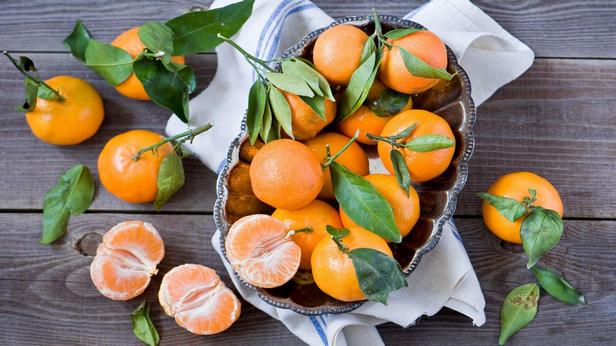
China is considered the birthplace of the mandarin, although it was discovered in India several thousand years earlier. The origin of the fruit's name is linked to wealthy Chinese aristocrats—Chinese mandarins. In ancient times, only wealthy mandarins could afford to eat these fruits. Ancient Chinese manuscripts describe over 20 distinct varieties of mandarins and oranges. Today, in China, the mandarin represents prosperity and good fortune, and it is a must-have gift for friends and family.
Where are tangerines grown?
Europeans first learned about mandarins approximately 300 years ago, when the mandarin bush was brought to Italy in the mid-19th century. Initially, the orange fruits were grown in greenhouses, then they began to be planted in the southern regions of Italy and France, and later in other European countries with mild climates, these citrus trees and shrubs, with their voluminous, ever-green crowns, began to be grown in open ground.
Today, the main countries where this widely popular type of citrus is grown are:
• PRC;
• Brazil;
• Algeria;
• Greece;
• Italy;
• Morocco.
Besides these, tangerines are produced in the countries of Central Asia and Transcaucasia, as well as in Turkey and Japan.
Citrus fruits generally prefer warm climates, but the mandarin can easily tolerate cold weather without fear of dry weather.
Varieties
Every fruit, regardless of variety, is very easy to peel. Mandarins have a sweet taste. Russia primarily imports Turkish mandarins. They have a pleasant tart aroma and a distinctive yellow color. At the beginning of the season, they are slightly tart, but by winter, they become sweeter. Abkhazian and Turkish mandarins are almost identical in appearance, but the fruits from Abkhazia are picked at a more mature stage, making them sweeter. The very sweet Moroccan "Clementine" has a bright orange color and a slightly cloying aroma, which is unusual for other citrus fruits.
Sweet, red-orange, but rare in Russia, Chinese tangerines are practically seedless. Mandarins from Spain are large, juicy, and delicious, but highly prized.
Mandarins are divided into 3 main categories:
1. Noble (large orange fruits, have a bumpy skin, love warmth).
2. Italian (fiery color, with a dense skin, loves warmth).
3. Japanese satsumas (yellow-orange, small, seedless, cold-resistant).
Hybrids
We're used to thinking of all orange, slightly flattened citrus fruits with thin skins as tangerines. However, true tangerines are actually only those with a yellow to slightly orange color (for example, tangerines from the Caucasus), and foreign varieties are related. Various hybrids are also common. The most well-known hybrids include:
• Natsumikan and tangelo (2 different combinations of grapefruit and mandarin);
• tangora (orange + tangerine);
• citrandarin (a cross between a rough-skinned lemon and a tangerine);
• citrofortunella (fortunella + tangerine);
• clementine (blood orange + tangerine);
• Minneola tangerine (a cross between grapefruit and regular tangerine).
This is by no means a complete list of all the varieties of mandarin oranges, but you're unlikely to be too concerned with their names and natural characteristics. It's far more desirable to buy the most delicious mandarins, which can be recognized by examining them closely. Bruised fruits are sour, medium-sized satsumas are slightly sweeter, and the sweetest are the small "Clementine" varieties. They also have the longest shelf life—about a month (if they don't dry out).
Recipes with tangerine:
Warm salad
Cupcake
Mandarin: composition and calorie content
Mandarin oranges contain vitamins (A, B, D, E, K, P), a large number of microelements (magnesium, calcium, sodium, etc.), carotenoids, and various beneficial substances. Mandarin oranges also contain a large amount of ascorbic acid. Their caloric value is 38 kcal.
Beneficial properties
Tangerines boost immunity, improve vision, metabolism, gastrointestinal function, and increase appetite. They also normalize the nervous system and, due to the strong vitamin C content, slow the aging process. The fruit is used to treat respiratory problems and various edemas. It has antimicrobial properties, killing a large number of airborne bacteria. It also protects against rickets, strengthens circulatory systems, and reduces the effects of toxins.
The peel of this citrus fruit has anti-tumor properties and prevents blood clots. Fresh peel increases digestive juices, treating stomach and intestinal disorders. Dried peel calms the nervous system and prolongs the action of analgesics.
Tangerine juice is used to prevent cancer, atherosclerosis, high blood pressure, and vitamin deficiencies or excesses. It is used to treat acute respiratory viral infections, and the fruit also reduces fatigue. The juice is beneficial for children. Its external use is also recommended for oral thrush.
Citrus essential oils have a positive effect on brain function, increase focus, and energize. They are used to treat viral colds and flu, help with stomach and intestinal ailments, and improve blood circulation. The oils also help protect the skin from stretch marks.
Who is contraindicated to eat tangerines?
Orange fruit is not recommended for people with stomach or duodenal ulcers, or various inflammatory diseases of the stomach, intestines, and kidneys, as it can cause irritation of the mucous membranes and pain.
Mandarin essential oils should not be used by people suffering from epilepsy and high blood pressure, as well as by pregnant women, nursing mothers and children.
It is important to remember that all citrus fruits, including tangerines, are very serious allergens, so you should not eat too much of them.
Author of the article: Oksana Morozyuk "TopCook"
Votes: 1
Categories
Culinary articles / Culinary Encyclopedia / FruitsSimilar material

Healthy Banana Muffins

Warm salad with pumpkin, rosemary and tangerines

Healthy Breaded Pork Chops

Healthy Ricotta and Blueberry Tartlets

Ambrosia salad

Chinese Chicken Salad
Banana puree with spinach

Kid-Friendly: Healthy Snacks for Kids

Stewed cabbage salad

Healthy Burger Patties with Green Olives

Blueberry juice

Plum wine sangria

Healthy prune truffles

Healthy Carrot Muffins
Stewed kale
Cranberry Orange Relish

Green Gimlet Cocktail

Persimmon: its beneficial properties, how to choose and store it
Rhubarb, beneficial properties, preparation

Raspberries, beneficial properties, cooking methods
Papaya: its beneficial properties and how to eat it

The most useful vegetable oils, their types and
Rice porridge - beneficial properties
Persimmon - beneficial properties

The beneficial properties of kvass

Lime juice - beneficial properties and ways to combat it

Watermelons instead of heart medication
Bananas: Varieties, Properties, and Culinary Uses
Avocado: the obvious benefits of this overseas guest!
Avocado: properties, varieties, and culinary uses
Potatoes. History of origin and useful properties

Turkey meat - beneficial properties