Watermelon: how to choose, store, and use in cooking
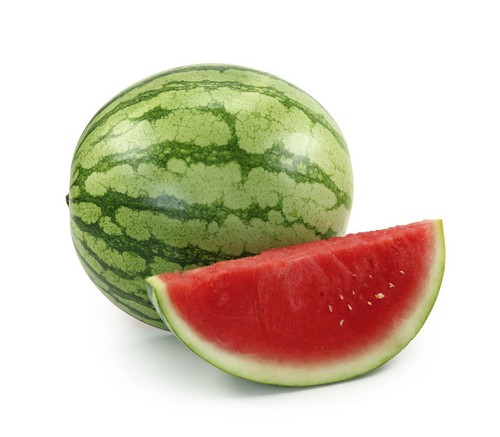
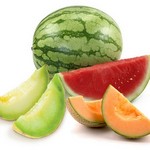
Watermelons were originally cultivated in Africa. Unlike cantaloupes, they are more watery and have a less pronounced flavor. However, they average 6 kg in weight, and their flesh is very sweet, juicy, and refreshing.
Watermelons have a tough, green, sometimes striped rind that can be pickled. The flesh of a ripe watermelon is pink or red and is usually eaten fresh. The seeds are usually dark and are roasted with salt and served as a snack.
When can I buy it?
Imported watermelons can be purchased almost all year round, while local ones are available from June to September.
How to choose a good watermelon?
If you pat a ripe watermelon with your hand, the sound inside will be resonant. The fruit itself is quite heavy, and appropriate for its size. The rind should be matte and not yield too much when pressed. Choose smooth, round watermelons. Avoid those that are crooked, cracked, or dented. Because watermelons can be very large, they are sometimes sold cut into pieces. If you decide to buy a piece of watermelon, look at the flesh. It should be red, and the seeds should be black. If the flesh looks grainy or dried out, avoid that piece.
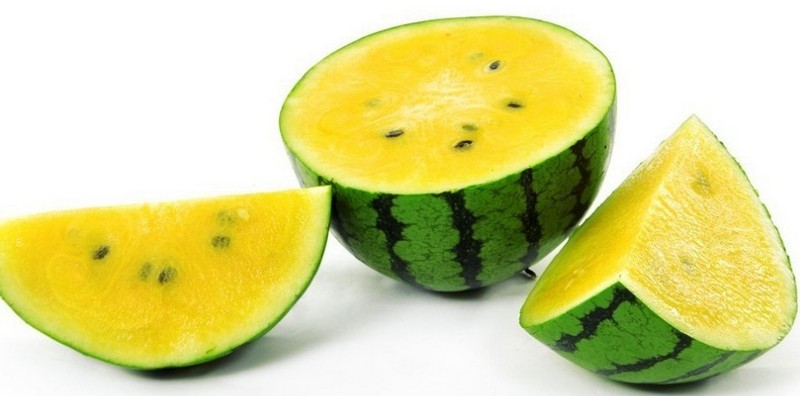 In addition to the traditional green watermelons with red flesh, yellow watermelons with bright yellow flesh are also sold. These are also edible, but their flavor is somewhat bland.
Culinary uses
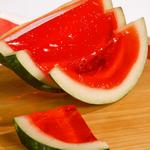
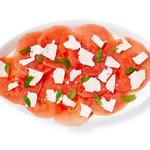
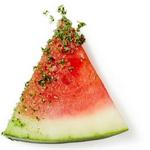
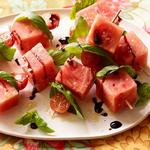
Watermelon can be cut into pieces, seeded, and served. It can also be added to fruit salads. This fruit looks especially unique in a sweet and sour salad with feta cheese and mint. Fresh watermelon juice is delicious and healthy.
Instead of watermelon, you can use melon in cooking.
Storage
Cut watermelon should be stored in a cool place. Wrap the pieces in plastic wrap and refrigerate. Consume within 2-3 days.
All recipes with watermelon
Categories:
Related articles