Walnuts: Purchasing, Storage, and Use
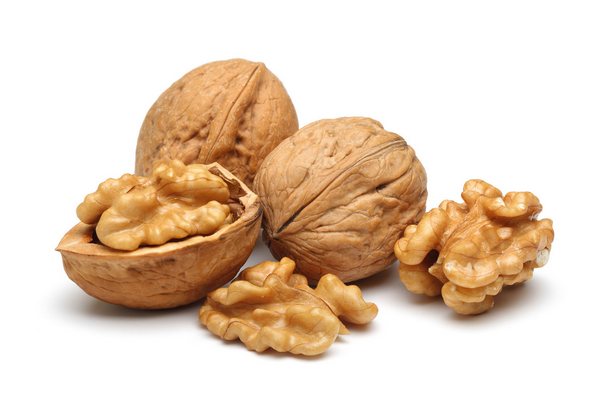
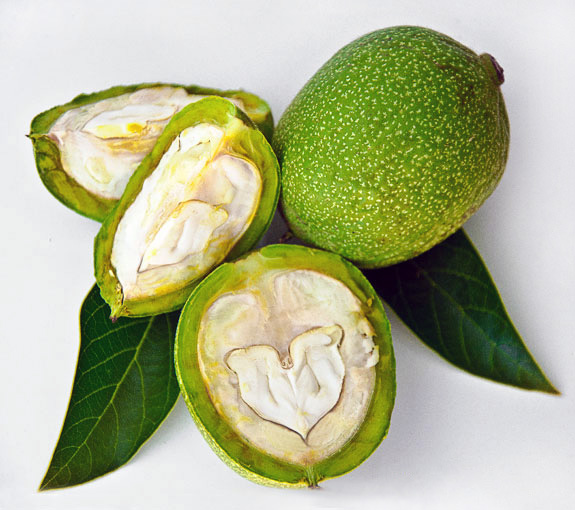 Walnuts are very popular and versatile. Unripe, green walnuts with their milky flesh are preserved in pickles. But the fully ripened nuts are much more popular, used both dried and fresh. The kernel is covered in a brown skin and resembles a human brain.
Walnuts have a slightly bitter taste. They are eaten raw and also used in a variety of dishes, both sweet and savory. They are especially good in baked goods.
When can I buy them?
Walnuts in shells are only available in the winter months, from December to February, while unshelled walnuts are available all year round.
How to choose the best ones?
If you buy nuts in shell, make sure that the shell is smooth, dense and undamaged.
Culinary uses of walnuts
Walnuts can be cracked using specialized tools. Most of them allow you to squeeze the nut until it splits. It's important not to damage the kernel during this process.
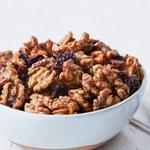
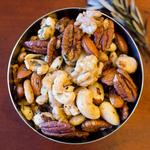
Nuts can be eaten fresh or baked. To do this, place them in a single layer on a baking sheet and bake in the oven at medium heat for 10-12 minutes. The nuts are ready when the kernels have turned golden. A similar effect can be achieved by simply toasting the nuts in a pan. Keep the heat at medium heat. Stir the nuts constantly to ensure even roasting and prevent burning. After baking, the kernels can be left whole or chopped with a knife.
Walnuts are great in salads, especially if they contain apples, celery, raisins, or muesli. They're also used in cakes, cookies, and pies, and can also be eaten fresh.
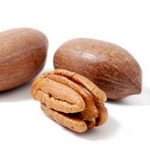
If desired, walnuts can be substituted with pecans.
Storage
Unshelled or shelled nuts should be stored in an airtight container in a cool, dark place. When stored this way, they will stay fresh for up to 3 months. Shelled nuts should also be stored in an airtight container in the refrigerator. This extends their shelf life to 6 months.
All recipes with walnuts
Categories:
Related articles