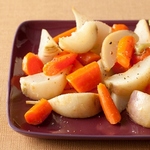
Turnips, purchase and storage
This article will tell you about the different types of turnips, how to buy them, and how to store them.
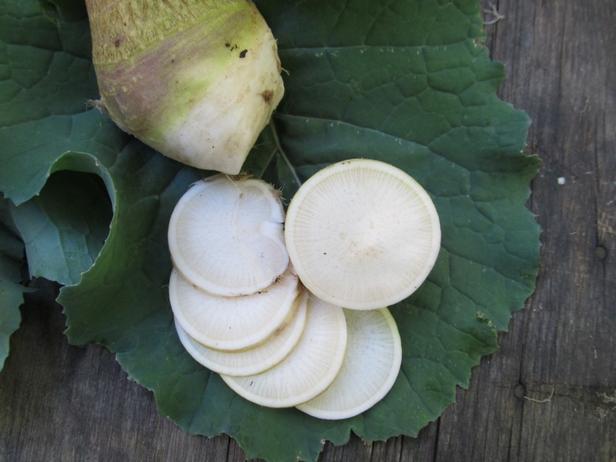
Turnip is a cheap and very healthy product.
There are two types of turnips: early and late. Both are round, slightly flattened roots with thin roots.
Early turnips It has greenish-white skin with a purple tint. Its flesh is tender and sweet, with a slightly pungent flavor, and a subtle nutty aftertaste. Its tops are also edible.
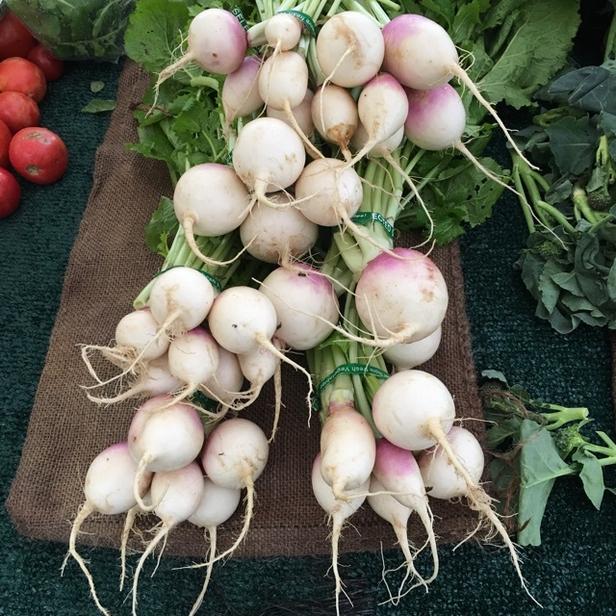
Late turnips have a thicker skin, but the same pleasant flesh.
Turnip variety turnips It is distinguished by its white-purple color and larger fruits.
How to buy?
Early harvest turnips are sold from April to July, and late harvest turnips from August to March.
When buying turnips, choose fruits that are smooth, free of damage and without brown spots, holes or mold.
Early harvest turnips are usually sold in bunches or bags, already washed and practically ready to eat.
Storage
Early-harvested turnips store well in the bottom drawer of the refrigerator. Remove the tops first and wrap the roots in paper.
Late-harvest turnips store well in a cool, dark place—for example, a basement or a caisson. They can keep well there for several months.
Both early and late harvest turnips can be frozen.
To freeze early turnips, peel, cut, blanch, cool, and pack them in plastic bags or containers. When preparing meals, you'll use them straight from the freezer.
Late-harvest turnips should be boiled and drained. Mash the roots into a puree, place the puree in lidded containers, and freeze.
There are two types of turnips: early and late. Both are round, slightly flattened roots with thin roots.
Early turnips It has greenish-white skin with a purple tint. Its flesh is tender and sweet, with a slightly pungent flavor, and a subtle nutty aftertaste. Its tops are also edible.
Late turnips have a thicker skin, but the same pleasant flesh.
Turnip variety turnips It is distinguished by its white-purple color and larger fruits.
How to buy?
Early harvest turnips are sold from April to July, and late harvest turnips from August to March.
When buying turnips, choose fruits that are smooth, free of damage and without brown spots, holes or mold.
Early harvest turnips are usually sold in bunches or bags, already washed and practically ready to eat.
Storage
Early-harvested turnips store well in the bottom drawer of the refrigerator. Remove the tops first and wrap the roots in paper.
Late-harvest turnips store well in a cool, dark place—for example, a basement or a caisson. They can keep well there for several months.
Both early and late harvest turnips can be frozen.
To freeze early turnips, peel, cut, blanch, cool, and pack them in plastic bags or containers. When preparing meals, you'll use them straight from the freezer.
Late-harvest turnips should be boiled and drained. Mash the roots into a puree, place the puree in lidded containers, and freeze.
Author of the article: Natalia Semenova "TopCook"
Votes: 1
All recipes with turnips
Categories:
Related articles