How to choose a watermelon or a melon?
Every year, at the end of summer, watermelons and melons appear on store shelves. To enjoy them, you need to know how to choose the right fruit.
Every year, at the end of summer, watermelons and melons appear on store shelves. To enjoy them, you need to know how to choose the right fruit.
We can often put our bodies at risk because, if stored improperly, microbes can begin to multiply in berries. These can cause intestinal irritation or poisoning. It's important to pay attention to how these fruits have been stored when purchasing them.
The first condition is – A metal cage. It keeps watermelons and melons from falling over, preventing the rind from cracking. When cracking occurs, a large number of bacteria accumulate in the rind.
The second condition Shade is the best option for selling the product. A canopy prevents premature fermentation. It's also important to ensure that these fruits are stored on wooden pallets, as this prevents rotting.
Don't buy watermelons or melons near highways. These berries absorb dust, soot, and exhaust fumes. Just a few hours and your favorite fruit will turn into poison.
Watermelons and melons contain many beneficial substances. Watermelon is a good diuretic, effectively removing waste and toxins from the body. People with diabetes and urinary tract conditions should consume this fruit with caution.
Melon is rich in antioxidants. It boosts your mood and improves sleep. Melon also contains vitamin C, which helps fight disease. This fruit is especially beneficial for people suffering from anemia. Carotene can help with poor vision, and pectin will improve bowel function.
How to choose the right watermelon.
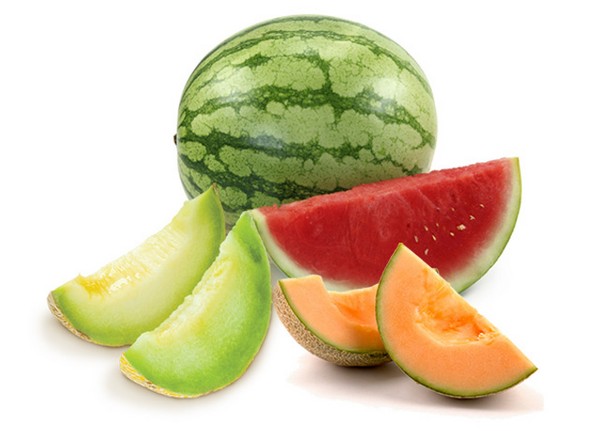
First - Pay attention to the color. A good watermelon should be shiny and bright green with well-defined stripes. The rind should be firm and not give way when pressed.
Second - The tail should be dry. It should be brown or beige.
When choosing a melon, smell is an excellent indicator of ripeness. The stronger the scent, the better.
We can often put our bodies at risk because, if stored improperly, microbes can begin to multiply in berries. These can cause intestinal irritation or poisoning. It's important to pay attention to how these fruits have been stored when purchasing them.
The first condition is – A metal cage. It keeps watermelons and melons from falling over, preventing the rind from cracking. When cracking occurs, a large number of bacteria accumulate in the rind.
The second condition Shade is the best option for selling the product. A canopy prevents premature fermentation. It's also important to ensure that these fruits are stored on wooden pallets, as this prevents rotting.
Don't buy watermelons or melons near highways. These berries absorb dust, soot, and exhaust fumes. Just a few hours and your favorite fruit will turn into poison.
Watermelons and melons contain many beneficial substances. Watermelon is a good diuretic, effectively removing waste and toxins from the body. People with diabetes and urinary tract conditions should consume this fruit with caution.
Melon is rich in antioxidants. It boosts your mood and improves sleep. Melon also contains vitamin C, which helps fight disease. This fruit is especially beneficial for people suffering from anemia. Carotene can help with poor vision, and pectin will improve bowel function.
How to choose the right watermelon.
First - Pay attention to the color. A good watermelon should be shiny and bright green with well-defined stripes. The rind should be firm and not give way when pressed.
Second - The tail should be dry. It should be brown or beige.
When choosing a melon, smell is an excellent indicator of ripeness. The stronger the scent, the better.
Votes: 1
Categories:
Related articles