Types of cheese
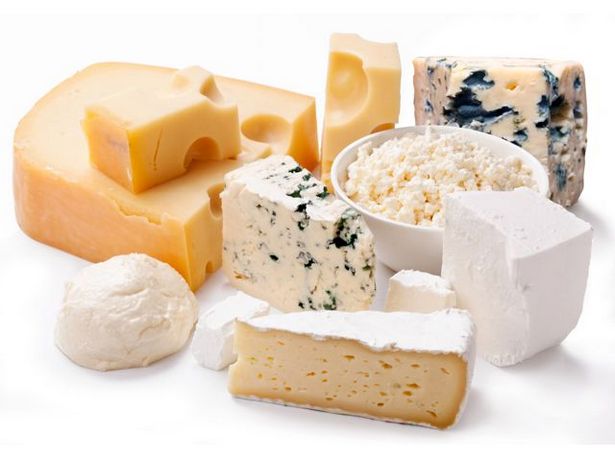
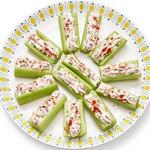
1. Soft cheese.
It's so named because of its texture. The cheese yields easily to gentle pressure. Soft cheese is used primarily as a spread on bread or crackers. Soft cheeses don't keep well, so they should be consumed as soon as possible, literally within a couple of days of purchase. Soft cheeses include: feta, ricotta, mascarpone And Philadelphia.
2. Semi-soft cheese.
Semi-soft cheese is best suited for desserts and light appetizers. One of the advantages of this type is that it can be frozen and then defrosted for use. This preserves the cheese's flavor and texture. The most popular semi-soft cheeses are: Gouda, Mozzarella, suluguni, halloumi and asadero.
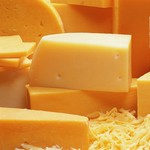
3. Semi-hard cheese.
During production, this cheese is specially pressed to remove moisture. Although it can be used for cooking, it's also excellent for sandwiches and snacks. Most importantly, semi-hard cheese has a longer shelf life than soft cheese. In the refrigerator, it can last for 1-2 months. The most popular semi-hard cheeses are: Double Gloucester, Cheddar, Caerphilly and Conte.
4. Hard cheese.
This type of cheese has the least water content compared to others. It keeps well, refrigerated, for up to two years. As it ages, hard cheese, like semi-hard cheese, becomes firmer and more flavorful. It is ideal for preparing a wide variety of dishes. The most famous and delicious are: Parmesan, Pecorino Romano and fleeting.
5. Blue cheese.
This blue cheese is for gourmets. It contains a special fungus, penicillium, and other bacteria that are injected into the cheese, causing them to multiply and form bluish or gray spots on the cheese. Blue cheese is usually eaten as an appetizer, but is sometimes used in other dishes. Blue cheeses have a strong, salty flavor. The best varieties are: Roquefort, gorgonzola, stilton and French bleu de gesso cheese.
6. Processed cheese.
This variety is the most popular among people around the world. In fact, it's not just one type of cheese, but several, made with unfermented dairy products such as milk, whey, cream, and butter. Processed cheese also contains emulsifiers, colorings, flavorings, and salt. This cheese is used for cooking and as a snack. The biggest advantage of processed cheese is its very long shelf life.
Although cheese is a favorite food in many countries around the world, there are regions where its consumption is prohibited or restricted. For example, in Muslim countries and Jewish regions, cheeses containing animal rennet are not used, and in some "cheese-loving" countries, there are bound to be entire regions where the locals absolutely detest cheese. Nevertheless, no one will deny the fact that cheese is one of the few foods that is popular in virtually every country in the world.
Categories:
Related articles