All about Roquefort cheese
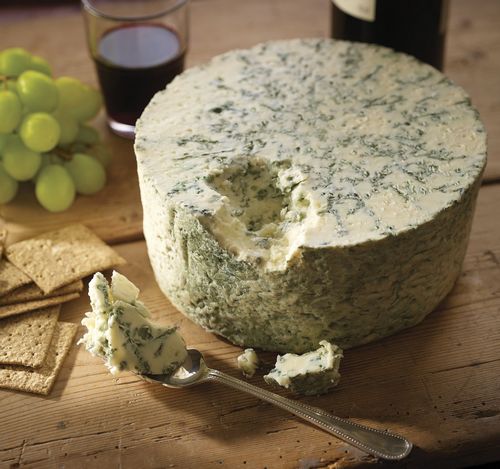
Roquefort cheese – for true cheese connoisseurs. Not everyone can eat it. It has a distinctive, sharp flavor and aroma. It's also moldy. This cheese was first made in France. There, it was a staple among farmers, who loved to eat it with freshly baked bread.
What does it taste like?
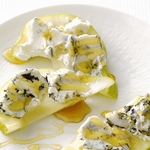
Roquefort is a white, crumbly cheese with veins of green mold and a distinctive aroma. If you close your eyes and place a piece in your mouth, you'll immediately notice the salty, creamy flavor, but that's only until you taste the sharp, pungent taste of the green mold.
A typical Roquefort wheel weighs between 2.5 and 3 kg and is approximately 10 cm thick. Each kilogram of cheese contains 4.5 liters of milk. Roquefort has no rind.
What kind of mold is in cheese?
Some people strongly dislike the sight of green mold and can't stand its pungent odor. They even believe that moldy cheese is spoiled and shouldn't be eaten. But this mold is unusual. It's special and distinguishes Roquefort cheese from all others. It can only be found in French caves. It originally appeared on cheese and bread that was forgotten in the cave. It takes 6 to 8 weeks to grow it to the desired stage. Nowadays, however, Roquefort is not always made in caves, as the necessary mold can be obtained in a laboratory.
Stories and Legends
According to some sources, Roquefort cheese was first mentioned in chronicles dating back to the 11th century.
France is steeped in romance and interesting stories, and Roquefort cheese hasn't escaped this fate. It's said that a shepherd went looking for his sheep, wandered into a cave, saw a beautiful lady passing by, and fell in love with her. So much so that he lost his sheep and forgot his cheese sandwich in the cave. After some time, he returned to the cave and discovered that his cheese had become moldy and even more delicious! And thus, Roquefort was born.
Manufacturers
In 2009, there were 7 major Roquefort producers in the world. The largest of them is "Roquefort Societe" (Socit des Caves de Roquefort), it produces about 60% of the world's Roquefort cheese.
If you are lucky enough to visit French province of Rouergue, don't forget to visit the cheese factory, which is also open to tourists.
How does cheese production influence regional development?
It's said that 4,500 people are involved in the production process, tending sheep on 2,100 farms where milk is produced, and also participating in other cheese-making processes. Nothing else is allowed in Roquefort.
Requirements for Roquefort production:
1. Milk intended for cheese must be delivered to the factory no later than 20 days before the start of production.
2. The sheep whose milk can be used must be of only a certain breed.
3. Sheep must have a pasture; they cannot be kept indoors all the time.
4. At the very least, the grain or other feed that the sheep consume must have been produced in the Roquefort caves area.
5. Fresh and unpasteurized milk must be used to make cheese.
6. The mould used in the production of cheese must only come from French cheese caves.
7. Cheese can only be salted with dry salt.
8. The entire maturation process for Roquefort takes at least 90 days. This must take place in specific caves in the region.
9. Cheese may only be cut, packaged and stored within the boundaries of the town of Roquefort.
When is the best time to buy Roquefort cheese?
Although cheese can be purchased year-round, the best is sold from April to October.
At home, cheese should be stored in its original packaging or in aluminum foil in the bottom of the refrigerator or in the cellar.
Before eating, take the cheese out of the refrigerator 3 minutes beforehand to allow it to warm up a little.
What wine goes well with Roquefort?
If you ask the French about this, they'll all offer a wealth of advice and detailed explanations for their choices. For starters, you might try Roquefort with Médoc and Sauternes wines.
Making a cheese platter
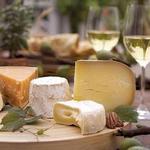
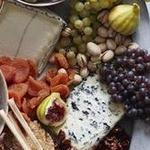
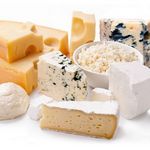
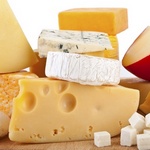
A cheese platter offered as an appetizer should typically include at least three types of cheese. Consider, for example, a soft Brie or Camembert, a blue cheese like Roquefort, and a hard Cantal, Comté, or Beaufort. Serve with a wine that has a tonic and appetizing effect, such as Madeira.
Blue cheese and French folklore
They say that before penicillin was invented, the French applied slices of cheese to open wounds to prevent gangrene. Looks like they were on the right track!
Categories:
Related articles