Is cheese healthy?
Cheese contains various nutrients essential to the human body, such as calcium, vitamins, and minerals. However, it's high in fat, calories, and sodium. So, is it healthy to eat?
Cheese contains various nutrients essential to the human body, such as calcium, vitamins, and minerals. However, it's high in fat, calories, and sodium. So, is it healthy to eat?
Cheese and body weight
Cheese contains a fair amount of fat. If you're struggling with weight, you shouldn't eat it every day. At the very least, choose lower-fat varieties.
If you like to use cheese in hamburgers, pizzas, and hot sandwiches, you should also choose low-fat varieties, as high-fat cheese changes its chemical composition when heated, which is not very healthy.
If you're on a diet, cheese can be consumed in very small quantities. It's important to maintain exercise and a healthy diet.
The content of fat and other elements in different types of cheese:
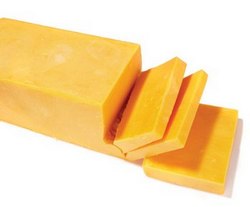
Cheddar
Fat – 9 g;
Proteins – 7 g;
Calcium – 204 mg;
Sodium – 176 mg;
Calories – 114.
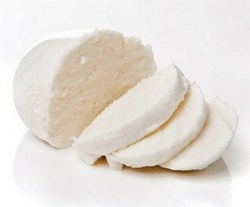
Mozzarella
Fats – 6 g;
Proteins – 6 g;
Calcium – 143 mg;
Sodium – 178 mg;
Calories – 85.
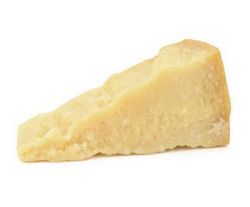
Parmesan
Fats – 7 g;
Proteins – 10 g;
Calcium – 336 mg;
Sodium – 454 mg;
Calories – 111.
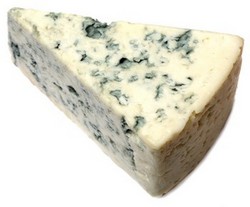
Blue cheese
Fats – 8 g;
Proteins – 6 g;
Calcium – 150 mg;
Sodium – 395 mg;
Calories – 100.
Cheese and Heart Health
People with high blood pressure can eat cheese, but they should eat it in moderation. This is because cheese contains a lot of sodium, or salt, which is harmful for people with hypertension. The sodium content is usually listed on cheese packaging. If the store offers a low-fat and low-sodium option, people with hypertension should choose that one. Those with high cholesterol should also avoid high-fat cheeses.
Cheese and teeth
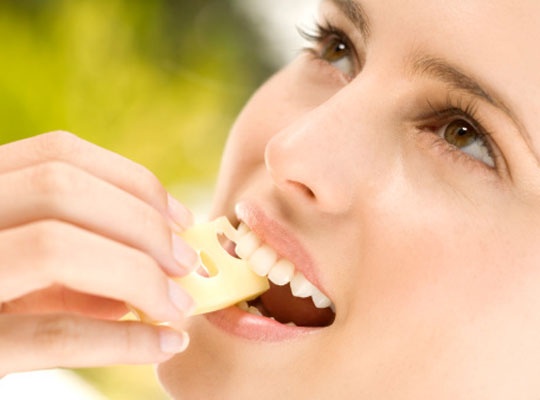
Cheese is not only high in sodium but also in calcium, which is known to strengthen teeth and bones. Calcium also regulates muscle function and blood clotting, hormonal levels, and blood pressure. Adults aged 18 to 50 require approximately 900 mg of calcium daily, while those over 50 require 1,200 mg. The body constantly needs calcium to maintain healthy bones and prevent osteoporosis. Cheese contains enough calcium to maintain calcium levels. Eating cheese also reduces the levels of bacteria in the mouth that can damage teeth.
Cheese and pregnancy
Is it safe to eat cheese during pregnancy? After all, the body needs iron, iodine, calcium, and folate during this time. These nutrients are especially needed during the last trimester. Starting in the fifth month, women are recommended to take 1,000 mg of calcium daily. Eating just 30 grams of cheese per day will help ensure the body gets the necessary calcium.
Thirty grams of cheddar contain 200 mg of calcium. This suggests that cheese is beneficial for pregnant women. However, not all varieties are suitable. Soft feta, brie, goat cheese, and similar cheeses can be contaminated with bacteria called listeria. Eating contaminated cheese can be harmful to the health of the pregnant woman and the fetus. Therefore, only hard cheeses should be consumed during pregnancy.
Cheese as a source of protein
In addition to calcium, cheese is rich in protein. This protein is easily absorbed by the body, so it doesn't overload the digestive system. Cheese is beneficial for those who engage in physical activity, as it promotes muscle recovery, and it's also beneficial for children.
Cheese and lactose intolerance
It's a known fact that some people are lactose intolerant. While some can consume quite large amounts of dairy products before feeling ill, others can't tolerate a drop of dairy or a single piece of cheese. If you know you're lactose intolerant, you shouldn't eat cheese either.
However, as cheese ages, its lactose gradually converts into lactic acid. People who are intolerant to dairy products are actually unable to digest them due to a lack of the lactase enzyme. However, they can digest lactic acid quite well. However, this only applies to those with very mild lactose intolerance.
Cheese and hormones
Cheese is made from the milk of cows, goats, buffalo, and other animals. However, the milk we buy in stores is very different from the milk we get from farms. Nowadays, cows aren't raised solely on pasture. They're injected with various antibiotics and hormones, which can also be transferred to the milk. Since cheese is made from milk, all these medications can end up in the cheese.
Cheese and vegetarianism
Because vegetarians abstain from meat products, many experience vitamin B12 deficiency, which can lead to pernicious anemia. Cheese contains large amounts of vitamin B12, so it can be beneficial for vegetarians.
So, as we see, cheese isn't good or bad for everyone. It should be consumed in moderation to avoid excess weight and high blood pressure. Cheese is also good for teeth. Your diet should be balanced and moderate.
Cheese and body weight
Cheese contains a fair amount of fat. If you're struggling with weight, you shouldn't eat it every day. At the very least, choose lower-fat varieties.
If you like to use cheese in hamburgers, pizzas, and hot sandwiches, you should also choose low-fat varieties, as high-fat cheese changes its chemical composition when heated, which is not very healthy.
If you're on a diet, cheese can be consumed in very small quantities. It's important to maintain exercise and a healthy diet.
The content of fat and other elements in different types of cheese:
Cheddar
Fat – 9 g;
Proteins – 7 g;
Calcium – 204 mg;
Sodium – 176 mg;
Calories – 114.
Mozzarella
Fats – 6 g;
Proteins – 6 g;
Calcium – 143 mg;
Sodium – 178 mg;
Calories – 85.
Parmesan
Fats – 7 g;
Proteins – 10 g;
Calcium – 336 mg;
Sodium – 454 mg;
Calories – 111.
Blue cheese
Fats – 8 g;
Proteins – 6 g;
Calcium – 150 mg;
Sodium – 395 mg;
Calories – 100.
Cheese and Heart Health
People with high blood pressure can eat cheese, but they should eat it in moderation. This is because cheese contains a lot of sodium, or salt, which is harmful for people with hypertension. The sodium content is usually listed on cheese packaging. If the store offers a low-fat and low-sodium option, people with hypertension should choose that one. Those with high cholesterol should also avoid high-fat cheeses.
Cheese and teeth
Cheese is not only high in sodium but also in calcium, which is known to strengthen teeth and bones. Calcium also regulates muscle function and blood clotting, hormonal levels, and blood pressure. Adults aged 18 to 50 require approximately 900 mg of calcium daily, while those over 50 require 1,200 mg. The body constantly needs calcium to maintain healthy bones and prevent osteoporosis. Cheese contains enough calcium to maintain calcium levels. Eating cheese also reduces the levels of bacteria in the mouth that can damage teeth.
Cheese and pregnancy
Is it safe to eat cheese during pregnancy? After all, the body needs iron, iodine, calcium, and folate during this time. These nutrients are especially needed during the last trimester. Starting in the fifth month, women are recommended to take 1,000 mg of calcium daily. Eating just 30 grams of cheese per day will help ensure the body gets the necessary calcium.
Thirty grams of cheddar contain 200 mg of calcium. This suggests that cheese is beneficial for pregnant women. However, not all varieties are suitable. Soft feta, brie, goat cheese, and similar cheeses can be contaminated with bacteria called listeria. Eating contaminated cheese can be harmful to the health of the pregnant woman and the fetus. Therefore, only hard cheeses should be consumed during pregnancy.
Cheese as a source of protein
In addition to calcium, cheese is rich in protein. This protein is easily absorbed by the body, so it doesn't overload the digestive system. Cheese is beneficial for those who engage in physical activity, as it promotes muscle recovery, and it's also beneficial for children.
Cheese and lactose intolerance
It's a known fact that some people are lactose intolerant. While some can consume quite large amounts of dairy products before feeling ill, others can't tolerate a drop of dairy or a single piece of cheese. If you know you're lactose intolerant, you shouldn't eat cheese either.
However, as cheese ages, its lactose gradually converts into lactic acid. People who are intolerant to dairy products are actually unable to digest them due to a lack of the lactase enzyme. However, they can digest lactic acid quite well. However, this only applies to those with very mild lactose intolerance.
Cheese and hormones
Cheese is made from the milk of cows, goats, buffalo, and other animals. However, the milk we buy in stores is very different from the milk we get from farms. Nowadays, cows aren't raised solely on pasture. They're injected with various antibiotics and hormones, which can also be transferred to the milk. Since cheese is made from milk, all these medications can end up in the cheese.
Cheese and vegetarianism
Because vegetarians abstain from meat products, many experience vitamin B12 deficiency, which can lead to pernicious anemia. Cheese contains large amounts of vitamin B12, so it can be beneficial for vegetarians.
So, as we see, cheese isn't good or bad for everyone. It should be consumed in moderation to avoid excess weight and high blood pressure. Cheese is also good for teeth. Your diet should be balanced and moderate.
Votes: 1
Categories:
Related articles