Benefits of legumes
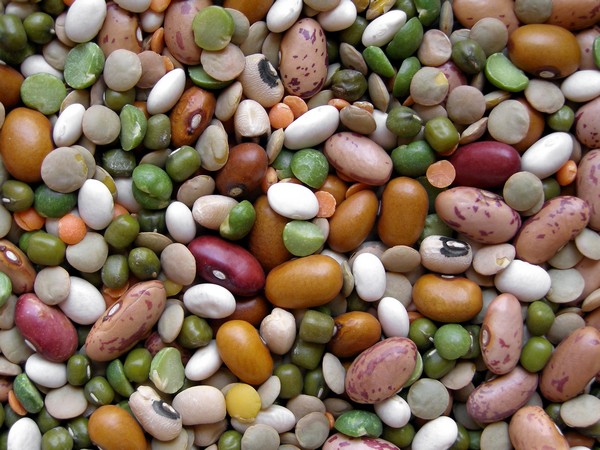
Plants whose fruits ripen in pods are called legumes. This article will teach you about the nutritional value of these plants. Read on to learn why you should eat them regularly.
The following list presents the most common legumes. While not exhaustive, it's sufficient to introduce you to this genus. Legumes can be eaten with spaghetti sauce, added to rice, and in a variety of dishes. They can be used to make lean cutlets, soups, salads, and added to noodles and potatoes.
- Alfalfa
- Asparagus beans
- Asparagus peas
- Dwarf lima beans
- Black beans
- Black Eyed Peas
- Turkish beans
- Broad beans
- White beans
- Chickpeas
- Common beans
- Cocoa beans
- Broad beans
- Feed peas
- French green peas
- Green beans
- Lentils
- Lespedeza
- Liquorice
- Lima beans
- Madagascar beans
- Mexican black beans
- Mexican red beans
- Golden beans
- Green peas
- Sugar snap peas
- Soybeans
- Wax beans
- Russian bean
- Rice beans
- Pinto beans
- Small-seeded beans
1. Vitamins and minerals. These plants contain a complete set of nutrients necessary for human health.
2. Fiber. Beans and lentils contain a lot of it, and it is known to improve digestion and regulate blood sugar and cholesterol levels.
3. Protein. It is protein that promotes faster satiety and is also beneficial for health.
4. Potassium. It helps reduce the effects of sodium, or salt, on blood pressure.
5. Folic acid – an important nutrient that helps prevent birth defects in newborns, so it is important for pregnant women to consume foods that contain it.
6. Magnesium. It is essential for healthy bones and teeth and helps absorb calcium and potassium.
7. Important various elements such as selenium, which has antioxidant properties.
8. Calcium. Legumes contain a large amount of it, so they are useful for maintaining teeth and bones.
9. Legumes are low in calories, and they're low in fat. Eating them can help you avoid gaining excess weight.
10. Legumes have a low glycemic index, although they provide the body with carbohydrates. The starch they contain is slowly absorbed into the bloodstream, without affecting blood sugar levels.
11. Legumes are low in cholesterol., so they can be included in low-cholesterol diets that help prevent heart disease.
12. Vitamin BIt strengthens the nervous system and increases tone.
13. Iron. This essential element is necessary for the production of various enzymes and blood cells in the body. Iron promotes better oxygen supply to cells and improves their function.
Legumes can be sold dried or canned. Canned beans are generally considered more unhealthy than dried beans. If you cook dried beans, soak them first. When buying canned beans, choose those with little or no added salt. Drain the liquid from the cans and rinse the beans before using. Avoid sweetened beans or beans mixed with lard.
Some legumes are grown as ornamental plants, such as lupines. Some legumes yield oils that are later used in industrial processes. Some are also used in dye production.
Votes: 1
Categories
Culinary articles / Culinary Encyclopedia / Cereals, beansSimilar material

The Easiest Succotash

Chocolate Peanut Butter Smoothie

Rice with lentils and carrots in lemon dressing

Perfect lentils

Cowboy caviar

Delicious lentils

Pickled turnips

Fresh zucchini salad with blackberries

Healthy Soup Recipes

Bean and legume soup

Succotash salad

Hearty and healthy minestrone with three types

Pear with ginger and parsnip, stewed in wine

Grilled Eggplant Salad

Escarole salad with fava beans

Noodle and sesame salad

Pasta e fagioli - soup with macaroni and beans
Legumes: Their Advantages and Disadvantages

Blue cheeses: types, benefits and harms

Homemade Irish Black Pudding Sausage

White Bean Puree with Pita Chips

Rice porridge - beneficial properties

Vanilla extract benefits and its advantages

Lentils

Tannin in products

Steamed shrimp dumplings

Avocado: the obvious benefits of this overseas guest!

Cane sugar, benefits

Benefits of potatoes

Corn. History of Origin

Honey is good for tooth enamel

Basil (Reagan)