Legumes: Their Advantages and Disadvantages
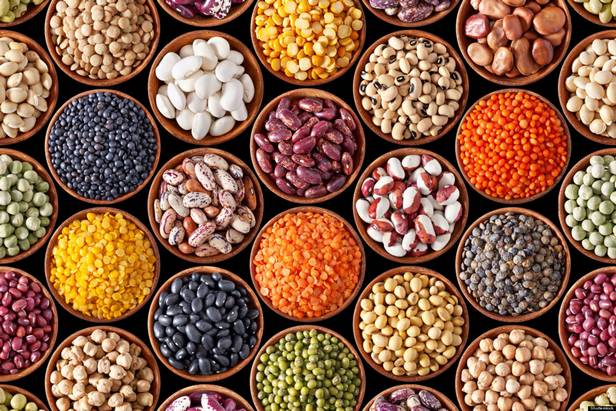
If you avoid legumes, you're missing out. They're rich in a variety of nutrients. They're especially beneficial for those with high cholesterol and those who shouldn't consume animal fats.
What plants are legumes?
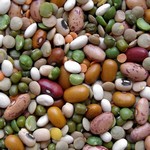
Legumes include beans, lentils, peas, chickpeas, soybeans, and peanuts. The fruits of all these plants ripen in pods. After harvesting, the fruits are collected, removed from the pods, and dried. Legumes are very healthy. They are rich in protein, soluble and insoluble fiber, as well as antioxidants, iron, potassium, magnesium, zinc, selenium, and folate. A major advantage of legumes is that they are low in fat and completely cholesterol-free. However, the human body absorbs legumes differently.
Some people avoid legumes for fear of digestive problems. It's a known fact that these foods can sometimes cause flatulence, especially if consumed in large quantities at once. Legumes take a long time to digest, so don't eat too many at once. You can start introducing legumes into your diet by adding 2-3 tablespoons to a green salad or side dish a couple of times a week. To avoid digestive issues, soak legumes in water for a long time before cooking.
Why do legumes cause flatulence?
Beans, peas, kidney beans, and other similar foods are high in sugars, or oligosaccharides, which the human body cannot digest. Oligosaccharides are large, bulky molecules. The small intestine typically contains enzymes that help break down incoming sugars before they reach the large intestine. With legumes, things are quite different.
Since legumes aren't digested in the stomach and small intestine, they enter the large intestine completely undigested, complete with all their nutrients. Hungry bacteria are waiting for them there, finally able to feast on the sugar. Gas is a byproduct of the bacterial digestion process.
However, despite some difficulties in digesting legumes, they should still be consumed, at least in small quantities, to provide the body with the necessary nutrients.
Author of the article: Natalia Semenova "TopCook"
Votes: 1
Categories
Culinary articles / Culinary Encyclopedia / Cereals, beansSimilar material
Chocolate chip cookies with cottage cheese

11 foods you shouldn't eat before
Baked pumpkin with pickled lentils

Cape Codder cocktail
All-Purpose Bean Soup

Healthy stewed lentils with kale
Sloppy Joe Lentil Sandwich
Heart-Healthy Foods
Foods containing healthy carbohydrates
11 Ways to Add More Fiber to Your Diet
Top 20 Ingredients You Should Have in Your

Mug Cake – Basic Recipe
Creamy pasta and bean salad

Smoked salmon on a cedar plank

Cookies "Anguinetti"
Bean soup with turkey in a slow cooker

Vegetarian Morgan Cutlets

Onion rings in the oven
Baked Kale

Confectionery mastic (fondant mass) at home
Poaching fish in oil - cooking method

Thick-walled pots and cast iron, types and
Papaya: its beneficial properties and how to eat it
Greek cuisine and health

Chinese cuisine at home

Bitter melon tea
Almond flour and its benefits
Benefits of legumes

Food additives in food products

Vanilla extract benefits and its advantages

Red wine
Tannin in products