Red wine

Red wine is made from red, purple, and even blue grapes. However, regardless of color, the grape skins are not included in the wine, as they are permanently removed during fermentation. There are approximately 50 different types of red wine, depending on the grape variety used and the region where the wine is produced. Red wine is delicious with steaks and other dishes; in moderation, it is also known to be quite beneficial for health.
Types and varieties
There are several types of red wine, each with its own unique aroma. The most popular are Pinot Noir, Cabernet Sauvignon, Merlot, Bordeaux, Chianti, and Shiraz. The alcohol content varies depending on the wine. For example, Pinot Noir – a light, almost pink wine, while Cabernet Sauvignon is more robust and tart, with a deep red color and a high alcohol content. Most wines are named after the region in which they were produced. For example, Bordeaux wine is named after the French region of the same name where it is produced.
Advantages
Recent studies have shown that drinking one to two glasses of red wine a day is beneficial for health. This is because this drink contains a large amount of antioxidants, which prevent cell aging. Red wine has been shown to reduce the risk of heart attacks. It also increases HDL (good) cholesterol levels and prevents the formation of LDL (bad) cholesterol.
Wine characteristics
Red wines differ from white wines in that they contain tannins, or tannins. Tannins are what give red wine its astringency and distinctive flavor. Some wines have few tannins, making them light in taste, while others can be very astringent, indicating a high tannin content. It's not just the presence of tannins that matters for wine, but also its density. Density is how the wine feels in your mouth. Wines with low density feel watery, while those with high density feel rich and full-bodied.
Where do they produce?
The taste and quality of a wine are greatly influenced by the region where the grapes used to make it were grown. Even though they are all made from the same grapes, a wine produced in one country will be strikingly different from the same one made in another. This depends on the climate, the length of daylight hours, and the nature of the soil.
Risk factors
Alcohol consumption is harmful to health, and red wine is no exception. The main thing is to drink no more than two glasses of red wine per day. Drinking only this amount will ensure your body receives the necessary amount of antioxidants, and the alcohol in the drink will not cause any harm.
Red wine should be poured into a wide glass, allowing oxygen to penetrate freely to the surface. This improves the wine's flavor. The wine should be served at a temperature between 15 and 18°C. Higher or lower temperatures will result in a bitter taste or excessive alcohol content.
All recipes with red wine
Similar material

Sweet rose
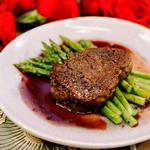
Simple wine sauce with black pepper
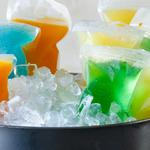
A cocktail of your favorite team in pouches

The best mulled wine

Blueberry Merlot Manhattan Cocktail
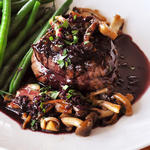
Filet mignon with wine sauce and mushrooms
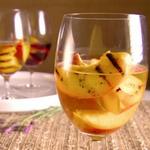
Fried peaches in wine
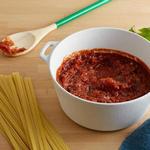
Marinara sauce for pasta
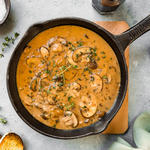
Marsala sauce

Sangria: Preparation Options

Red Spicy Cinnamon Cookies from a Syringe Press

Cherry Gingria (Sangria with Gin)
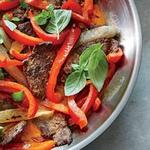
Red Thai Beef Curry

What can be used as a substitute for Burgundy wine in cooking?

6 Spanish Wines Few People Have Tried
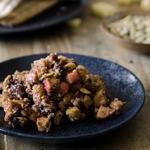
Easter apple dessert "Haroset"

Red Thai curry with couscous
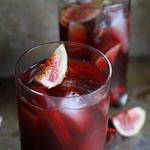
Orange and pomegranate sangria

Citrus yogurt with figs
Jamaican Chicken, Rice, and Beans Dinner

Hot sangria
Vegetable soup with lentils

Cider and Spice Cocktail

Delicious. Fast. Fashionable.

What wine goes with fish and seafood?

Merlot

Pinot Noir wine

French onion soup

How to choose wine

Hot sangria with cinnamon

Red wine punch

Mulled wine
Appetizers
Beer snacks
Cheese appetizers
Sandwiches
Snacks
Canapes
Assorted appetizers
Snacks with sauces
Meat appetizers
Fish appetizers
Vegetable appetizers
Egg appetizers
Soups
Cold soups
Creamy soups
Cream soups
Soups with dressings
Clear soups
Vegetable soups
Thick soups, stews
Meat soups
Fish soups
Soups with pasta and cereals
Main courses
Meat
Bird, game
Side dishes
Vegetables, mushrooms
Fish, seafood
Cereals, legumes
Eggs, dairy products
Pasta
Casseroles
Salads
Warm salads
Vegetable salads
Leafy salads
Fruit salads
Salads with cereals and pasta
Salads with meat
Salads with fish
Salads with eggs
Salads with beans
Salads with bread
Fast food
Hamburgers
Sandwiches
Hot dogs
Pizzas
Hot sandwiches
Tortilla Dishes
Pita dishes
Pancakes
Sauces for fast food
Deep-fried dishes
Sauces
Seasonings
Gravies
Dips
Spreads
Barbecue glazes and sauces
Salad dressings
Oil mixtures
Emulsion sauces
Sweet sauces
Hot sauces
Sauces for fast food
Grill, barbecue
Grilled meat
Grilled poultry
Grilled fish
Smoked dishes
Grilled vegetables and fruits
Grilled flour products
Barbecue glazes and sauces
Bakery
Savory pies, pizzas
Homemade bread
Potato pancakes, pancakes
Unsweetened buns, pies
Unsweetened cookies and muffins
Desserts
Cupcakes
Fruit desserts
Cookie
Cakes
Donuts, pies, buns
Candies and small sweets
Creams, sauces, mousses, puddings
Soufflé, meringues, meringues
Jelly
Ice cream, sorbets
Cakes
Sweet pies, tarts
Pancakes, fritters, waffles, toast
Breakfast cereals, granola, muesli
Drinks
Milkshakes
Smoothies, granitas
Coffee and chocolate based drinks
Fruit drinks, juices
Tea and herbal drinks
Hot drinks
Alcoholic cocktails
Cocktails with vodka
Cocktails with gin
Whiskey cocktails
Cocktails with wine
Cocktails with brandy, cognac
Cocktails with absinthe
Cocktails with rum
Cocktails with sparkling wine
Tequila cocktails
Cocktails with beer
Cocktails with liqueurs
Frozen cocktails
Cooking methods
Air fryer
Pressure cooker
Cold dishes
Multicooker
Stuffed dishes
Deep-frying
Double boiler
Pan
Baking tray
Foil
Oven
Roaster
Mixer
Blender
Brazier
Food processor
Microwave
Wok
Pickled dishes
Dried and cured foods
Pickled dishes
Poached dishes
Salty dishes
Smoked dishes
Canned goods
Seasonal dishes
Festive dishes
New Year
Christmas
Valentine's Day
March 8
Easter
May 1st
Halloween
Birthday
Party Dishes
Wedding dishes
Cocktail party
Dinner party
Mother's Day
Cuisines of the world
European
French
Italian
Spanish
Greek
English
Irish
German
Portuguese
Austrian
Polish
Russian
Scandinavian Swedish
Asian Chinese Japanese Thai Vietnamese Korean Filipino
Arabic Jewish Turkish
Indian
African Moroccan
American Hawaiian Cajun Canadian Tex-Mex
Latin American Mexican Venezuelan Argentine Brazilian
Caribbean Cuban Jamaican
Scandinavian Swedish
Asian Chinese Japanese Thai Vietnamese Korean Filipino
Arabic Jewish Turkish
Indian
African Moroccan
American Hawaiian Cajun Canadian Tex-Mex
Latin American Mexican Venezuelan Argentine Brazilian
Caribbean Cuban Jamaican
Categories
Breakfasts
Lunches
Dinners
Children's dishes
Dishes for future use
Budget recipes
Comfort food
Recipes for one
Recipes for two
Picnic
Backyard Recipes
Dishes for fans
Movie Night Dishes
Cooking methods
Food Network Recipes
Recipe collections
Recipes by ingredients
Healthy eating
Healthy breakfasts
Lunches
Dinners
Healthy snacks
Dishes rich in fiber
Gluten-free dishes
Low sodium content
Low-calorie dishes
Dishes for diabetics
Low-carb meals
Low fat content
Low cholesterol
Calorie content of prepared meals
Vegetarian dishes
Vegan dishes