How to choose wine
The question of how to choose wine is a common question for most lovers of this noble and incredibly delicious beverage, and it's not surprising. Today, the range of wines available is incredibly vast, and it's becoming increasingly difficult for buyers to choose: rosé, white, or red, semi-sweet or semi-dry, vintage or table. Furthermore, there's a high risk of purchasing a low-quality or counterfeit wine.
In this article, you'll find answers to questions about where and how to choose wine, as well as how to distinguish real from counterfeit.
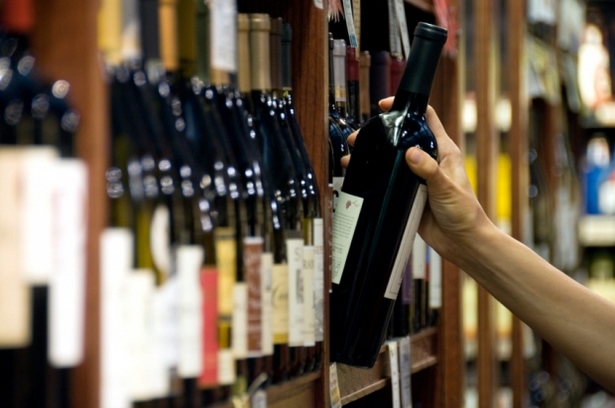
The question is how to choose wine, asks most lovers of this noble and incredibly tasty drink, and it's not surprising. Today, the range of wines available is incredibly vast, and it's becoming increasingly difficult for buyers to choose: rosé, white, or red, semi-sweet or semi-dry, vintage or table. Furthermore, there's a high risk of purchasing a low-quality or counterfeit wine.
In this article, you'll find answers to questions about where and how to choose wine, as well as how to distinguish real from counterfeit.
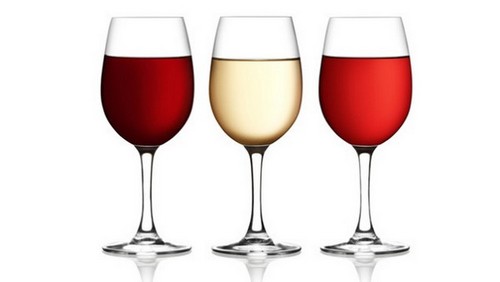
Wine categories and classification
Knowing the types, categories, and classifications will help you better decide which wine to choose.
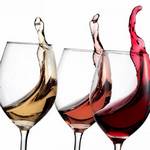
1) It's no secret to many that wines are divided into three types by color: white, red, and rosé. Bottles of French wines will be labeled "Blanc" (white), "Rouge" (red), and "Rose" (pink). Italian bottles will be labeled "Bianco" (if the wine is white), "Rosso" (if red), and "Rosado" (if rosé).
2) Depending on the amount of carbon dioxide they contain, wines are divided into two groups: sparkling and still. Still wines will have minimal carbon dioxide content, while sparkling wines will contain a large amount.
3) Based on sugar content, they are divided into dry and semi-dry, as well as dessert wines – sweet and semi-sweet. Dry wine will contain from 4 to 6 g of sugar per liter. Semi-dry wines will contain from 4-12 to 6-20 g per liter. Semi-sweet wines will contain from 12-20 to 45 g per liter, and sweet wines will contain the highest amount of sugar – over 45 g per liter.
4) Wines are classified by alcohol content into fortified and naturally fermented wines. The maximum alcohol content for fortified wines is 23%, while for naturally fermented wines, it's 18%.
5) You should also know that wines are classified by the grape variety they contain. According to this classification, they are divided into mono-varietal wines—wine made from only one grape variety—and blended wines—wine made from several grape varieties.
6) Knowing whether it's a vintage wine or a table wine (ordinary) can also help you decide which wine to choose. Vintage wines are among the highest-quality wines worldwide. By choosing a drink in this category, you're guaranteed to find the right quality.
The pinnacle of quality in French wine is the AOC designation. In Italian wine, the DOCG designation is a sign of high quality.
You can find information about the wine's classification on the label.
Tips for choosing wine
Once you've become familiar with the types and classifications, you may feel more informed, but the question of where and how to choose wine will still remain unresolved.
First, I'd like to point out that you won't find any good wine in a cheap supermarket. For such a purchase, you'll need to go to a specialty store or wine boutique. Such stores have always valued their reputation, and they carefully select only high-quality wines. The likelihood of purchasing low-quality or counterfeit wine is practically zero.
Furthermore, specialized wine boutiques always adhere to specific storage standards for wines. They ensure that wines are stored under the correct lighting and temperature, and strictly horizontally.
A huge advantage of wine shops is the presence of sommeliers—professionals who understand all the intricacies of wine science. They will always help you choose the right wine for your holiday table and recommend the best pairings with various dishes.
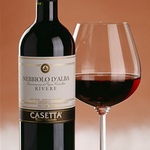
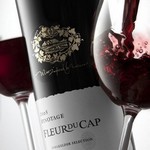
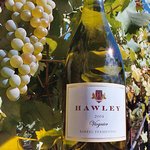
When choosing a wine, always read the label carefully. It will help you determine whether it's powdered or natural. The label will also indicate the year of production of your chosen wine (which in itself is a sign that it's genuine) and its category. It will also indicate the certification code, the name of the company producing the wine, and full information about its location.
If you're wondering whether to choose a glass bottle or a paper bag for your wine, glass is the right choice. It preserves the individual flavors of each wine. Furthermore, a glass bottle can serve as additional proof of authenticity, as most reputable producers choose to place their own stamp or hologram on it.
Wine served in paper bags is a clear sign of cheapness. Furthermore, experts warn against drinking such wine; it should only be used in cooking.
Finally, pay attention to the cork. As with choosing a bottle, a plastic cork is a sign of low-quality wine. Only corks made from natural materials allow wine to breathe properly and preserve the richness of its flavor. If there are white or red crystals on the inside of the cork, the wine you've chosen is of the highest quality. The presence of mold, however, indicates improper storage.
Follow the above tips, and then the problem of choosing wine will be a thing of the past forever.
Good luck in your choice!
In this article, you'll find answers to questions about where and how to choose wine, as well as how to distinguish real from counterfeit.
Wine categories and classification
Knowing the types, categories, and classifications will help you better decide which wine to choose.
1) It's no secret to many that wines are divided into three types by color: white, red, and rosé. Bottles of French wines will be labeled "Blanc" (white), "Rouge" (red), and "Rose" (pink). Italian bottles will be labeled "Bianco" (if the wine is white), "Rosso" (if red), and "Rosado" (if rosé).
2) Depending on the amount of carbon dioxide they contain, wines are divided into two groups: sparkling and still. Still wines will have minimal carbon dioxide content, while sparkling wines will contain a large amount.
3) Based on sugar content, they are divided into dry and semi-dry, as well as dessert wines – sweet and semi-sweet. Dry wine will contain from 4 to 6 g of sugar per liter. Semi-dry wines will contain from 4-12 to 6-20 g per liter. Semi-sweet wines will contain from 12-20 to 45 g per liter, and sweet wines will contain the highest amount of sugar – over 45 g per liter.
4) Wines are classified by alcohol content into fortified and naturally fermented wines. The maximum alcohol content for fortified wines is 23%, while for naturally fermented wines, it's 18%.
5) You should also know that wines are classified by the grape variety they contain. According to this classification, they are divided into mono-varietal wines—wine made from only one grape variety—and blended wines—wine made from several grape varieties.
6) Knowing whether it's a vintage wine or a table wine (ordinary) can also help you decide which wine to choose. Vintage wines are among the highest-quality wines worldwide. By choosing a drink in this category, you're guaranteed to find the right quality.
The pinnacle of quality in French wine is the AOC designation. In Italian wine, the DOCG designation is a sign of high quality.
You can find information about the wine's classification on the label.
Tips for choosing wine
Once you've become familiar with the types and classifications, you may feel more informed, but the question of where and how to choose wine will still remain unresolved.
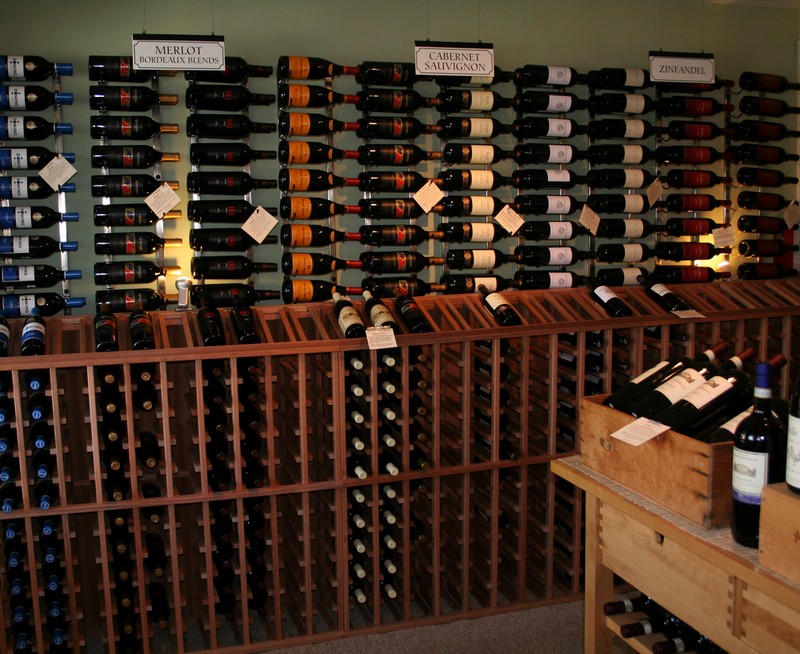
First, I'd like to point out that you won't find any good wine in a cheap supermarket. For such a purchase, you'll need to go to a specialty store or wine boutique. Such stores have always valued their reputation, and they carefully select only high-quality wines. The likelihood of purchasing low-quality or counterfeit wine is practically zero.
Furthermore, specialized wine boutiques always adhere to specific storage standards for wines. They ensure that wines are stored under the correct lighting and temperature, and strictly horizontally.
A huge advantage of wine shops is the presence of sommeliers—professionals who understand all the intricacies of wine science. They will always help you choose the right wine for your holiday table and recommend the best pairings with various dishes.
When choosing a wine, always read the label carefully. It will help you determine whether it's powdered or natural. The label will also indicate the year of production of your chosen wine (which in itself is a sign that it's genuine) and its category. It will also indicate the certification code, the name of the company producing the wine, and full information about its location.
If you're wondering whether to choose a glass bottle or a paper bag for your wine, glass is the right choice. It preserves the individual flavors of each wine. Furthermore, a glass bottle can serve as additional proof of authenticity, as most reputable producers choose to place their own stamp or hologram on it.
Wine served in paper bags is a clear sign of cheapness. Furthermore, experts warn against drinking such wine; it should only be used in cooking.
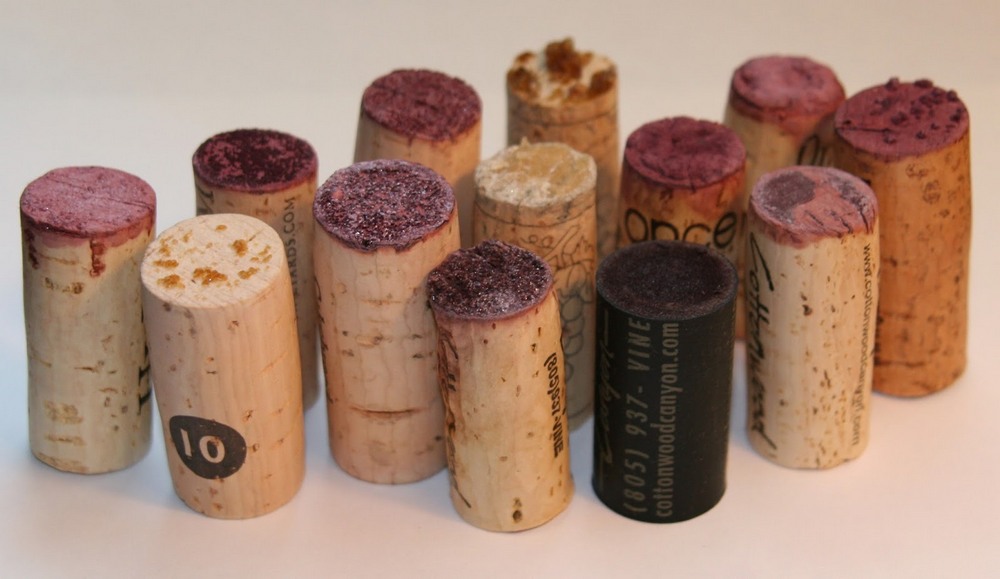
Finally, pay attention to the cork. As with choosing a bottle, a plastic cork is a sign of low-quality wine. Only corks made from natural materials allow wine to breathe properly and preserve the richness of its flavor. If there are white or red crystals on the inside of the cork, the wine you've chosen is of the highest quality. The presence of mold, however, indicates improper storage.
Follow the above tips, and then the problem of choosing wine will be a thing of the past forever.
Good luck in your choice!
Votes: 1
Categories:
Related articles