How to choose a grill
So, you've decided to buy a grill. If this is your first time buying this type of appliance, whether you go to your local appliance store or visit a reputable manufacturer's website, you'll still be faced with the question of how to choose one.
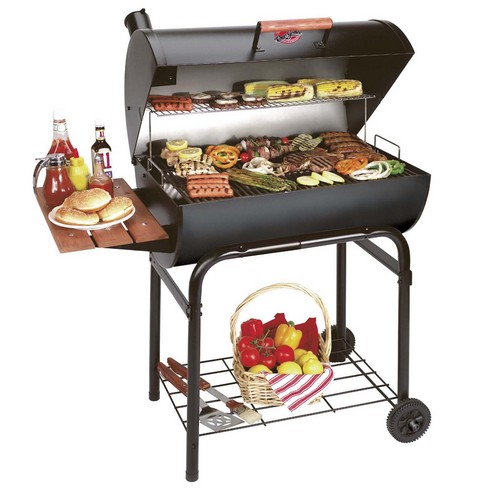
So, you've decided to buy a grill. If this is your first time buying this type of appliance, whether you go to your local appliance store or visit a reputable manufacturer's website, you'll still be faced with the question of how to choose one. What heating power should a grill have? What size grill is best? Should it be charcoal, gas, electric, or wood-burning? Which one is the most reliable and at the same time the easiest to use?
Below is a general overview of the advantages and disadvantages of each type of grill.
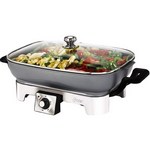
Electric grills They're the easiest to use, but they don't produce a smoky flavor. They heat up quickly and require nothing more than a nearby electrical outlet. That's perhaps their only advantage.
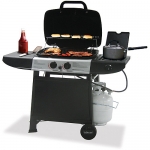
Gas grills They're convenient, and the food they cook on is delicious. However, they require a lot of space, as a gas grill can't fit close to some appliances. Furthermore, a gas grill requires either a central gas connection or a gas cylinder, which must be constantly monitored to ensure it's full. The biggest advantage of a gas grill is that once it's preheated, it can cook for at least 10 minutes. When purchasing a gas grill, find out whether a gas cylinder is included or whether you need to purchase one separately. Gas is much cheaper than charcoal or wood briquettes, so a gas grill can save you significant money in the long run if you plan to cook a lot.
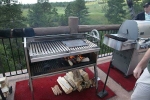
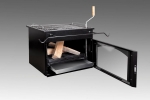
Wood-burning grillsThey're quite convenient and add a wonderful aroma to any food, but they're more expensive and can't be used indoors due to fire safety regulations. Furthermore, wood briquettes aren't widely available and are more expensive than other fuels.
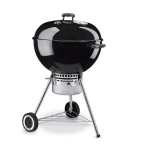
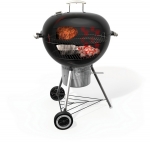
Charcoal grills They're affordable, easy to use, and produce excellent food, but they're impossible to use in a small, enclosed space. Plus, there's the constant fuss of lighting the charcoal: it takes 20 to 30 minutes from the moment you light it to the moment you start cooking. Furthermore, charcoal isn't as easy to extinguish as gas or electric grills. Even though charcoal grills are significantly cheaper than gas grills (ranging from $50 to $2,500), the price of charcoal makes the two evenly matched.
Expert advice: Avoid all kinds of extra features on your grill. Multiple grilling surfaces with different levels, built-in refrigerators and smokers, side burners, and lighting—all of these not only make your grill more expensive but also make them more likely to break down and wear out quickly. Buy only the features you really need.
Consider what your grill is made of. Typically, the main body of the grill is made of sheet steel, cast aluminum, cast iron, or stainless steel. Stainless steel is the most expensive material and the preferred choice for professional food equipment. But not all stainless steel is created equal. Some manufacturers try to cut corners on metal, which is why many stainless steel grills begin to rust very quickly. Remember: cast aluminum lasts much longer than even the best stainless steel.
When it comes to the size of the grill you're buying, consider what you'll be using it for. Are you planning to cook for a large group or just a few people? The grill's size, and therefore its cost, depends on the cooking surface area.
General rule for grill maintenance: Any grill, regardless of price or quality of materials, needs to be cleaned regularly and kept closed. Careful maintenance will prolong the life of even the most basic and inexpensive grill.
We invite you to familiarize yourself with grilled food recipes.
Below is a general overview of the advantages and disadvantages of each type of grill.
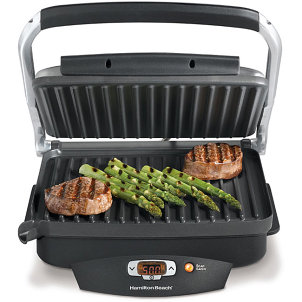
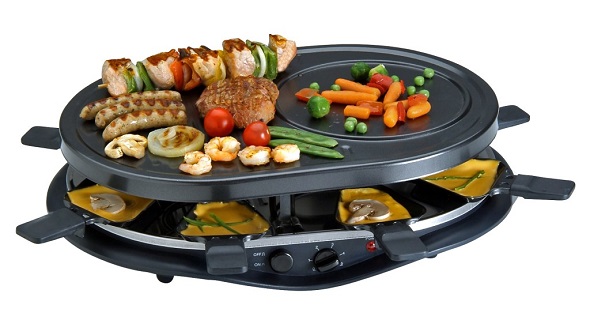
Electric grills They're the easiest to use, but they don't produce a smoky flavor. They heat up quickly and require nothing more than a nearby electrical outlet. That's perhaps their only advantage.
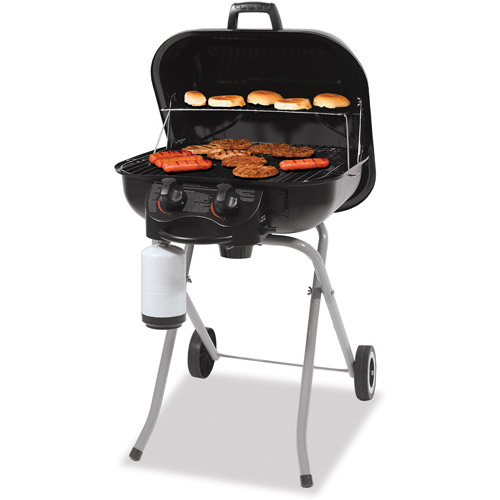
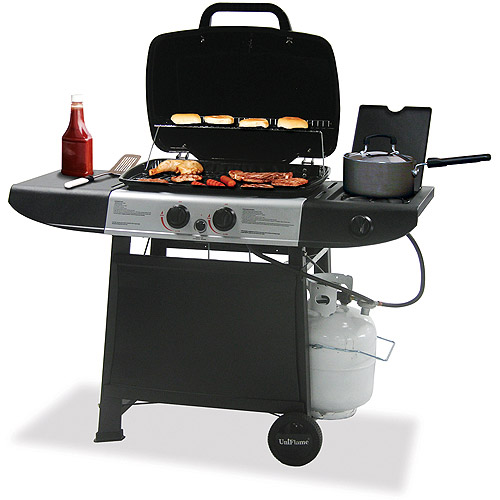
Gas grills They're convenient, and the food they cook on is delicious. However, they require a lot of space, as a gas grill can't fit close to some appliances. Furthermore, a gas grill requires either a central gas connection or a gas cylinder, which must be constantly monitored to ensure it's full. The biggest advantage of a gas grill is that once it's preheated, it can cook for at least 10 minutes. When purchasing a gas grill, find out whether a gas cylinder is included or whether you need to purchase one separately. Gas is much cheaper than charcoal or wood briquettes, so a gas grill can save you significant money in the long run if you plan to cook a lot.
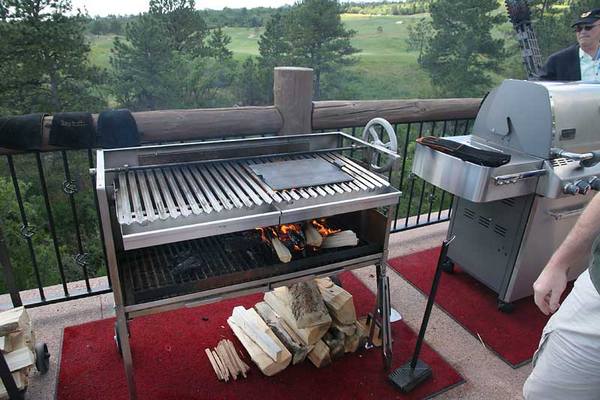
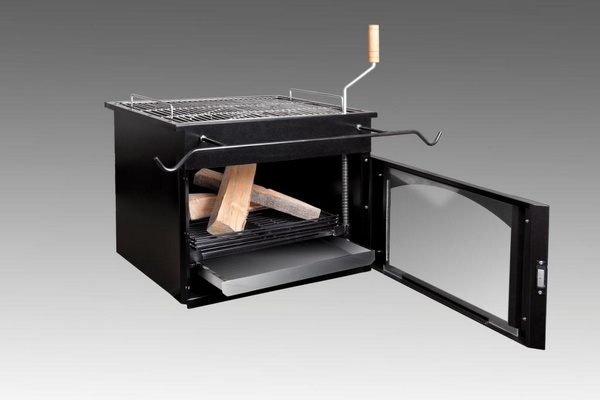
Wood-burning grillsThey're quite convenient and add a wonderful aroma to any food, but they're more expensive and can't be used indoors due to fire safety regulations. Furthermore, wood briquettes aren't widely available and are more expensive than other fuels.
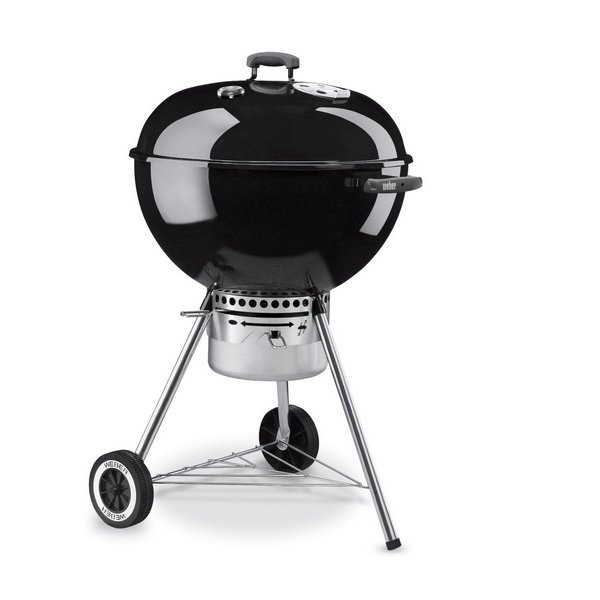
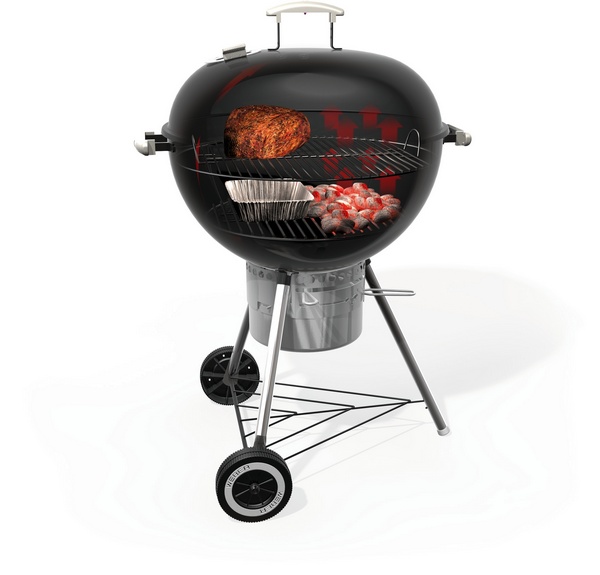
Charcoal grills They're affordable, easy to use, and produce excellent food, but they're impossible to use in a small, enclosed space. Plus, there's the constant fuss of lighting the charcoal: it takes 20 to 30 minutes from the moment you light it to the moment you start cooking. Furthermore, charcoal isn't as easy to extinguish as gas or electric grills. Even though charcoal grills are significantly cheaper than gas grills (ranging from $50 to $2,500), the price of charcoal makes the two evenly matched.
Expert advice: Avoid all kinds of extra features on your grill. Multiple grilling surfaces with different levels, built-in refrigerators and smokers, side burners, and lighting—all of these not only make your grill more expensive but also make them more likely to break down and wear out quickly. Buy only the features you really need.
Consider what your grill is made of. Typically, the main body of the grill is made of sheet steel, cast aluminum, cast iron, or stainless steel. Stainless steel is the most expensive material and the preferred choice for professional food equipment. But not all stainless steel is created equal. Some manufacturers try to cut corners on metal, which is why many stainless steel grills begin to rust very quickly. Remember: cast aluminum lasts much longer than even the best stainless steel.
When it comes to the size of the grill you're buying, consider what you'll be using it for. Are you planning to cook for a large group or just a few people? The grill's size, and therefore its cost, depends on the cooking surface area.
General rule for grill maintenance: Any grill, regardless of price or quality of materials, needs to be cleaned regularly and kept closed. Careful maintenance will prolong the life of even the most basic and inexpensive grill.
We invite you to familiarize yourself with grilled food recipes.
Votes: 1
Categories:
Related articles