Tannin in products
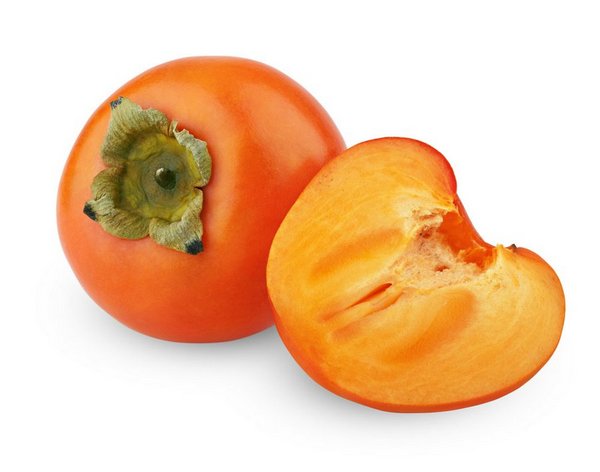
Tannin Tannin is a tannin, or astringent, substance that acts as an antioxidant. It's found in many foods. Tannins are found in plants, tree bark, seeds, and fruit peels. They give some foods and drinks their characteristic astringent taste. If you experience excessively dry gums after eating certain foods, it's because they contain astringents.
So what foods contain tannin?
We present to you products containing tannin.
1. Red wine. Tannins are found in the skins, seeds, and stems of grapes. They create the uniquely soft yet rich flavor of wine. They prevent spoilage and prevent oxidation. Tannin is also found in the oak barrels in which wine is aged. It enhances the aroma and flavor of wine. Wines with high tannin levels include Nebbiolo, Cabernet Sauvignon, and Tempranillo.
2. Strong black tea. Catechins, antioxidants naturally present in green tea, oxidize to form a specific type of tannin, thearubigin, which is found in black tea. This doesn't necessarily mean that all black teas contain thearubigin. Some types of tea, such as oolong, only their black color resembles black, since their leaves are fried, although they are not at all.
In addition to wine and tea, tannins are found in apple cider, beer, and grape juice.
3. Chocolate and cocoa powder. Chocolate liqueur, which is a liquid form of both solid chocolate and cocoa butter, contains a very high amount of tannin—about 6%. White and milk chocolate are known to contain significantly less of this substance than dark chocolate.
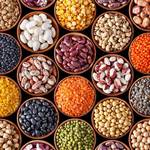
4. Legumes. Legumes are grains that grow in pods. They are rich in protein, minerals, and vitamins. Legumes include beans, peas, and lentils. These lean foods contain large amounts of tannin. Dark-colored legumes, such as red or black beans, contain more tannin than light-colored ones.
5. Fruits. Tannins are found in the peel of the fruit. Therefore, the tannin concentration in apple peel is higher than in an apple without the peel. Pomegranates, persimmons, apples, and berries such as blueberries, blackberries, cherries, and cranberries are the highest in tannin.
6. NutsNuts that are eaten fresh—peanuts, hazelnuts, walnuts, pecans, and cashews—are among them. Soaking them in water significantly reduces their tannin content.
7. Cereals. There is especially a lot of tannin in the bran of cereal crops, barley and sorghum.
In addition to the above-mentioned foods, tannins are found in vegetables such as rhubarb and all varieties of pumpkin, as well as herbs such as cinnamon, cloves, thyme, and vanilla. For a long time, tannin was considered a completely useless substance. However, the recent discovery of its high antioxidant content undoubtedly makes it very beneficial for human health.
Votes: 1
Categories
Culinary articlesSimilar material

Metemgi

11 Unobvious Sources of Trans Fats

Choose foods over supplements

Warm Hibiscus Punch
Best sources of plant-based protein

15 foods that ruin your skin

10 foods you should eat more often

Teach Your Kids: 10 Healthy Eating Habits
11 Ways to Add More Fiber to Your Diet

14 Ways to Use Baby Carrots

The best foods to boost immunity

Foods for healthy digestion

When the fridge is empty: winter dishes from

Molasses Corn Muffins

Crispy chocolate bars with nuts

How to avoid food poisoning on New Year's Eve
Foods rich in manganese

Why is kosher cuisine in fashion?

7 foods with a long shelf life
Legumes: Their Advantages and Disadvantages
Persimmon: its beneficial properties, how to choose and store it
Coconut products, composition, replacement

How to save on groceries?

Greek cuisine and health

What to fill the refrigerator and freezer with?

Helpful cooking tips
What is gelatin made of?

Food additives in food products

Lime juice - beneficial properties and ways to combat it

15 foods that should always be stored in

How to get rid of insects in your pantry

Tannin