Teach Your Kids: 10 Healthy Eating Habits
Votes: 12
We'll tell you how to guide children toward healthy eating.
Household habits
To ensure your child develops healthy eating habits, start instilling them at an early age. By using fun and engaging ways to interact with food, you can help your child develop a healthy relationship with it. We've compiled 10 tips to help you instill healthy eating habits in your child for life.
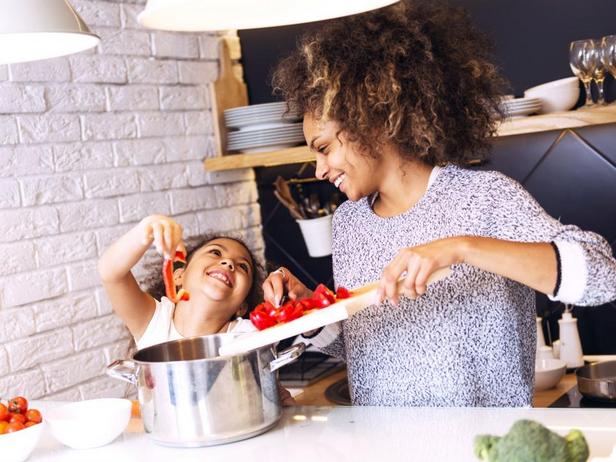
Let them cook too
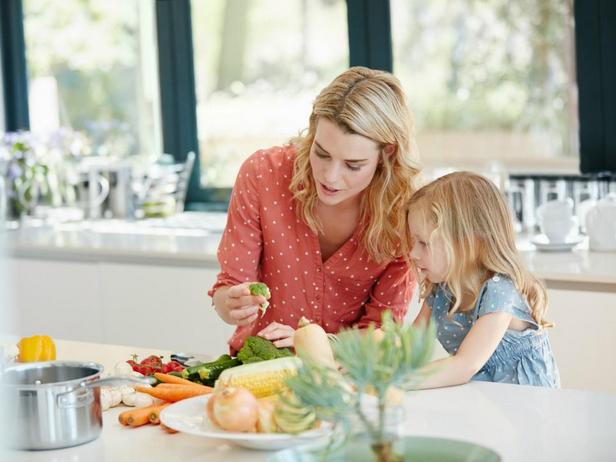
One of the best ways to get children to love food is to let them participate in its preparation. Let your child help you choose healthy recipes to cook together in the kitchen. Young children can help stir and pour, while older children can be responsible for weighing ingredients and using kitchen utensils like a garlic press or blender (with your supervision and assistance).
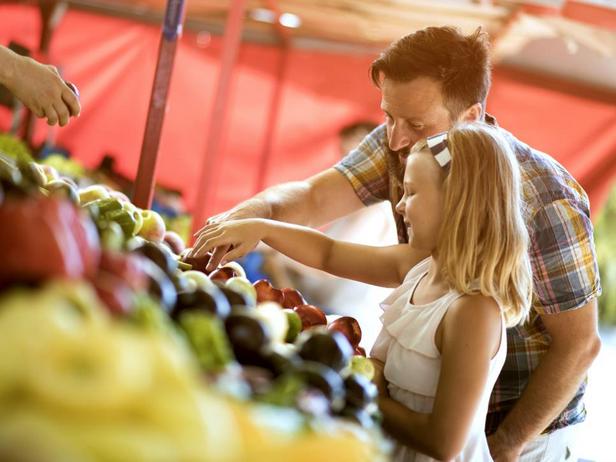
Explore the farm store's selection
To help your child learn about seasonal vegetables, fruits, and local produce like meat and eggs, take them to the farm store regularly. Talk to them about seasonal produce, sample different fruits and vegetables together, and discuss how to prepare them at home. You can also engage local farmers in conversation, who will share a wealth of useful information about what you're buying with you and your children.
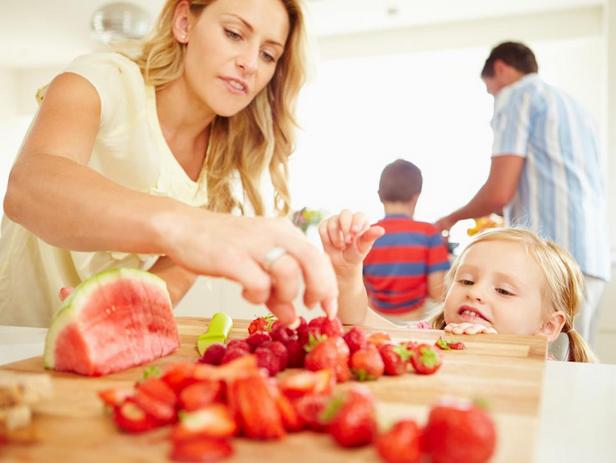
Plan snacks together
Children need to understand that snack time isn't a time specifically reserved for eating unhealthy foods like candy. Sit down with your child and plan a few snacks together featuring their favorite healthy foods, such as unsmoked cheese with grapes, carrots with hummus, or whole-grain crackers with nut butter.
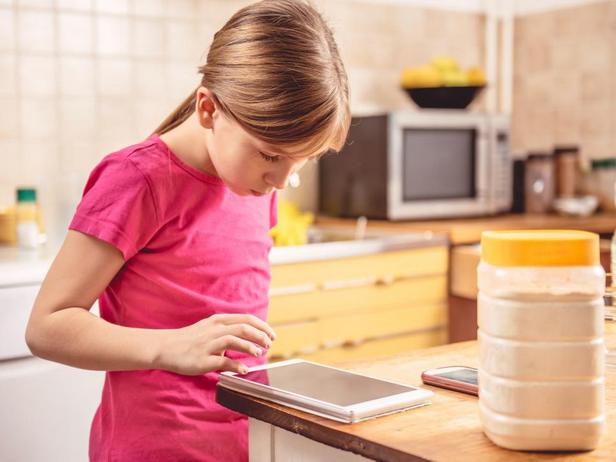
Put your devices away
Devices like smartphones and tablets are the enemy of mindful eating. Set aside a special bowl for family members (parents included) to store their portable devices before meals. This way, everyone can sit down, relax, and enjoy their meal.
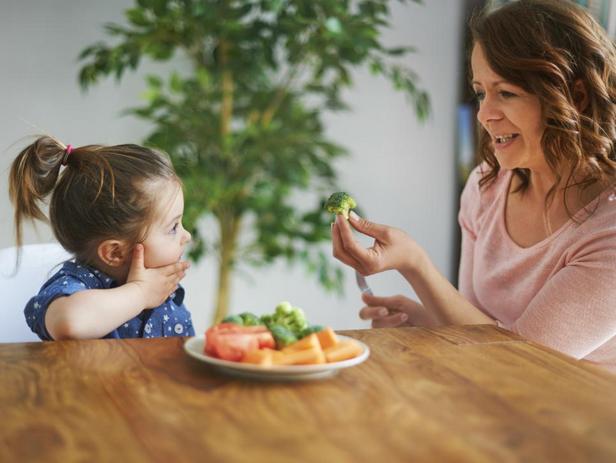
Maintain a positive atmosphere
Don't force your child to eat something they don't like, and don't use food as a reward—this paints food in a negative light. It's better to maintain a positive atmosphere: allow your child to try new foods if they're interested. Smelling and touching food (without eating it) is just as important as eating it. A child usually needs to interact with a new food 20 to 30 times before finally accepting it. And, of course, a few encouraging words can make a big difference.
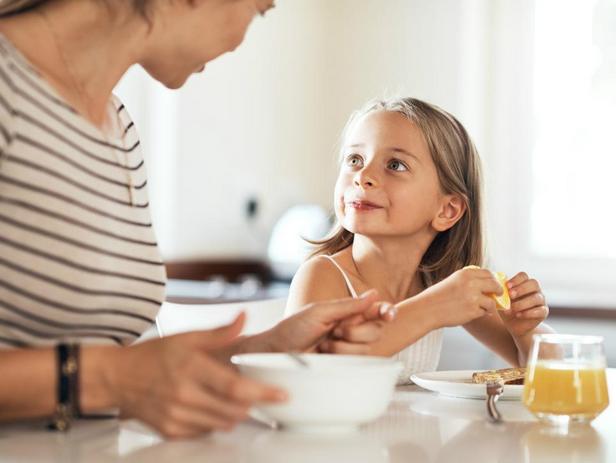
Be a role model
Children learn by observing adults. If you show your children that you're trying to eat healthy and make healthier choices, they'll be more mindful of their own health decisions.
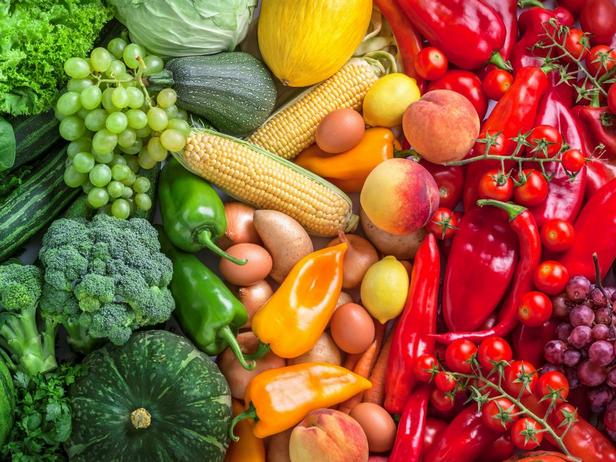
Make your lunch colorful
Experts from the Ministry of Agriculture recommend that half your plate should be filled with fruits and vegetables. Encourage your children to use this principle at every meal. See how many colors they can fit on their plate. Keep a chart of the results, or have each child list the colors on their plate out loud.
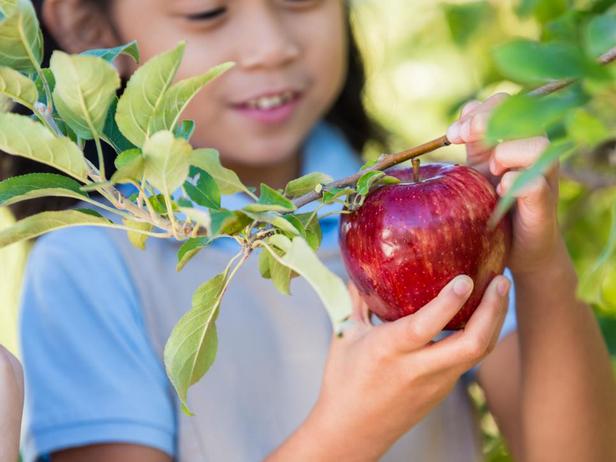
Visit the farm
The best way to learn where the food on your table comes from is to visit a farm and pick the produce yourself. Many farmers have designated times for visits. Find a local farm where shoppers can pick their own fruits and vegetables to buy later (for example, apples in the fall and berries in the spring).
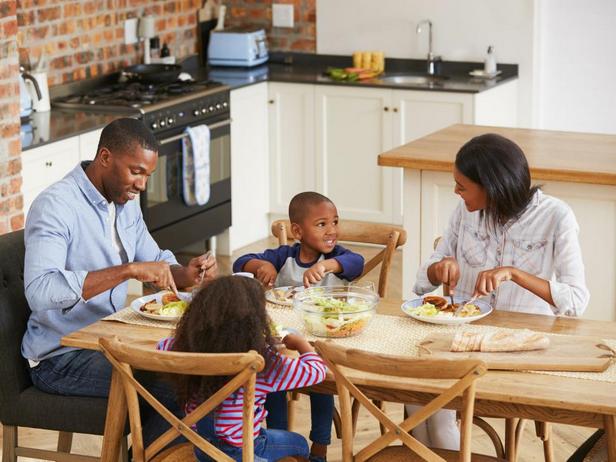
Have lunch together as a family
Half the battle in eating healthy is creating a relaxed atmosphere during dinner. Enjoyable family conversations and enjoying food in a cozy atmosphere are all part of a healthy eating regimen.

Physical education is also important
Exercise and a healthy diet go hand in hand. Encourage your child to join any activity they enjoy: from baseball to swimming, from ballet to cycling. You can head to the park or courtyard to play soccer or basketball, or take an afternoon walk with the whole family. If children are introduced to physical activity at an early age, they are more likely to maintain this healthy habit later in life.
Categories:
Recipe collections




Similar recipes