Safe Food While Traveling
A food safety expert shares tips for healthy eating on the go.
Healthy habits
Whether you travel by car, plane, or train, the healthy eating habits you maintain at home can be disrupted on the road. Follow these 10 simple tips to avoid health problems while traveling.
Keep track of time
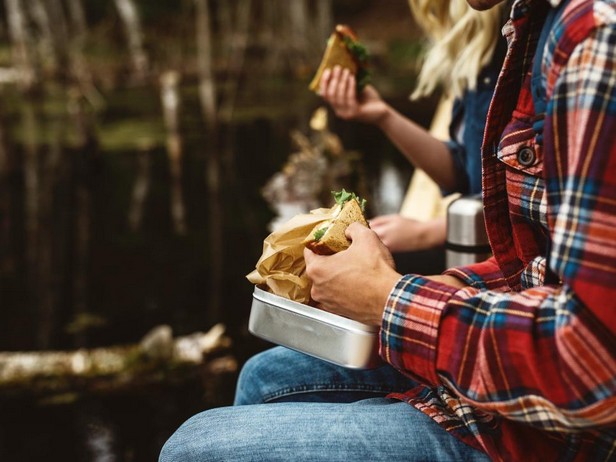
It's easy to lose track of time on a long trip. Without refrigeration, foods like yogurt, chicken sandwiches, or hummus are ideal breeding grounds for bacteria. These foods should be eaten within four hours or thrown out.
Separate raw foods from cooked foods
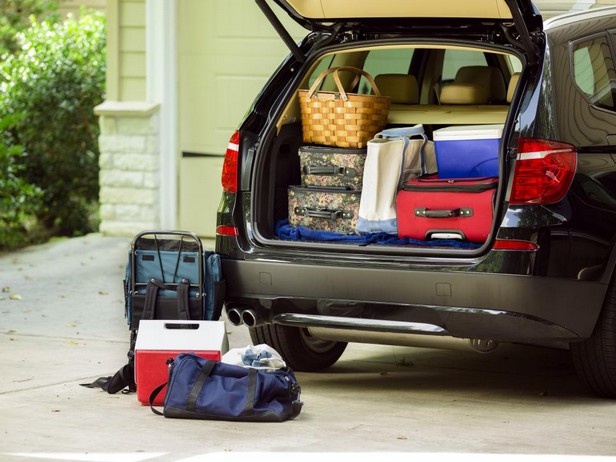
If you're bringing raw meat with you to cook at a ski lodge or guesthouse, wrap it and keep it separate from cooked food. When traveling by car, place the meat on ice and monitor how long it stays at room temperature (no more than 4 hours!).
Wipe down the folding table
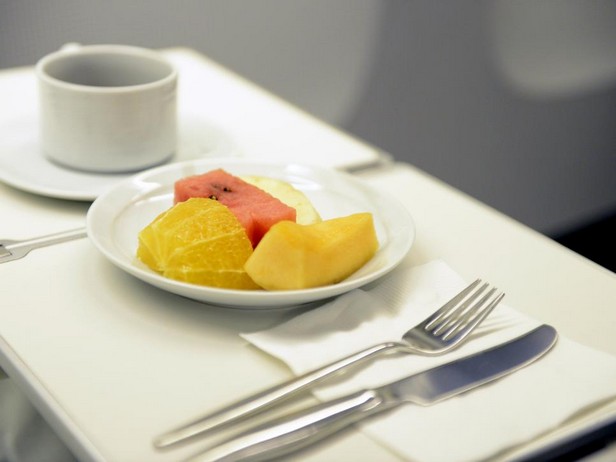
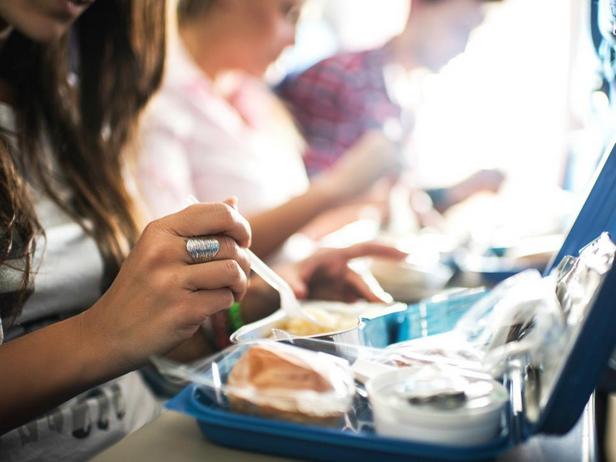
In a 2015 study published in TravelMath, a microbiologist collected 26 samples from five airports and four flights. Tray trays were found to be the dirtiest place on a plane. Wipe tray trays with disinfectant wipes and never touch food with your hands; always use utensils or a napkin to handle food.
Do not use drinking fountains at the airport.
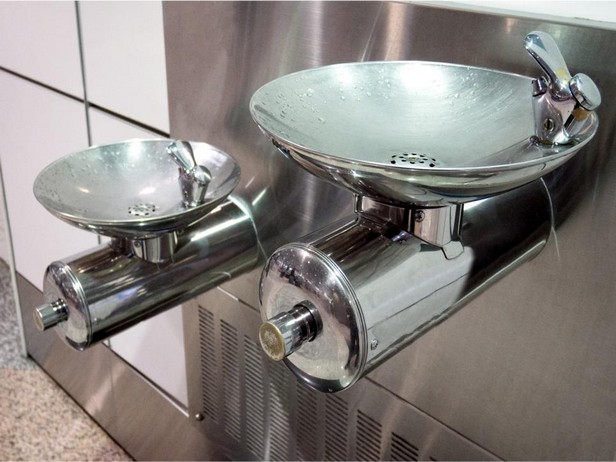
Water is perhaps the only free amenity at airports. But when you touch a drinking fountain button, you're likely to pick up a large number of microorganisms. The aforementioned TravelMath study found these fountains to be among the dirtiest places in airports.
Check the temperature
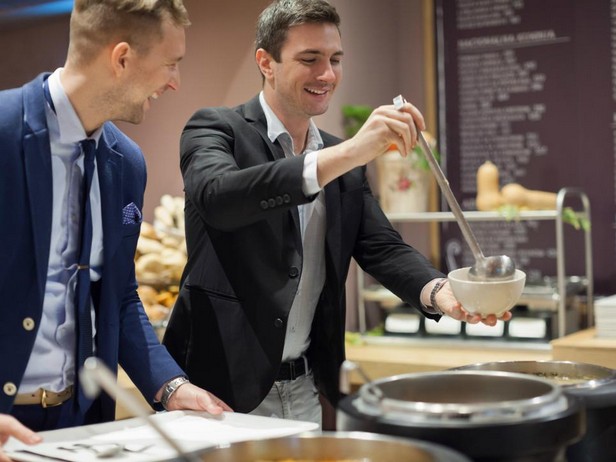
It seems simple, but any food you plan to buy while traveling should be at the right temperature. A cold sandwich should be refrigerated before purchase, and hot soup should be piping hot. If the food is at room temperature, it's likely been sitting out for several hours and could potentially harbor harmful microorganisms.
Avoid sickly looking waiters
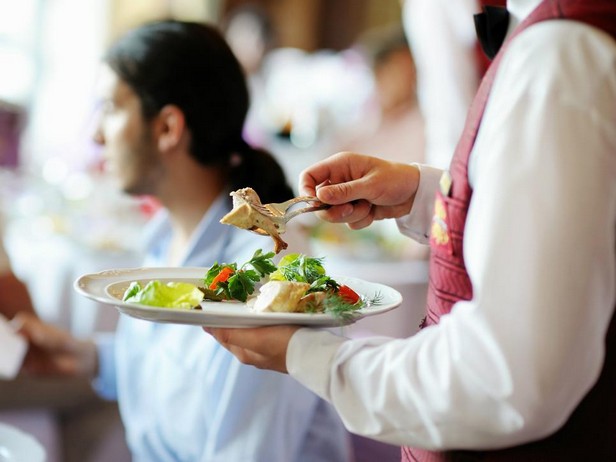
When ordering food at a fast food establishment or sitting at a table in a cafe, avoid waiters who are visibly ill—with a runny nose or a severe cough.
Research the information you need in advance
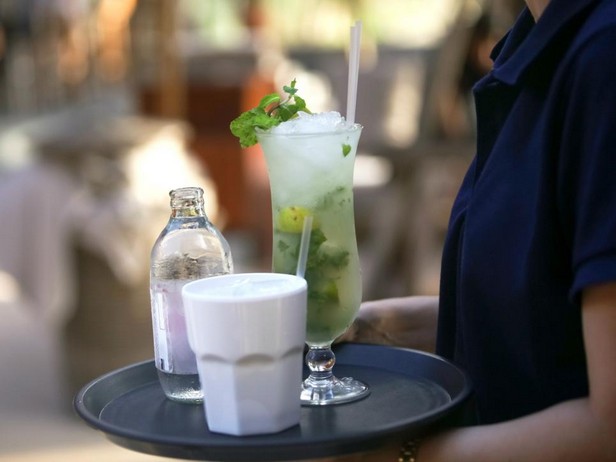
According to a 2015 World Health Organization report, approximately 1 in 10 people suffer from food poisoning each year. Before traveling abroad, check if there is a source of potable water at your destination. Unsafe water can be contaminated with parasites, amoebas, or viruses such as hepatitis. If clean water is not available, avoid anything prepared with tap water, including cocktails and ice, and do not brush your teeth with it. Use only bottled water and other bottled drinks, such as juice and soda.
Choose the safest option
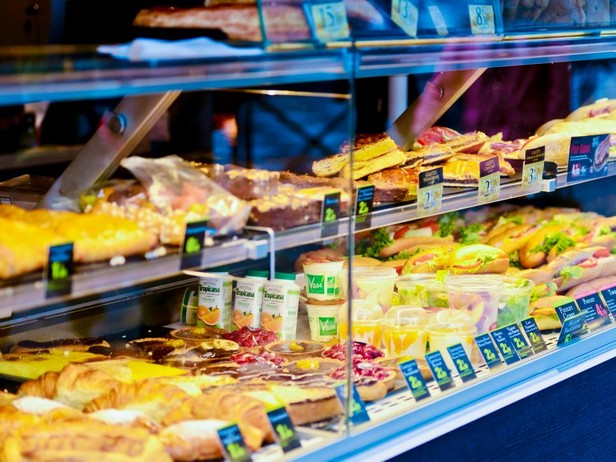
When stopping for a snack on the road, avoid questionable-looking prepared foods. Packaged foods must meet strict food safety standards, so sometimes they're a better choice. Healthy packaged snacks include protein bars, granola bars, popcorn, and nuts.
Wash reusable bottles
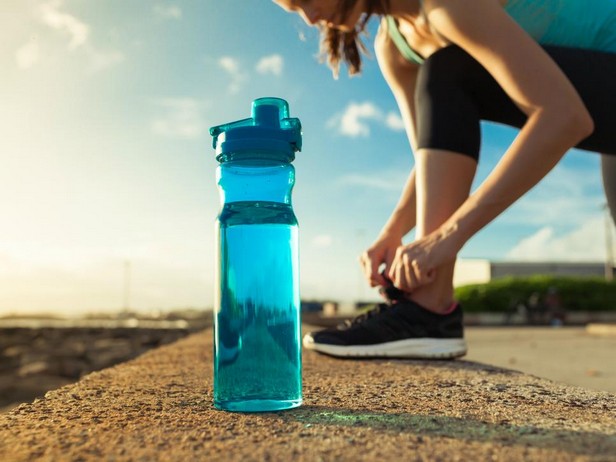
You can save money by taking a reusable water bottle with you, but there are limitations to its use. The neck, which you touch, can harbor bacteria, so be sure to wash the bottle daily with warm, soapy water.
Take non-perishable foods
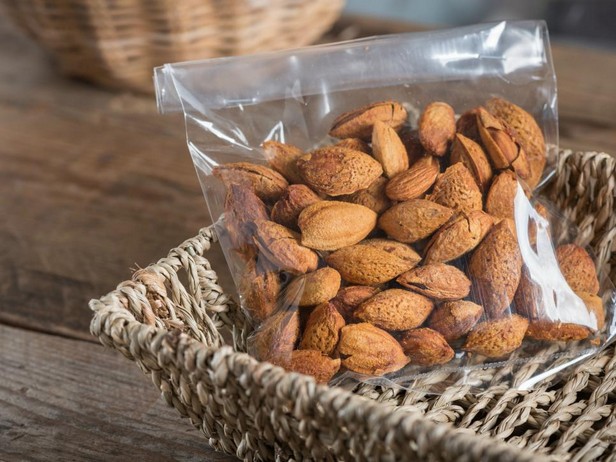
If you're unsure when your next meal will be, pack non-perishable foods. Good options include nuts, nut butters, granola bars, instant oatmeal or granola (just add hot water), canned or sealed tuna, whole-grain crackers, and dried fruit.
Votes: 3
Categories
Healthy eating / Recipe collections / Culinary articlesSimilar recipes
Simple vegetable noodle recipes

10 foods that nutritionists eat during

11 foods you shouldn't eat before
Orange water with fennel

How to eat healthy at the airport

What do nutritionists eat when traveling?
Breakfast cereal cookies
Healthy Eating on the Weekend: 10 Tips from

What to eat before and after exercise

11 Healthy Morning Habits from Nutritionists

Teach Your Kids: 10 Healthy Eating Habits
8 Steps to a Healthier Heart
Perfect microwave rice
Sub-sandwich “Tofu-Parmesan”
Aioli sauce with pickled vegetables
8 Healthy Recipes You Should Know
Waxy Potatoes Baked with Lemon
Green Mary from kale
Crispy kale with barbecue seasoning
5 ways to organize your meal preparation
How to save on groceries?

Safe barbecue
What is gelatin made of?
Vegetable oil substitutes
Lentils
10 Kitchen Gadgets and Appliances That

Interesting facts about coffee
Fruits for energy

Time for coffee
Coconut Ice Cream Cupcakes
Classic popovers

Fontina (cheese)
Appetizers
Beer snacks
Cheese appetizers
Sandwiches
Snacks
Canapes
Assorted appetizers
Snacks with sauces
Meat appetizers
Fish appetizers
Vegetable appetizers
Egg appetizers
Soups
Cold soups
Creamy soups
Cream soups
Soups with dressings
Clear soups
Vegetable soups
Thick soups, stews
Meat soups
Fish soups
Soups with pasta and cereals
Main courses
Meat
Bird, game
Side dishes
Vegetables, mushrooms
Fish, seafood
Cereals, legumes
Eggs, dairy products
Pasta
Casseroles
Salads
Warm salads
Vegetable salads
Leafy salads
Fruit salads
Salads with cereals and pasta
Salads with meat
Salads with fish
Salads with eggs
Salads with beans
Salads with bread
Fast food
Hamburgers
Sandwiches
Hot dogs
Pizzas
Hot sandwiches
Tortilla Dishes
Pita dishes
Pancakes
Sauces for fast food
Deep-fried dishes
Sauces
Seasonings
Gravies
Dips
Spreads
Barbecue glazes and sauces
Salad dressings
Oil mixtures
Emulsion sauces
Sweet sauces
Hot sauces
Sauces for fast food
Grill, barbecue
Grilled meat
Grilled poultry
Grilled fish
Smoked dishes
Grilled vegetables and fruits
Grilled flour products
Barbecue glazes and sauces
Bakery
Savory pies, pizzas
Homemade bread
Potato pancakes, pancakes
Unsweetened buns, pies
Unsweetened cookies and muffins
Desserts
Cupcakes
Fruit desserts
Cookie
Cakes
Donuts, pies, buns
Candies and small sweets
Creams, sauces, mousses, puddings
Soufflé, meringues, meringues
Jelly
Ice cream, sorbets
Cakes
Sweet pies, tarts
Pancakes, fritters, waffles, toast
Breakfast cereals, granola, muesli
Drinks
Milkshakes
Smoothies, granitas
Coffee and chocolate based drinks
Fruit drinks, juices
Tea and herbal drinks
Hot drinks
Alcoholic cocktails
Cocktails with vodka
Cocktails with gin
Whiskey cocktails
Cocktails with wine
Cocktails with brandy, cognac
Cocktails with absinthe
Cocktails with rum
Cocktails with sparkling wine
Tequila cocktails
Cocktails with beer
Cocktails with liqueurs
Frozen cocktails
Cooking methods
Air fryer
Pressure cooker
Cold dishes
Multicooker
Stuffed dishes
Deep-frying
Double boiler
Pan
Baking tray
Foil
Oven
Roaster
Mixer
Blender
Brazier
Food processor
Microwave
Wok
Pickled dishes
Dried and cured foods
Pickled dishes
Poached dishes
Salty dishes
Smoked dishes
Canned goods
Seasonal dishes
Festive dishes
New Year
Christmas
Valentine's Day
March 8
Easter
May 1st
Halloween
Birthday
Party Dishes
Wedding dishes
Cocktail party
Dinner party
Mother's Day
Cuisines of the world
European
French
Italian
Spanish
Greek
English
Irish
German
Portuguese
Austrian
Polish
Russian
Scandinavian Swedish
Asian Chinese Japanese Thai Vietnamese Korean Filipino
Arabic Jewish Turkish
Indian
African Moroccan
American Hawaiian Cajun Canadian Tex-Mex
Latin American Mexican Venezuelan Argentine Brazilian
Caribbean Cuban Jamaican
Scandinavian Swedish
Asian Chinese Japanese Thai Vietnamese Korean Filipino
Arabic Jewish Turkish
Indian
African Moroccan
American Hawaiian Cajun Canadian Tex-Mex
Latin American Mexican Venezuelan Argentine Brazilian
Caribbean Cuban Jamaican
Categories
Breakfasts
Lunches
Dinners
Children's dishes
Dishes for future use
Budget recipes
Comfort food
Recipes for one
Recipes for two
Picnic
Backyard Recipes
Dishes for fans
Movie Night Dishes
Cooking methods
Food Network Recipes
Recipe collections
Recipes by ingredients
Healthy eating
Healthy breakfasts
Lunches
Dinners
Healthy snacks
Dishes rich in fiber
Gluten-free dishes
Low sodium content
Low-calorie dishes
Dishes for diabetics
Low-carb meals
Low fat content
Low cholesterol
Calorie content of prepared meals
Vegetarian dishes
Vegan dishes