How to eat healthy at the airport
Votes: 7
We asked nutritionists how they maintain healthy eating while traveling.
You can find healthy food at the airport.
If you think healthy eating is impossible while flying, you're wrong! While the hustle and bustle of air travel (like security checks) can make healthy eating habits impossible, you can still make healthier choices while flying. Here are 10 simple ways to eat healthy at the airport, even with limited options.

Start before you leave home

Think back to your last trip to the airport. In the rush of getting ready and trying to remember where you put your documents, food is often the last thing on your mind. That's why it's so important to take the time to eat something healthy before you leave the house. "A lot can go wrong at the airport, so I eat something healthy and filling before I leave, like a smoothie, an egg sandwich, or a granola bar," says Jenna Braddock (sports nutritionist, personal trainer, and owner of Make Healthy Easy and Off-Season Athlete).
Plan ahead
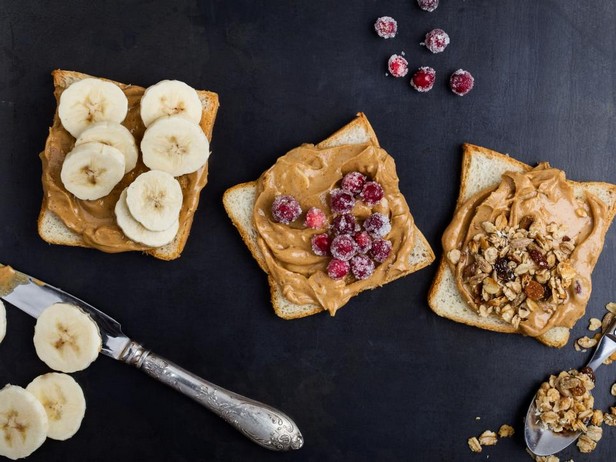
You may not be allowed to bring yogurt, jars of peanut butter, or drinks during security. However, you can pack a sandwich on white bread with peanut butter and jelly—it'll survive the long flight. For snacks, pack whole fruits like apples, pears, and clementines, or homemade trail mix that doesn't require refrigeration. Other suitable snacks include hard-boiled eggs, pieces of cured meat, homemade muffins, popcorn, and whole-wheat pasta salad.
Check out the menu first

To prepare, you can also find out what food is available at the airport and on the plane. Larger airports typically have more choices, but even smaller airports can offer healthy options. Kiosks at smaller airports often sell fresh and dried fruit, yogurt, and some whole grains (like popcorn). Airlines also publish their in-flight meal menus online. You can see what options you'll have and plan accordingly.
Take food with you on your flight
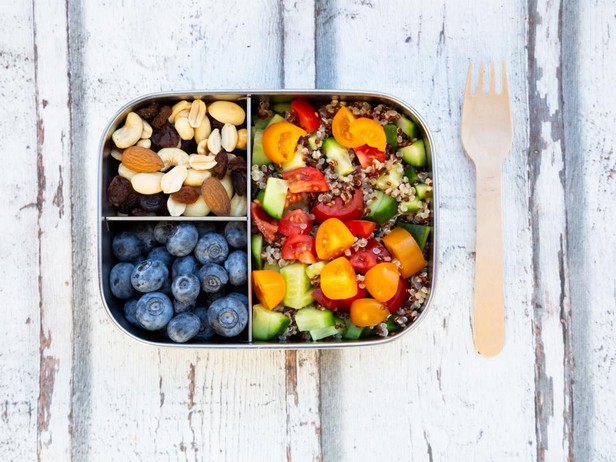
Marisa Moore, a registered dietitian and MBA, always packs snacks. "I keep fruit and nuts in my bag for snacks. My favorite choice for long flights is nut butter on sprouted grain bread and fruit." Not only are these snacks easy to carry and travel well, but they also contain healthy fats and fiber, plus a little protein to satiate hunger on a long journey. "This gives me time to settle in at my destination and eat when I land," Moore explains.
Choose shelf-stable foods
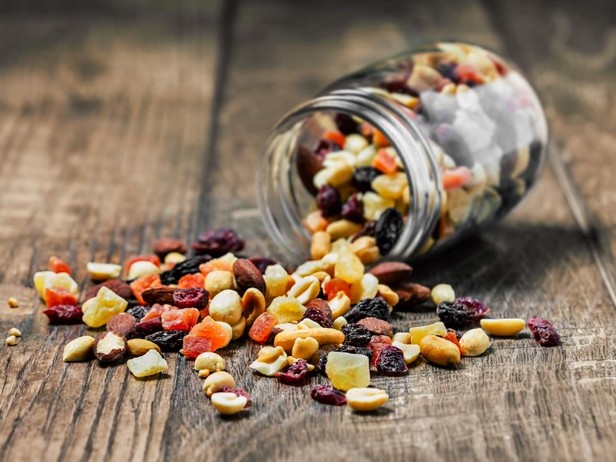
"When traveling internationally, choose healthy, shelf-stable snacks that can be transported without refrigeration," says Joan Salge Blake (a professor at Boston University and host of the healthy living podcast SpotOn!). "Food poisoning is the last thing you want when traveling to another country." Blake recommends packing protein-rich foods like nuts and roasted chickpea snacks, whole fruits (apples, bananas, citrus fruits), dried fruits (raisins, dried apricots), a can of vegetable juice (like a non-alcoholic Bloody Mary), and a large bottle of water, which you can buy after security. This selection of vegetarian snacks will keep you full until your arrival. Remember: fresh fruit is prohibited on international flights, so eat it before you land!
Search for Starbucks
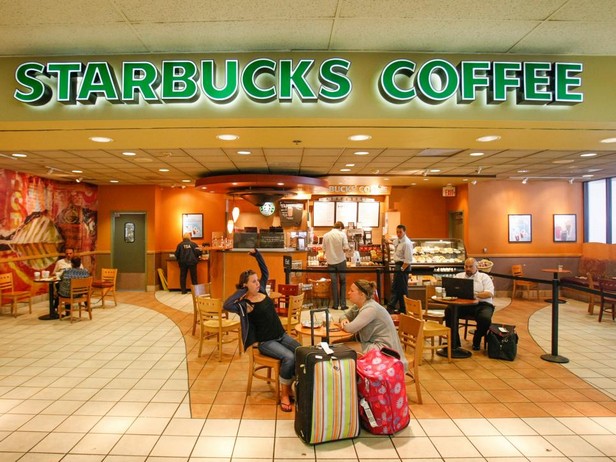
If you need to buy something at the airport and there's nothing suitable nearby, try a Starbucks—they're located in many airports. Depending on the options available, you can choose from oatmeal, a feta, egg, and spinach wrap, a chicken, quinoa, bean, and greens bowl, a tomato and mozzarella sandwich, and a protein combo with egg and cheese. Some locations offer fresh fruit, which you can bring in your carry-on for later. Check nutrition information online or in the Starbucks app to help you plan ahead.
Maintain water balance
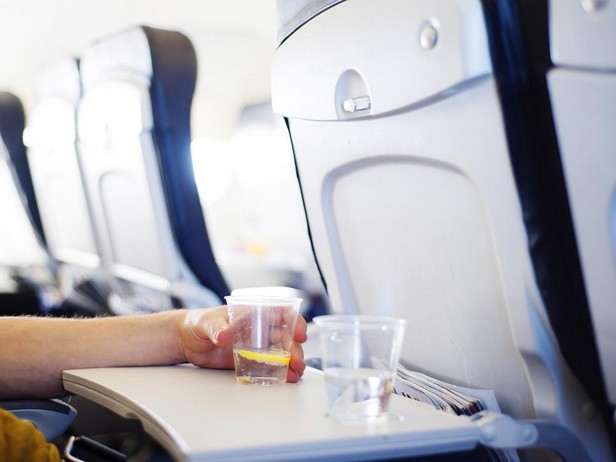
"When traveling internationally, I primarily focus on hydration, as dehydration can exacerbate fatigue from a long flight," says Malina Malkani, spokesperson for the Academy of Nutrition and Dietetics and founder of Wholitarian Lifestyle. Malkani explains that air travel causes the body to lose a lot of fluid through the skin, and the pressurized cabin has low humidity and a unique air composition. All of this contributes to dehydration, so it's important to drink even when you're not thirsty. Keep an empty, refillable water bottle in your carry-on and refill it after you go through security. "A good plan is to drink about a glass of water before your flight, a glass every hour during the flight, and another glass upon arrival," says Malkani. When offered drinks on board, choose water, soda, or tomato juice and limit alcohol, which worsens dehydration.
Look for meals rich in fruits and vegetables
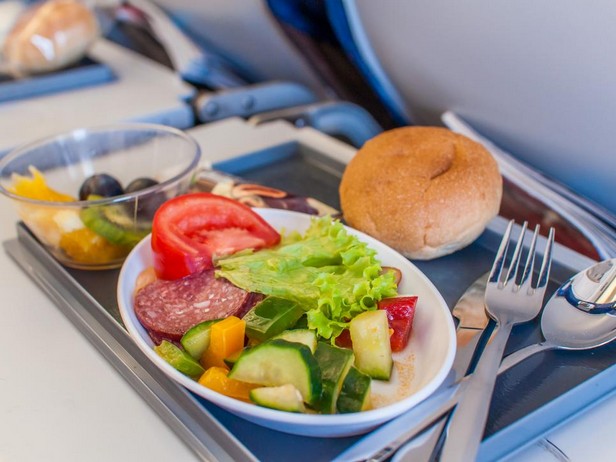
It can be hard to find fruits and vegetables when you're rushing through airports and spending hours on flights—especially international flights. Jonathan Valdez (owner of Genki Nutrition and spokesperson for the New York State Academy of Nutrition and Dietetics) always looks for meals where at least half of the serving is fruit and/or vegetables. You can also find fresh produce to go—usually sold in baskets (at airport quick-service kiosks). Depending on your destination, you may be able to replace fatty/starchy foods with healthier alternatives. "If you're frugal like me, I recommend waiting until boarding and eating on board, forgoing the complimentary, unappetizing wine," says Valdez.
Use the "just add water" strategy
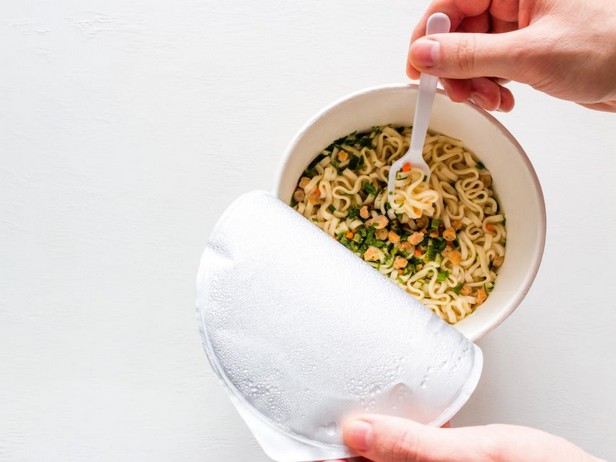
Hot water is available in airports and airplanes. If you're looking to bring a healthy snack from home, try oatmeal packets, tea bags, and other foods that require just boiling water (like quinoa or instant ramen).
Prepare nutritious snacks
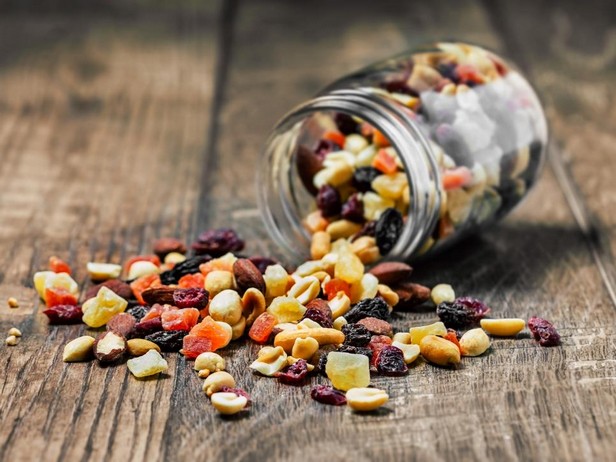
Dana Angelo White, a certified trainer and cookbook author, snacks on shelf-stable snacks made from oatmeal, dried fruit, nuts, honey, chia seeds, and nut butter. "I make homemade energy snacks or granola to take with me on trips. They don't require refrigeration, can be made sweet or savory, and will keep you full and energized for hours."
Categories:
Similar recipes