What is better to wash your hands with: bar soap or liquid soap?
We'll dive into all the questions you have when you approach the soap aisle at the store.
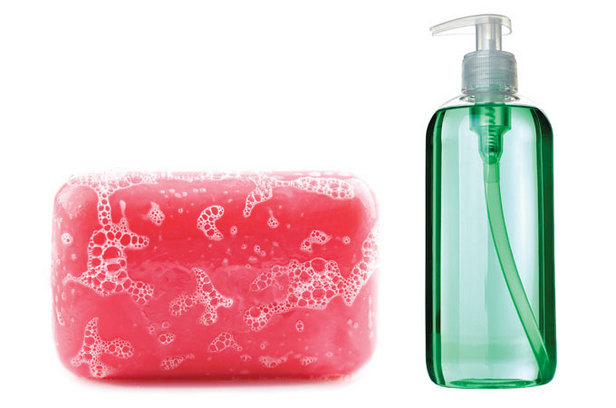
Wash your hands thoroughly – This is one of the best ways to prevent the risk of various diseases. But if you can't find liquid soap (or want to use fewer single-use plastic bottles), you have to wonder: is bar soap as effective? And what's the best way to use and store it?
Using soap is much more effective than just water because it contains surfactants—substances that reduce friction (which is what makes soap slippery). This also helps you wash your hands longer, which helps eliminate more germs. Bar soap is primarily made from a combination of fats, oils, and fragrances, which together create a substance that, when wet, can trap and remove dirt and bacteria. Technically, liquid soap is a detergent, meaning it has the cleaning properties of soap but doesn't react with the minerals in hard water and is less likely to leave a film (soapy residue).
Both liquid and bar soaps may or may not contain antibacterial ingredients. Typically, the active ingredient in such soaps is a substance called benzalkonium chloride, and most bar and liquid soaps contain equal amounts. It turns out that these antibacterial chemicals are not necessary. In 2016, the World Health Organization published a report concluding that store-bought soaps with antibacterial ingredients are no more effective than those without them.
Studies have shown that bar soap can harbor bacteria such as E. coli and Staphylococcus epidermidis. However, this study also showed that even if these microorganisms reside on the bar of soap, they do not remain on a person's hands after thoroughly washing them with the soap. Another recent study found that bar soap can effectively remove viruses from hands. The World Health Organization (WHO) recommends storing bar soap in a draining soap dish to prevent puddles of water from forming, which can harbor bacteria between uses. Experts say bar soap is more biodegradable. Some say bar soap is used less when washing hands, while using liquid soap can be tempting to repeatedly press the dispenser. While a bottle of liquid hand soap may look nicer on your sink, bar soap is more affordable.
Total: Wash. Your. Hands! If you do it thoroughly enough, bar and liquid soap work equally well.
The World Health Organization (WHO) offers a simple, five-step plan for proper handwashing. Wet and lather your hands, rub them together for at least 20 seconds, rinse with running water, and dry thoroughly. If soap and water are not readily available, use a 60% alcohol-based hand rub. According to the WHO, the most important times to wash your hands include: before, during, and after preparing food, before eating, after using the restroom, and, of course, after blowing your nose, sneezing, or coughing.
Read more about how to properly wash your hands with soap. Here.
How does soap work?
Using soap is much more effective than just water because it contains surfactants—substances that reduce friction (which is what makes soap slippery). This also helps you wash your hands longer, which helps eliminate more germs. Bar soap is primarily made from a combination of fats, oils, and fragrances, which together create a substance that, when wet, can trap and remove dirt and bacteria. Technically, liquid soap is a detergent, meaning it has the cleaning properties of soap but doesn't react with the minerals in hard water and is less likely to leave a film (soapy residue).
Is antibacterial soap worth buying?
Both liquid and bar soaps may or may not contain antibacterial ingredients. Typically, the active ingredient in such soaps is a substance called benzalkonium chloride, and most bar and liquid soaps contain equal amounts. It turns out that these antibacterial chemicals are not necessary. In 2016, the World Health Organization published a report concluding that store-bought soaps with antibacterial ingredients are no more effective than those without them.
Which is more hygienic: bar soap or liquid soap?
Studies have shown that bar soap can harbor bacteria such as E. coli and Staphylococcus epidermidis. However, this study also showed that even if these microorganisms reside on the bar of soap, they do not remain on a person's hands after thoroughly washing them with the soap. Another recent study found that bar soap can effectively remove viruses from hands. The World Health Organization (WHO) recommends storing bar soap in a draining soap dish to prevent puddles of water from forming, which can harbor bacteria between uses. Experts say bar soap is more biodegradable. Some say bar soap is used less when washing hands, while using liquid soap can be tempting to repeatedly press the dispenser. While a bottle of liquid hand soap may look nicer on your sink, bar soap is more affordable.
Total: Wash. Your. Hands! If you do it thoroughly enough, bar and liquid soap work equally well.
How to wash your hands properly
The World Health Organization (WHO) offers a simple, five-step plan for proper handwashing. Wet and lather your hands, rub them together for at least 20 seconds, rinse with running water, and dry thoroughly. If soap and water are not readily available, use a 60% alcohol-based hand rub. According to the WHO, the most important times to wash your hands include: before, during, and after preparing food, before eating, after using the restroom, and, of course, after blowing your nose, sneezing, or coughing.
Read more about how to properly wash your hands with soap. Here.
Votes: 1
Categories:
Related articles