The most common mistakes chefs make
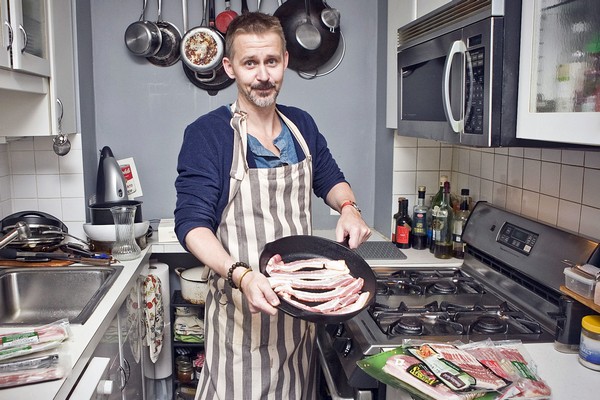
Often, the dishes you prepare turn out completely different from what you expected, and this is because you may have made some mistakes during the cooking process. If you want to avoid them, read this article.
Mistake 1: Choosing the wrong pan
The choice of pot greatly affects the cooking result. For example, if you add ingredients to boiling water and the pot is too small, the boiling process may practically stop at first. This has a very negative impact on the texture of the food. Similarly, if you add a large amount of pasta to a pot that's too small, it will all stick together into one large lump.
Solution: If you're cooking a large amount of food, it's best to use two pots at a time and cook in both. It's important to leave enough room for the food to float freely in the pot. If there's too little space, the food will overcook and lose its shape faster.
Mistake 2: Incorrectly preheating the pan
It's generally accepted that preheating a pan for 1 minute before frying is sufficient, so people typically place it directly over high heat. However, some pans, especially cast iron ones, take longer to heat up, as they require heat from all sides. If the heat is turned on high, a cast iron pan will only heat up in the center. This is not only harmful to the pan itself, but also, food that gets too hot in the center can stick to the bottom and burn.
Solution: To prevent damage to the pan and food from burning, turn the heat to low or medium and allow the pan to heat up gradually. During this time, you can prepare the ingredients for frying.
Mistake 3: Stewing wet greens
If you just washed greens and immediately start sautéing them, they can lose their flavor and color because the moisture in the leaves comes into contact with the hot pan, creating steam. Furthermore, hot oil and water can splatter in all directions, which can easily cause burns.
Solution: To preserve the color and flavor of lettuce leaves, use a lettuce spinner before preparing them. If you don't have one, dry the lettuce leaves first by laying them out on a paper towel.
Mistake 4: Cooking on high heat when you should cook on low heat
This mistake is usually made when you're in a hurry. When cooking liquid food at low heat, air bubbles rise to the surface every 2-3 seconds, while at high heat, they rise constantly. In the latter case, the food cooks much faster, of course, but it remains tough, as only the outside is cooked, not the inside.
Solution: If you need to cook food on low heat, this is the rule to follow.
Mistake 5: Putting meat straight from the refrigerator into the pan
Unfortunately, many people do this. This results in the meat being overcooked on the outside and raw on the inside.
Solution: Remove meat from the refrigerator at least half an hour before cooking. This will allow it to defrost to room temperature, ensuring even cooking, both inside and out.
Mistake 6: Not tasting food while it's cooking
Some cooks are so confident in their abilities that they don't consider it necessary to taste food while cooking. However, the same recipe often produces completely different dishes. This depends on the quality and quantity of ingredients and many other factors. After adding each ingredient, taste the dish and adjust its flavor. If you don't, the result may be completely different from what you expected.
Solution: By constantly tasting your food as it cooks, you can ensure it has the right aroma, flavor, color, and texture.
Mistake 7: Stirring food too often
A properly golden-brown crust on fried chicken can only be achieved if the chicken sits quietly on the baking sheet for the right amount of time. If you're constantly turning it, you'll lose the ability to get a crispy crust.
Solution: The best indication that turning the food too soon is that the spatula doesn't slide freely under it. Wait a while and try again. If the spatula slides freely under the food, it's safe to turn.
Other mistakes cooks make include:
– ignore small details of the recipe during the preparation of the dish;
– they use bad oil;
– do not use measuring cups when required;
– do not rinse vegetables with cold water after cooking.
Cookware should not only be used correctly but also cared for properly. For example, cast iron pans should be washed with soap and avoid using harsh brushes, as this removes the pan's natural coating that prevents food from sticking.
Votes: 1
Categories
Culinary articlesSimilar material
Classic lo mein noodles

9 Metabolism Myths

The World's Easiest Chocolate Chip Cookie Bowls
Hiyashi-tyuka

Grilled hot dogs
The most delicious pork ribs in the oven

The Easiest Mini Cheeseburgers
The most delicious cracklings
Spring Lemon Desserts for Guests
The lemoniest bars

Mini BBQ Pumpkin Burgers
Types of tofu and how to cook it
Chocolate tart with ganache
Cranberry Orange Relish

How to Make the Best Brownies: 4 Ways

The most unusual restaurants in the world
Oolong tea

The most delicious meatballs

Basic coffee terminology
How to cook scrambled eggs properly
Kenyan coffee
The most expensive food products

The most useful vegetable oils, their types and
How to Make the Best Hamburger Patties
Truffle oil
The most expensive products in the world
Zucchini
Pears

Spain's gastronomy attracts millions
Turkey meat - beneficial properties
The most delicious and simple recipes for sauces for
Plum tomatoes