Pears
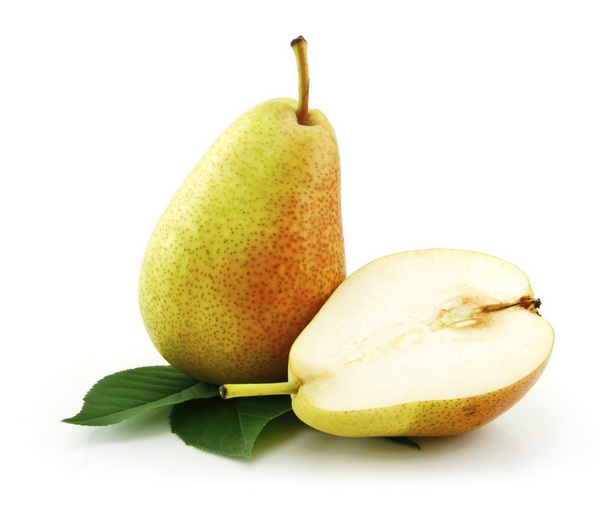
There are many varieties and types of pears. Their flesh is somewhat looser than that of apples and, unlike many fruits, it can ripen after harvest.
Pears are typically narrow at the top and widen at the bottom, although there are varieties that are almost round. These fruits are not as vibrantly colored as apples. Most range from pale bronze to light green, although if you look hard enough, you can find some red ones.
When to buy?
The freshest pears can be purchased from September to January.
How to choose?
Pears are very easily bruised when ripe, so it's best to buy them slightly underripe. They should be firm but not too hard. Pears ripen from the inside out. When ripe, they should yield slightly to pressure at the base. Avoid buying pears that are too soft or have bruised areas.
Everything else depends on your taste and preferences. There are usually several types of pears available for purchase; choose any.
The most common varieties in the world:
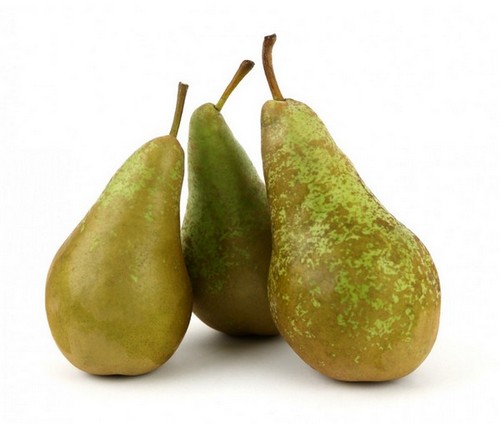
1. Conference. These pears have an elongated conical shape and greenish-yellow skin with reddish-brown speckles. The flesh is grainy, sweet, and juicy, making it excellent eaten fresh or added to various dishes.
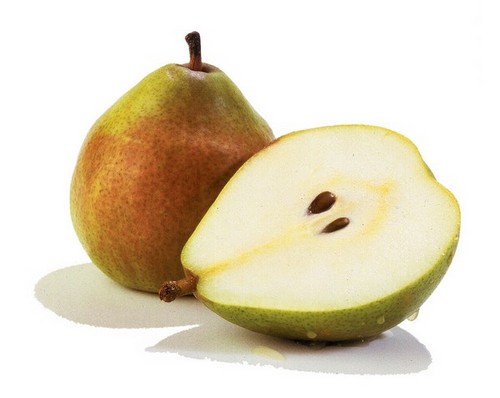
2. Komis – a rounder pear with juicy and very tender flesh. It's great eaten fresh or added to salads. It's especially delicious with cheese.
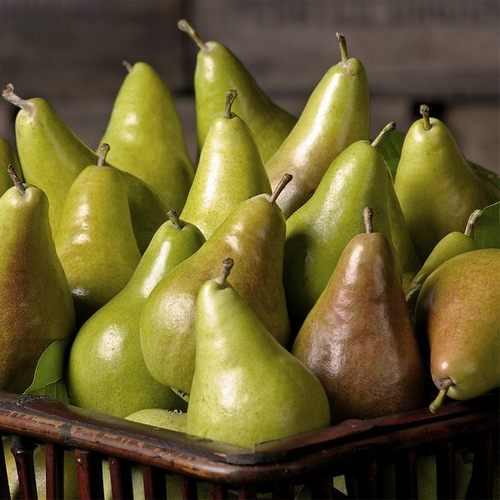
3. Concorde – a variety that resembles something between the Komis and Konferencia varieties.
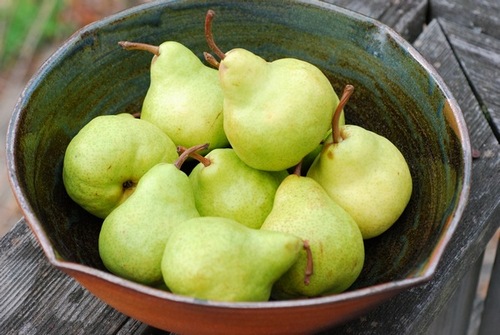
4. Peckham – a pear grown in Australia. It has a wide base and smooth green skin that turns yellow when ripe. The pear is very juicy and is usually eaten fresh.
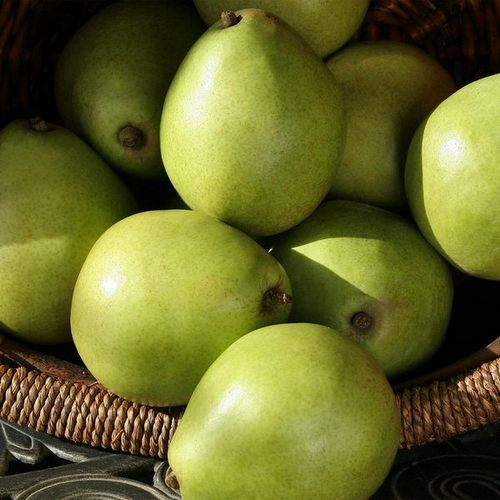
5. Anjou – a green pear of fairly large size. It is eaten fresh and cooked into various dishes.
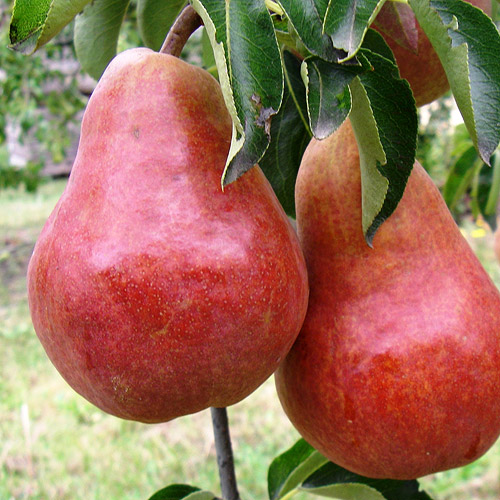
6. William – a variety with a red speckled skin and somewhat oily, sweet flesh.
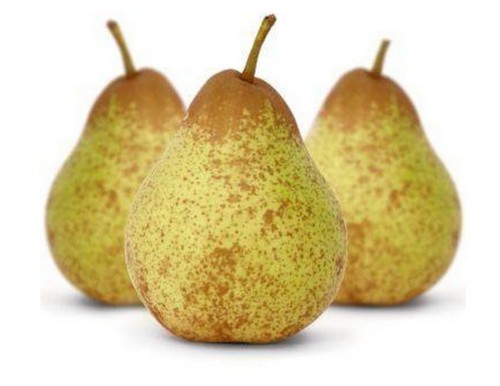
7. Rocha - pear from PortugalIt is somewhat firm, but juicy and sweet.
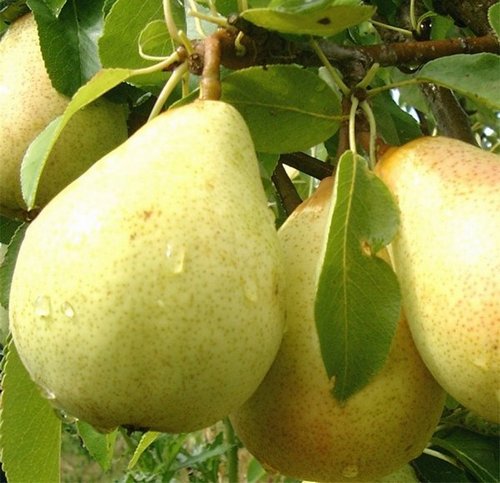
8. Bon Chretien Williams – a tender and juicy pear that is suitable for fresh consumption and for preparing a wide variety of dishes.
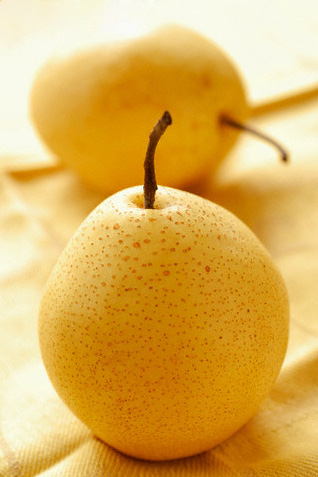
9. Asian pears (They are also called "Nashi"). They are shaped more like apples and are very sweet, so they are best eaten fresh.
Culinary uses
Wash the pear. Although its skin is edible, you can remove it. The easiest way to do this is with a vegetable or potato peeler.
If you decide to cut the pear, you first need to divide it into 4 parts, then cut out the core from each of them, after which you can cut them into smaller pieces.
You can stuff a pear with filling. There's no need to peel the skin. Cut the pear in half, carefully remove the core with a knife, scoop out the pulp with a spoon, and then fill the halves with filling.
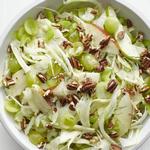
If you're making a fruit salad, use slightly underripe pears. They'll hold their shape better.
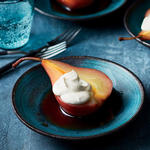
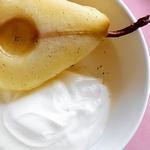
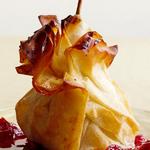
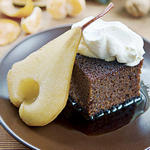
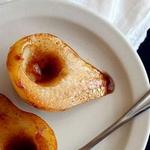
Pears can be boiled whole (15-25 minutes), halved and baked (20-25 minutes), or sliced flat and grilled or pan-fried (4-5 minutes). They are great served with a cheese plate, added to a blue cheese salad, or used in baking or chutneys.
Instead of pears, you can use apples when preparing dishes.
Storage
If you bought unripe pears, keep them in a fairly cool place until they ripen. Ripe pears can be kept in the refrigerator, but they should be eaten as quickly as possible.
All recipes with pears
Categories:
Related articles