How to use hand sanitizer
Rules for using antiseptics to protect against germs
Rules for using antiseptics to protect against germs
The World Health Organization (WHO) recommends washing your hands with soap to reduce the number and variety of bacteria and chemicals on your hands. However, if soap and water are unavailable, you can use hand sanitizer to prevent illness and the spread of germs to others. Here are some tips for choosing and using hand sanitizer correctly.
Choose a hand sanitizer with at least 60% alcohol. Alcohol-based hand sanitizers can quickly reduce the number of bacteria on your hands, but according to the WHO, they don't eliminate all types of germs. Hand sanitizers with less alcohol than 60% may not be as effective against most types of germs and will simply reduce their numbers rather than kill them.
Hand washing is more effective than hand sanitizer against certain microorganisms, such as norovirus, Clostridium difficile, and Cryptosporidium. However, alcohol-based hand sanitizer can block the activity of many microbes if used correctly.
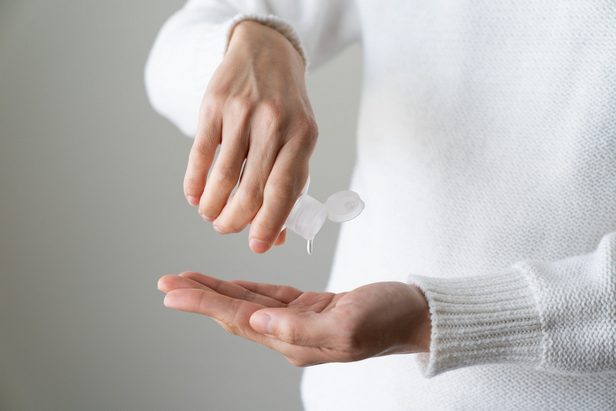
WHO instructions for using hand sanitizer include applying it to one palm. The required amount for one use can be found on the packaging. Then, rub the product over the entire surface of your hands until they are dry.
It's unclear whether the sanitizer remains effective after its expiration date. However, some manufacturers claim their sanitizers have a shelf life of 24 months.
Here are several ways to use hand sanitizer incorrectly and ineffectively. The first is using too little sanitizer. Another mistake is wiping it off your hands before it has time to dry. Also, according to the WHO, hand sanitizer may not work as well when your hands are very dirty (for example, after playing soccer in the mud). In such a situation, the best solution is to wash your hands with soap.
Handwashing remains the best way to minimize the number of germs on your hands. This is especially important before, during, and after preparing food or before eating. You should also wash your hands after using the restroom, changing a diaper, touching or cleaning up after a pet, taking out the trash, sneezing, coughing, or blowing your nose.
Wet your hands with clean running water and apply soap.
Rub your hands thoroughly, lathering them. Pay attention to the backs of your hands, the skin between your fingers, and under your nails (which should be trimmed).
Lather your hands for at least 20 seconds.
Rinse the soap off your hands under running water.
Dry your hands using a clean towel or hand dryer. Do not dry your hands on your clothing.
Read more about how to properly wash your hands with soap. Here.
When to use hand sanitizer
Choose a hand sanitizer with at least 60% alcohol. Alcohol-based hand sanitizers can quickly reduce the number of bacteria on your hands, but according to the WHO, they don't eliminate all types of germs. Hand sanitizers with less alcohol than 60% may not be as effective against most types of germs and will simply reduce their numbers rather than kill them.
Hand washing is more effective than hand sanitizer against certain microorganisms, such as norovirus, Clostridium difficile, and Cryptosporidium. However, alcohol-based hand sanitizer can block the activity of many microbes if used correctly.
How to use sanitizer
WHO instructions for using hand sanitizer include applying it to one palm. The required amount for one use can be found on the packaging. Then, rub the product over the entire surface of your hands until they are dry.
It's unclear whether the sanitizer remains effective after its expiration date. However, some manufacturers claim their sanitizers have a shelf life of 24 months.
How People Are Using Hand Sanitizer Wrong
Here are several ways to use hand sanitizer incorrectly and ineffectively. The first is using too little sanitizer. Another mistake is wiping it off your hands before it has time to dry. Also, according to the WHO, hand sanitizer may not work as well when your hands are very dirty (for example, after playing soccer in the mud). In such a situation, the best solution is to wash your hands with soap.
Why you shouldn't forget to wash your hands
Handwashing remains the best way to minimize the number of germs on your hands. This is especially important before, during, and after preparing food or before eating. You should also wash your hands after using the restroom, changing a diaper, touching or cleaning up after a pet, taking out the trash, sneezing, coughing, or blowing your nose.
To wash your hands properly:
Wet your hands with clean running water and apply soap.
Rub your hands thoroughly, lathering them. Pay attention to the backs of your hands, the skin between your fingers, and under your nails (which should be trimmed).
Lather your hands for at least 20 seconds.
Rinse the soap off your hands under running water.
Dry your hands using a clean towel or hand dryer. Do not dry your hands on your clothing.
Read more about how to properly wash your hands with soap. Here.
Votes: 1
Categories:
Related articles