How to dry fish properly
Store shelves are overflowing with dried fish, but its quality is often highly questionable. Many housewives prefer fresh fish, sometimes even freshly caught by their husbands, but sometimes you just crave a salty snack. So, let's learn how to dry fish yourself.
Store shelves are overflowing with dried fish, but its quality is often highly questionable. Many housewives prefer fresh fish, sometimes even freshly caught by their husbands, but sometimes you just crave a salty snack. So, let's learn how to dry fish yourself.
Preparation
It might seem like there's nothing complicated about it. Just take the fish, wash it, salt it, and hang it on the balcony. But drying it requires more care, otherwise the fish might turn out tasteless or, worse, dangerous to your health. First, it's important to understand that not every fish can be dried.
Only lean breeds are suitable for this recipe: Crucian carp, dace, perch, pike-perch, and, of course, Caspian roach. First, the fish must be thoroughly washed and gutted, but do not scale.
Salting
For this process, you'll need a deep container—a saucepan or bowl—and coarse salt. This type of salt will help draw moisture out of the fish more quickly. You can also use other spices, such as pepper, dill, cloves, and bay leaves. Use salt at a rate of 20% of the fish's weight, and add other seasonings sparingly.
The fish should be placed in the container in layers, each piece not only sprinkled with salt on top but also rubbed inside. Everything is ready; now all that's left is to weigh the fish down by placing a heavy plate on top. This structure should be placed in a cool place or refrigerator for approximately 5-7 days, depending on the quantity and size of the fish.
Drying
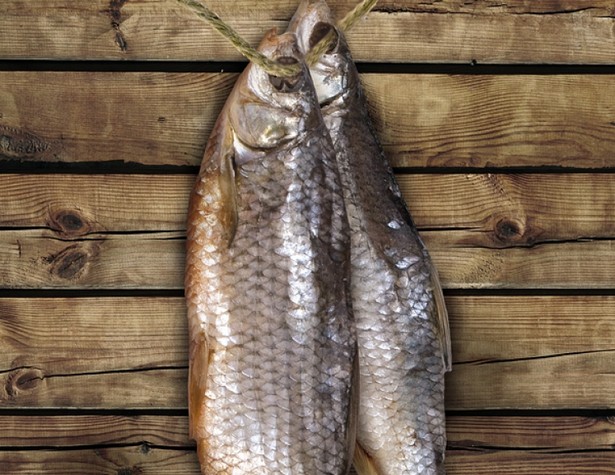
So, now the fresh fish has turned salty, but unfortunately, it's not dry yet. Before drying, rinse the fish with ice water and dry it thoroughly with paper towels, and only then hang it to dry. Thread a wire, fishing line, or thin rope through the fish's eye sockets—this will act as a holder. This can be done with a needle or an awl.
To speed up the drying process of large fish, you can insert spacers into their bellies. Dry the fish in a dry place away from direct sunlight: a shaded balcony, over a gas stove, in a shed, garage, or attic. Keep in mind that animals can feast on the fish before it's completely dry and move it out of reach of predators. It takes an average of one week for the fish to dry completely outdoors; a little less indoors.
How to tell if fish is ready?
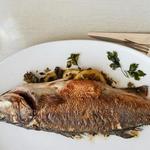
The first sign that your catch is ready to eat is the smell and the absence of salt on the scales. Try removing one fish and peeling it: the flesh should be glistening with fat and turn a gray-brown color. The fish is ready and now makes a delicious beer snack.
Preparation
It might seem like there's nothing complicated about it. Just take the fish, wash it, salt it, and hang it on the balcony. But drying it requires more care, otherwise the fish might turn out tasteless or, worse, dangerous to your health. First, it's important to understand that not every fish can be dried.
Only lean breeds are suitable for this recipe: Crucian carp, dace, perch, pike-perch, and, of course, Caspian roach. First, the fish must be thoroughly washed and gutted, but do not scale.
Salting
For this process, you'll need a deep container—a saucepan or bowl—and coarse salt. This type of salt will help draw moisture out of the fish more quickly. You can also use other spices, such as pepper, dill, cloves, and bay leaves. Use salt at a rate of 20% of the fish's weight, and add other seasonings sparingly.
The fish should be placed in the container in layers, each piece not only sprinkled with salt on top but also rubbed inside. Everything is ready; now all that's left is to weigh the fish down by placing a heavy plate on top. This structure should be placed in a cool place or refrigerator for approximately 5-7 days, depending on the quantity and size of the fish.
Drying
So, now the fresh fish has turned salty, but unfortunately, it's not dry yet. Before drying, rinse the fish with ice water and dry it thoroughly with paper towels, and only then hang it to dry. Thread a wire, fishing line, or thin rope through the fish's eye sockets—this will act as a holder. This can be done with a needle or an awl.
To speed up the drying process of large fish, you can insert spacers into their bellies. Dry the fish in a dry place away from direct sunlight: a shaded balcony, over a gas stove, in a shed, garage, or attic. Keep in mind that animals can feast on the fish before it's completely dry and move it out of reach of predators. It takes an average of one week for the fish to dry completely outdoors; a little less indoors.
How to tell if fish is ready?
The first sign that your catch is ready to eat is the smell and the absence of salt on the scales. Try removing one fish and peeling it: the flesh should be glistening with fat and turn a gray-brown color. The fish is ready and now makes a delicious beer snack.
Votes: 1
Categories:
Related articles