How to buy fresh fish and seafood
Every chef or culinary enthusiast should know how to buy fish and other seafood properly. Of course, if you catch your own fish, this isn't necessary, as it will always be fresh. However, if you have to go to the market to buy it, you'll need to know the following rules.
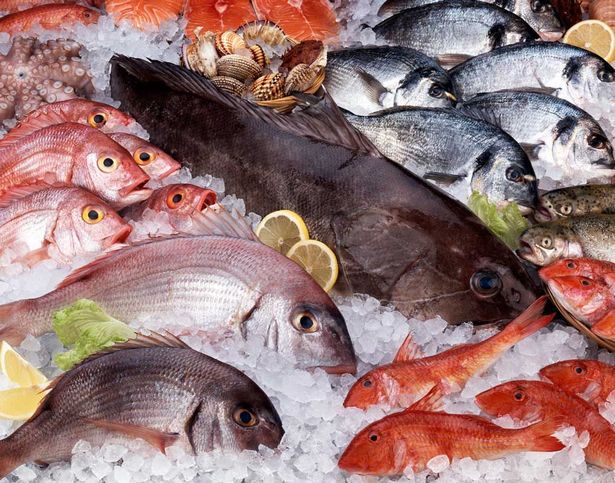
Every cook Anyone who enjoys cooking should know how to buy fish and other seafood properly. Of course, if you catch your own fish, this isn't necessary, as it will always be fresh. However, if you have to go to the market to buy it, you'll need to know the following rules.
1. Whole fish.
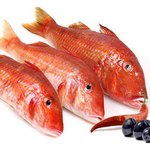
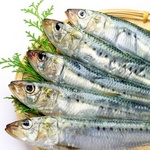
- Eyes. First of all, check that the eyes are clear. They are the first sign of freshness. If the eyes are cloudy, the fish is no longer fresh.
- Body. Inspect the fish from all sides. Are its scales shiny? The scales of a healthy fish have a clear metallic sheen. If the scales are not shiny, but cloudy or covered with discolored spots, this is a bad sign.
- Smell. Fresh fish smells like clean water and a hint of fresh cucumber. There should be no unpleasant fish odor. No amount of cooking will be able to mask it.
- Gills. Fresh fish has red gills, stale fish have brown or grey gills.
2. Fish fillet
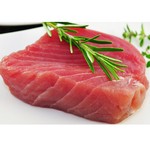
- Consistency. The surface of a fresh fillet should be smooth and shiny. Stale fillet becomes limp and dull.
- Smell. The fillet should not have a strong fishy smell.
– Presence of liquid. If there's liquid in the tray containing the fish fillets, it should be clear. If the liquid is milky, it means the fish has begun to spoil.
- Elasticity. A fresh fillet should be firm. If possible, press it with your finger. If the fish flesh is firm, the indentation left by your finger will quickly disappear. If the indentation remains, the fish is not fresh and should not be consumed.
3. Live fish
The best way to choose a live fish or other seafood is to observe it in the tank it's in. If the fish is moving quickly throughout the tank, that's a good sign. If it's huddled in a corner and breathing heavily, it may be sick and shouldn't be kept. Crabs and lobsters often hide inside their shells. If you can't see their claws and legs, it's best not to buy the shells. When you bring them home, they may be completely empty, as the animal may have long since retreated inside and died.
It's a good idea to always keep in touch with your fishmonger and know when new stock arrives. Always visit the market when fresh fish arrives. You're sure to find something you like.
4. Crustaceans
Crayfish and crabs should be purchased exclusively at the best fish markets. Only here can trade so quickly that you can always be sure of the freshness of the goods. This is especially important if you're planning to buy mussels, clams, or oysters. Of course, you might come across a dead animal, but this is extremely rare.
How do you know if an animal has died? All mollusks are sold live, and they always react to stimuli. Place the shell on the table and step back. Then tap the shell lightly—it will immediately close much more tightly than before. OystersOf course, clams and mussels don't react as quickly, but they do. You can tell whether clams are alive or dead after cooking them. Live shells will open when heated, while dead ones won't.
5. Scallops
Fresh scallops are always sold with their shells on. If you see them packaged without their shells, they've already been marinated. Avoid them if they're sitting in a milky liquid. It's better to buy them frozen or vacuum-packed.
6. Shrimp
Shrimp can be purchased fresh or frozen. Thanks to their shells, shrimp lose very little liquid during freezing, keeping them juicy. This is why they cook and spoil quickly.
It's best to buy shrimp at fresh seafood markets. Always buy them with the head on. The head helps the shrimp stay fresh. If the head is removed, the shrimp quickly dries out and loses its flavor.
The same applies to crayfish.
7. Squid or octopus
Squid and octopus are almost always sold frozen. Don't be afraid to buy them frozen. If you have the opportunity to buy them fresh, don't miss out. Choose them the same way you would fresh fish. Look at the eyes – they should be clean and clear.
Fish market
The basic rule for all fish markets is that they shouldn't smell bad. If you're there for fresh seafood and it stinks, run away.
1. Whole fish.
- Eyes. First of all, check that the eyes are clear. They are the first sign of freshness. If the eyes are cloudy, the fish is no longer fresh.
- Body. Inspect the fish from all sides. Are its scales shiny? The scales of a healthy fish have a clear metallic sheen. If the scales are not shiny, but cloudy or covered with discolored spots, this is a bad sign.
- Smell. Fresh fish smells like clean water and a hint of fresh cucumber. There should be no unpleasant fish odor. No amount of cooking will be able to mask it.
- Gills. Fresh fish has red gills, stale fish have brown or grey gills.
2. Fish fillet
- Consistency. The surface of a fresh fillet should be smooth and shiny. Stale fillet becomes limp and dull.
- Smell. The fillet should not have a strong fishy smell.
– Presence of liquid. If there's liquid in the tray containing the fish fillets, it should be clear. If the liquid is milky, it means the fish has begun to spoil.
- Elasticity. A fresh fillet should be firm. If possible, press it with your finger. If the fish flesh is firm, the indentation left by your finger will quickly disappear. If the indentation remains, the fish is not fresh and should not be consumed.
3. Live fish
The best way to choose a live fish or other seafood is to observe it in the tank it's in. If the fish is moving quickly throughout the tank, that's a good sign. If it's huddled in a corner and breathing heavily, it may be sick and shouldn't be kept. Crabs and lobsters often hide inside their shells. If you can't see their claws and legs, it's best not to buy the shells. When you bring them home, they may be completely empty, as the animal may have long since retreated inside and died.
It's a good idea to always keep in touch with your fishmonger and know when new stock arrives. Always visit the market when fresh fish arrives. You're sure to find something you like.
4. Crustaceans
Crayfish and crabs should be purchased exclusively at the best fish markets. Only here can trade so quickly that you can always be sure of the freshness of the goods. This is especially important if you're planning to buy mussels, clams, or oysters. Of course, you might come across a dead animal, but this is extremely rare.
How do you know if an animal has died? All mollusks are sold live, and they always react to stimuli. Place the shell on the table and step back. Then tap the shell lightly—it will immediately close much more tightly than before. OystersOf course, clams and mussels don't react as quickly, but they do. You can tell whether clams are alive or dead after cooking them. Live shells will open when heated, while dead ones won't.
5. Scallops
Fresh scallops are always sold with their shells on. If you see them packaged without their shells, they've already been marinated. Avoid them if they're sitting in a milky liquid. It's better to buy them frozen or vacuum-packed.
6. Shrimp
Shrimp can be purchased fresh or frozen. Thanks to their shells, shrimp lose very little liquid during freezing, keeping them juicy. This is why they cook and spoil quickly.
It's best to buy shrimp at fresh seafood markets. Always buy them with the head on. The head helps the shrimp stay fresh. If the head is removed, the shrimp quickly dries out and loses its flavor.
The same applies to crayfish.
7. Squid or octopus
Squid and octopus are almost always sold frozen. Don't be afraid to buy them frozen. If you have the opportunity to buy them fresh, don't miss out. Choose them the same way you would fresh fish. Look at the eyes – they should be clean and clear.
Fish market
The basic rule for all fish markets is that they shouldn't smell bad. If you're there for fresh seafood and it stinks, run away.
Votes: 1
Categories:
Related articles