Oysters
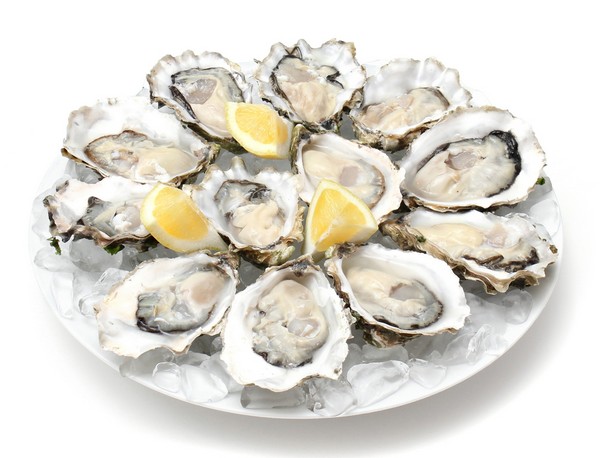
Along with red and black caviar, foie gras, and champagne, oysters are a symbol of elite status worldwide, despite their unpresentable appearance—the shells are often darkened by dirt. The mollusk's flesh is very juicy and delicious, beige in color, surrounded by a clear, aromatic broth.
Oysters come in two varieties: regular and jumbo. The former are usually quite inexpensive, while the latter are significantly more expensive.
These mollusks are sold fresh, cooked or canned.
How and when to buy?
In the northern hemisphere of the globe, in many countries there is a rule to eat oysters and other seafood only in those months of the year whose names contain the letter "r", so shellfish are eaten from September to April.
During the summer months, oysters multiply, and their flesh becomes unpleasantly soft and mushy.
The best flavor, of course, comes from shellfish bought alive. If you don't like opening the shells yourself, you can ask the seller to do it for you when you buy them, but remember to eat the oysters as quickly as possible afterward.
Oysters grow very slowly. It takes them three years to reach a length of 5 cm. Generally, oysters are ready to eat when they reach 1 cm. However, the larger the shellfish, the greater the flavor and enjoyment experienced by those who eat it.
Oyster meat is simultaneously sweet and salty, with a slightly oily flavor. The larger the shell, and the smoother and more flawless it appears, the more likely it is to be eaten raw or cooked.
Culinary uses
Scrub the shells with a stiff brush under cold running water; any shells that are damaged or cracked should be discarded. If the shells are half-open or don't close tightly after being tapped, they should also be discarded, as the mollusks inside are already dead.
Now wrap a towel around your left hand and grasp the shell. Take a sharp knife in your right hand, carefully insert it between the shell flaps, and begin moving it from side to side to open the shell wider and remove the mollusk. Using the knife, loosen the oyster from its shell, allowing it to rest in its own juices. If there are any fragments of shell inside, carefully remove them with the tip of the knife. Be careful not to spill any juice.
Frozen oysters should be defrosted by first transferring them from the freezer to the refrigerator for at least 4 hours. Then they can be removed and eaten immediately.
Place ice on a plate and arrange the oysters on top if you plan to eat them raw. Serve with lemon juice, French shallot vinegar, Tabasco sauce, or mirin (a Japanese rice wine).
Oysters can also be grilled. To do this, remove them from their shells ahead of time, sprinkle them with breadcrumbs, herbs, and grated Parmesan cheese, and then grill for 2-3 minutes. They can also be pan-fried or steamed, which also takes 2-3 minutes.
Oysters are also used in other dishes. For example, they can be used as a pie filling or wrapped in bacon, pancetta, or Parma ham, then fried for 6 minutes.
Instead of oysters, mussels or other mollusks can be used in cooking.
Storage
Wrap the shells in a damp towel and refrigerate them. They'll keep this way for up to three days, but the sooner you eat them, the better they'll taste. Shucked oysters should also be refrigerated, but they should be eaten the same day you buy them.
Categories
Culinary Encyclopedia / Fish and seafoodSimilar material
Assorted deep-fried seafood

Yakitori party
Shiitake mushrooms and abalone in brown gravy
Foods that nutritionists avoid
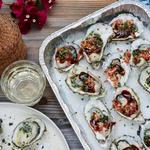
Three Grilled Oyster Recipes

Cornbread Stuffing with Oysters

Choose foods over supplements
Bread stuffing with oysters
Bread stuffing with oysters and bacon (side dish)
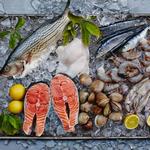
6 Easy Ways to Grill Fish
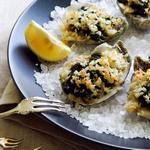
Oysters Rockefeller
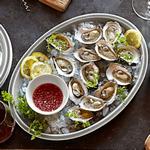
Raw oysters in shells
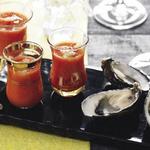
Oyster shooters
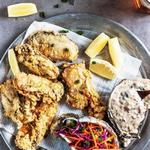
Deep-fried oysters
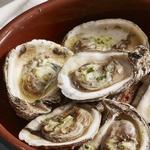
Baked oysters with garlic parsley butter
Summer appetizers for the holiday table - recipes with
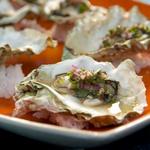
Grilled oysters with mignonette sauce and herbs

The Best Grilled Appetizers – 20 Recipes
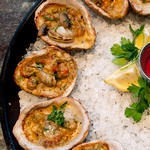
Grilled oysters with Fra Diablo sauce
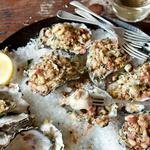
Grilled oysters with bacon and mignonette sauce
The best dishes for a romantic dinner on Valentine's Day
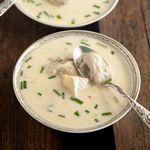
Cream soup with oysters, brie cheese and champagne
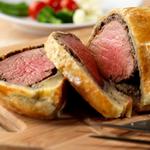
Beef Wellington with oyster pate
Seafood gumbo with sausage and crispy okra
Seafood Gumbo

50 Hot Dogs by State of America

50 Easy Appetizer Recipes
How to Grill Seafood
Oysters in tempura batter with dressing
What words should every black lover know?
How to buy fresh fish and seafood

Oyster Roast Picnic –
Appetizers
Beer snacks
Cheese appetizers
Sandwiches
Snacks
Canapes
Assorted appetizers
Snacks with sauces
Meat appetizers
Fish appetizers
Vegetable appetizers
Egg appetizers
Soups
Cold soups
Creamy soups
Cream soups
Soups with dressings
Clear soups
Vegetable soups
Thick soups, stews
Meat soups
Fish soups
Soups with pasta and cereals
Main courses
Meat
Bird, game
Side dishes
Vegetables, mushrooms
Fish, seafood
Cereals, legumes
Eggs, dairy products
Pasta
Casseroles
Salads
Warm salads
Vegetable salads
Leafy salads
Fruit salads
Salads with cereals and pasta
Salads with meat
Salads with fish
Salads with eggs
Salads with beans
Salads with bread
Fast food
Hamburgers
Sandwiches
Hot dogs
Pizzas
Hot sandwiches
Tortilla Dishes
Pita dishes
Pancakes
Sauces for fast food
Deep-fried dishes
Sauces
Seasonings
Gravies
Dips
Spreads
Barbecue glazes and sauces
Salad dressings
Oil mixtures
Emulsion sauces
Sweet sauces
Hot sauces
Sauces for fast food
Grill, barbecue
Grilled meat
Grilled poultry
Grilled fish
Smoked dishes
Grilled vegetables and fruits
Grilled flour products
Barbecue glazes and sauces
Bakery
Savory pies, pizzas
Homemade bread
Potato pancakes, pancakes
Unsweetened buns, pies
Unsweetened cookies and muffins
Desserts
Cupcakes
Fruit desserts
Cookie
Cakes
Donuts, pies, buns
Candies and small sweets
Creams, sauces, mousses, puddings
Soufflé, meringues, meringues
Jelly
Ice cream, sorbets
Cakes
Sweet pies, tarts
Pancakes, fritters, waffles, toast
Breakfast cereals, granola, muesli
Drinks
Milkshakes
Smoothies, granitas
Coffee and chocolate based drinks
Fruit drinks, juices
Tea and herbal drinks
Hot drinks
Alcoholic cocktails
Cocktails with vodka
Cocktails with gin
Whiskey cocktails
Cocktails with wine
Cocktails with brandy, cognac
Cocktails with absinthe
Cocktails with rum
Cocktails with sparkling wine
Tequila cocktails
Cocktails with beer
Cocktails with liqueurs
Frozen cocktails
Cooking methods
Air fryer
Pressure cooker
Cold dishes
Multicooker
Stuffed dishes
Deep-frying
Double boiler
Pan
Baking tray
Foil
Oven
Roaster
Mixer
Blender
Brazier
Food processor
Microwave
Wok
Pickled dishes
Dried and cured foods
Pickled dishes
Poached dishes
Salty dishes
Smoked dishes
Canned goods
Seasonal dishes
Festive dishes
New Year
Christmas
Valentine's Day
March 8
Easter
May 1st
Halloween
Birthday
Party Dishes
Wedding dishes
Cocktail party
Dinner party
Mother's Day
Cuisines of the world
European
French
Italian
Spanish
Greek
English
Irish
German
Portuguese
Austrian
Polish
Russian
Scandinavian Swedish
Asian Chinese Japanese Thai Vietnamese Korean Filipino
Arabic Jewish Turkish
Indian
African Moroccan
American Hawaiian Cajun Canadian Tex-Mex
Latin American Mexican Venezuelan Argentine Brazilian
Caribbean Cuban Jamaican
Scandinavian Swedish
Asian Chinese Japanese Thai Vietnamese Korean Filipino
Arabic Jewish Turkish
Indian
African Moroccan
American Hawaiian Cajun Canadian Tex-Mex
Latin American Mexican Venezuelan Argentine Brazilian
Caribbean Cuban Jamaican
Categories
Breakfasts
Lunches
Dinners
Children's dishes
Dishes for future use
Budget recipes
Comfort food
Recipes for one
Recipes for two
Picnic
Backyard Recipes
Dishes for fans
Movie Night Dishes
Cooking methods
Food Network Recipes
Recipe collections
Recipes by ingredients
Healthy eating
Healthy breakfasts
Lunches
Dinners
Healthy snacks
Dishes rich in fiber
Gluten-free dishes
Low sodium content
Low-calorie dishes
Dishes for diabetics
Low-carb meals
Low fat content
Low cholesterol
Calorie content of prepared meals
Vegetarian dishes
Vegan dishes