Foods that nutritionists avoid
Votes: 4
Everyone indulges in unhealthy foods from time to time, even nutritionists. But they'd never touch these foods.
Diet soda
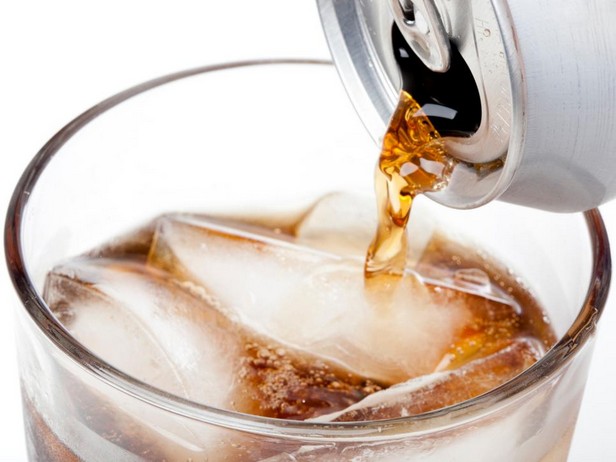
"I cut diet soda out of my diet about five years ago. I realized I didn't need a daily dose of unnatural ingredients, and it was much better to drink water and plant-based beverages throughout the day—like homemade iced tea, hot tea (regular and herbal), and coffee. There's probably not enough scientific evidence to support the harm of diet drinks, but I don't think they offer any benefits. About a year ago, I tried diet soda on a plane—after not drinking it for several years—and the taste was absolutely disgusting. So, I guess I'm not missing anything!"
— Sharon Palmer, RD, author of Plant-Powered for Life
Coconut milk ice cream
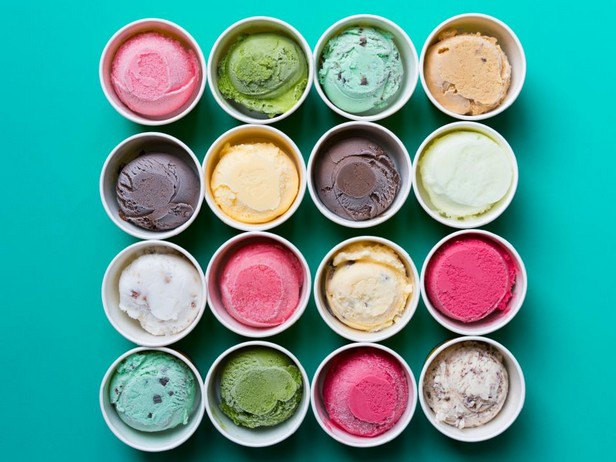
"Would you give up a high-quality product for an imitation? This dessert seems healthier because it's plant-based, but it will disappoint. Coconut milk ice cream is inferior in texture and usually in protein content, and the use of coconut oil is generally overrated. But the worst thing about this dessert is that EVERY bite tastes of coconut. I love coconut, but not in every spoonful of chocolate, strawberry, blueberry, and other flavored ice cream. The calorie content of coconut ice cream and regular ice cream is the same, so it's worth asking yourself: do I want to eat a tasteless imitation ice cream or enjoy high-quality cow's milk ice cream? I'll choose regular ice cream without unnecessary additives."
— Jonathan Valdez, RD, owner of Genki Nutrition, and spokesperson for the New York State Academy of Nutrition and Dietetics
Raw oysters
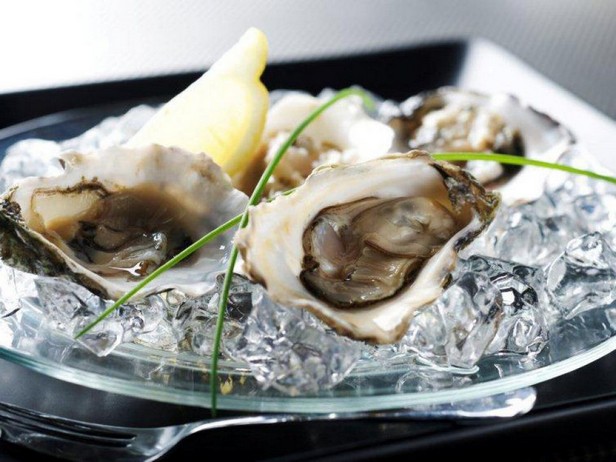
"I won't eat raw oysters in their shells... They don't inspire confidence. They're also slippery, and you don't chew them, you just swallow them. It's not very pleasant."
— Nancy Clark, sports nutritionist and author of Nancy Clark's Sports Nutrition Guidebook
Corn dogs

"You'll never catch me eating a corn dog at a festival. I know all too well what's in the fatty, processed meat these hot dogs are made from: corn syrup, nitrates, fillers, fat, and more fat. In fact, there's very little protein in them. Threading hot dogs onto wooden sticks, coating them in a batter made from refined cornmeal, and frying them in copious amounts of oil? No thanks!"
— Joy Bauer, RD, founder of Nourish Snacks, nutrition expert on NBC's Today Show
Low-fat peanut butter
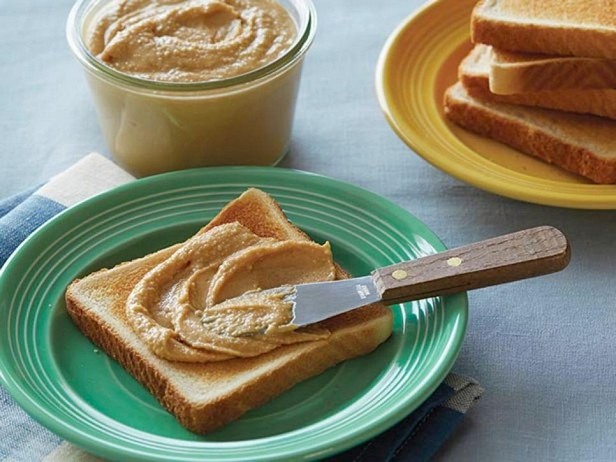
"Many of my clients are surprised to hear that low-fat peanut butter isn't necessarily a healthier option. Regular and low-fat peanut butter have roughly the same number of calories (200 calories per 2 tablespoons), but low-fat peanut butter has more refined carbohydrates and sugar. Why? The fat that would be in low-fat peanut butter is replaced by other ingredients: corn syrup solids, sugar, and molasses (which are also sugars), as well as starchy fillers. These additives increase the sugar content to 4 grams and the total carbohydrate content to 15 grams. Compare this to natural peanut butter, which has only 1 gram of sugar and 6 grams of carbohydrates."
— Tanya Zuckerbrot, nutritionist, creator of the F-Factor diet and author of The Miracle Carb Diet
Donuts
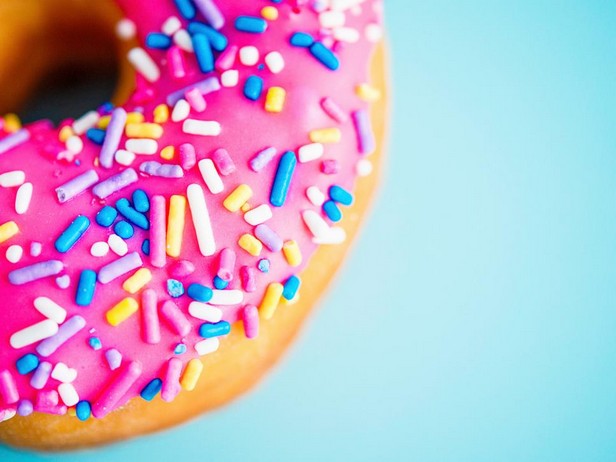
"I believe breakfast is the most important meal of the day, but if you only eat a donut in the morning, you're missing out on something more nutritious. By starting your day with a donut, you're likely missing out on a healthier breakfast that could include eggs, fruit, whole grains, yogurt, and even vegetables. Donuts are made with white flour, sugar, oil, artificial flavors, and nothing else. They contain no vitamins, minerals, fiber, or protein, and they don't help you supplement your diet with healthier fruits and vegetables."
— Liz Weiss, nutritionist and author of the healthy eating podcast and blog Liz's Healthy Table
Factory-grown vegetable sprouts
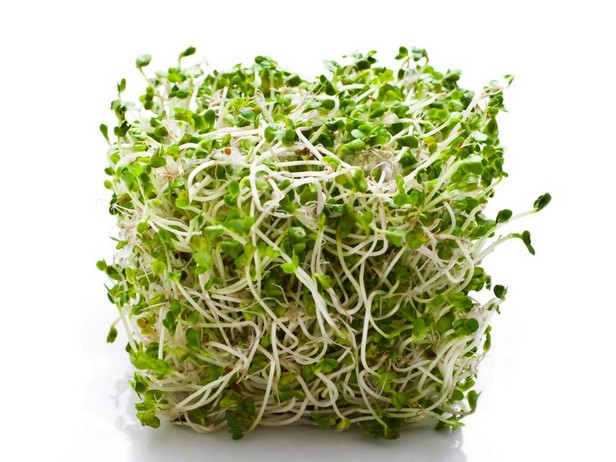
"I don't eat or buy commercially grown bean sprouts. They are more susceptible to bacterial contamination because they grow in optimal conditions—warm and humid. In fact, there have been many reported cases of illness associated with consuming bean sprouts or alfalfa."
— Sherry Coleman Collins, RD, nutritionist, dietitian at Southern Fried Nutrition
Vegetable cream
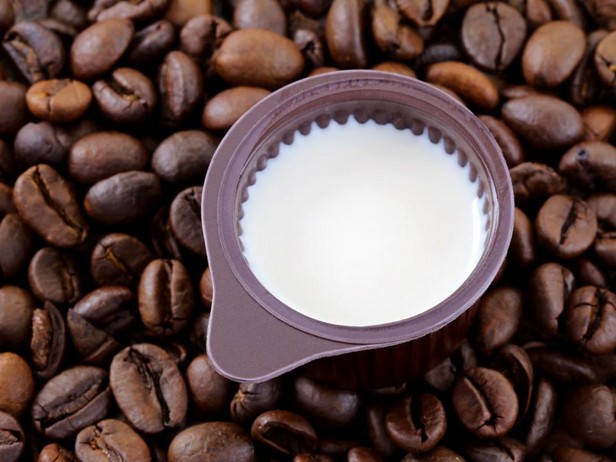
"They usually contain corn syrup, partially hydrogenated oils, and a whole host of other additives. No, thank you. I generally avoid most products containing partially hydrogenated oils; the trans fat limit is so low (2 grams) that it's not worth it."
— Alex Caspero, RD, owner of Delish Knowledge and author of Fresh Italian Cooking for the New Generation
Soy-based vegetable burgers
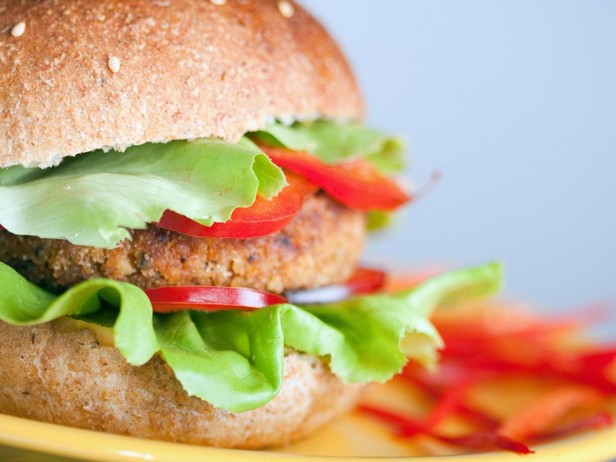
"Lab-created meat products are all the rage these days, but I have no desire to try these newfangled patties. I've eaten plenty of delicious and filling burgers with plant-based patties—made with black beans, vegetables, and grains—and I'm happy to continue enjoying them. These "meat" products are a far cry from what I consider whole, minimally processed foods—the kind of food we should be eating every day. Just because a product is plant-based doesn't mean it's healthy. These synthetic meat substitutes are highly processed, lacking the fiber, phytochemicals, vitamins, and minerals our bodies need, and often contain refined carbohydrates."
— Carman Meyer, nutritionist, author of TheNutritionAdventure.com
Store-bought sponge cakes

"While I love good desserts, these store-bought treats don't appeal to me at all. Firstly, the ingredients include artificial flavors and additives, and sometimes even trans fats. Secondly, these high-calorie desserts are marketed as snacks for kids or on-the-go. Dessert should be something special, and I'd rather choose a quality treat made at home."
— Jenna Braddock, sports nutritionist and author of the blog Make Healthy Easy
Semi-raw beef
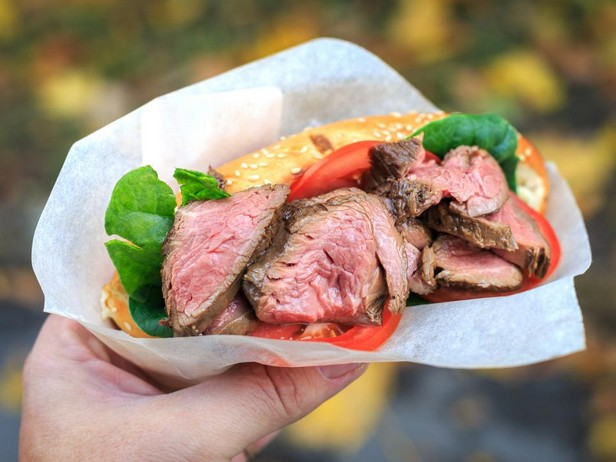
"I won't eat rare beef—I don't want to get sick. Bacteria in undercooked meat can cause stomach pain, upset stomach, or worse. In rare cases, it can be life-threatening. It's not worth it for me. Steak should be cooked to an internal temperature of at least 145°F (62°C). Ground beef, which is more likely to be contaminated with bacteria, requires at least 165°F (71°C). Always, always, always use a good meat thermometer!"
— Jill Weisenberger, FADN, author of "Prediabetes: A Complete Guide"
Crickets
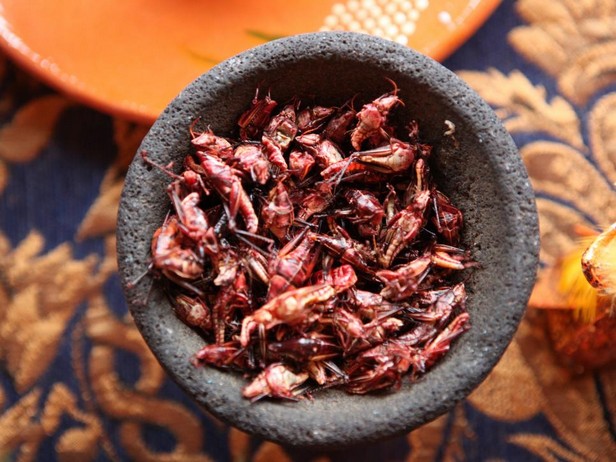
"A lot of people are jumping on the cricket bandwagon, but I won't eat that. I know they're a good, clean source of protein, but I just can't bring myself to eat them. I suppose I could eat them if I were out in the wild with Bear Grylls, but they're definitely not my go-to post-workout snack."
— Frances Largeman-Roth, registered dietitian, nutrition expert, and author of "Eating in Color"
Imported farm raised shrimp
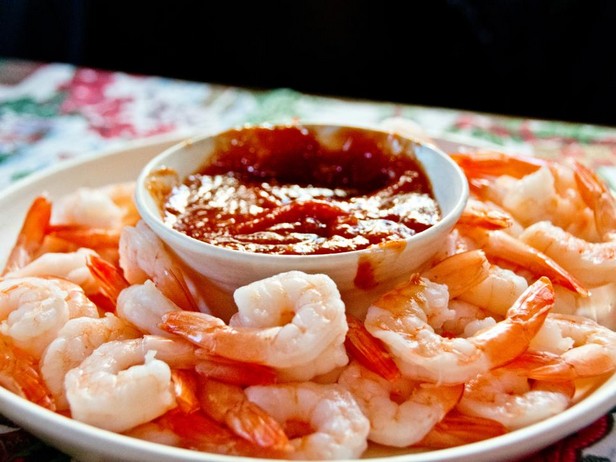
"I'm committed to buying and eating only sustainable seafood—it's important for both the environment and my health. Imported shrimp is often farmed in unsustainable conditions and contains a lot of chemicals and antibiotics. This can be challenging, as 94% of the shrimp consumed in the US is imported!"
— Christy Del Coro, Senior Nutritionist, SPE Certified
Bologna
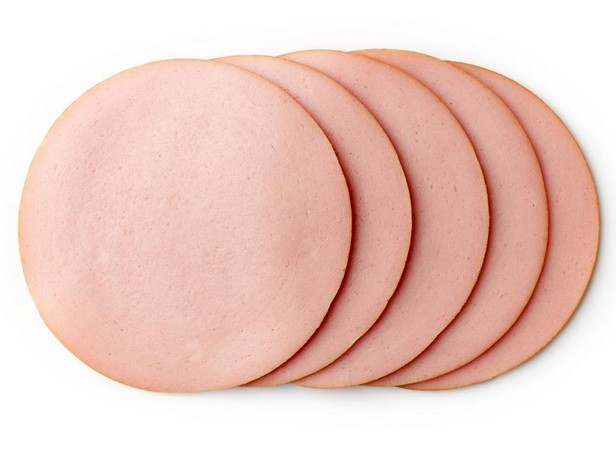
"Everyone's different, of course, but the mere thought of cooked bologna has always repulsed me. Perhaps it's because of vivid memories of the school cafeteria, where that smell permeated. I admit, I sometimes eat cold cuts like nitrate-free, low-sodium turkey. However, according to the American Dietary Guidelines, sodium intake should be minimized. One ounce of bologna typically contains over 250 mg of sodium, meaning a sandwich with 3 ounces of meat and two slices of bread contains 1,000 mg of sodium per serving. If you love cold cuts, roast some pork (or turkey) and slice it for sandwiches!"
— Elizabeth Shaw, registered dietitian and nutrition expert, ShawSimpleSwaps.com
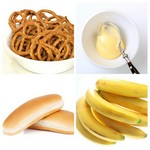
Pretzels
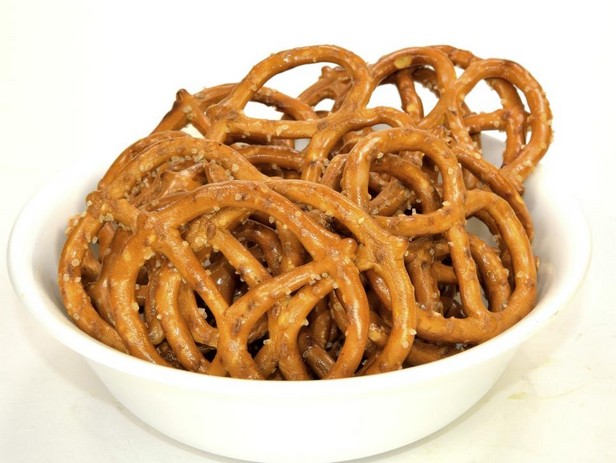
"I'm not saying I'll starve myself to avoid pretzels, but they're definitely a food I avoid, even if I have few alternatives. Here's why: they're essentially a bowl of sugar! A refined carbohydrate product lacks the nutritional benefits that make you feel full. It's also why they're easy to overeat—there's no fiber, protein, or healthy fats. I think of a pack of pretzels as a big bag of jelly beans. That sugar overload messes with your hormones and contributes to weight gain. And all that for a boring pretzel? No thanks."
— Cary Glassman, nutritionist at Nutritious Life
Low-fat whipped cream
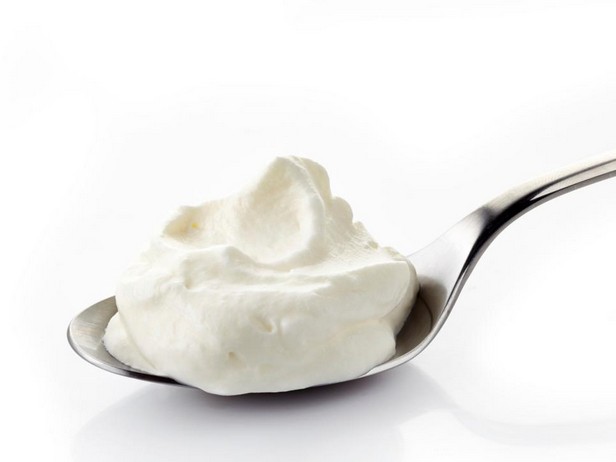
"One thing I will never eat is fat-free whipped cream. To me, it tastes like the artificial ingredients it's made with, and I don't like that. If I want a creamy topping for a dessert, I'll use a dollop of fresh whipped cream—a very small amount is needed for a special dessert—and nothing beats its flavor. Or, for a natural, lighter topping, I'll add plain Greek yogurt—it goes well with any fruit dessert."
— Ellie Krieger, nutritionist, television host, and award-winning food writer
Low-fat cheese
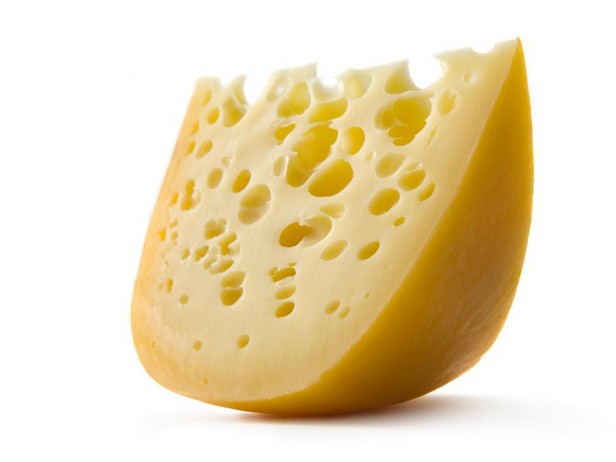
"I don't like low-fat or fat-free cheese (except cottage cheese and cream cheese) because it's stringy and lacking in flavor, which can lead me to overindulge. If I eat a full-fat cheese that I really crave, I find it easier to stop (and often need less of it to feel full).
— Kaylee McMordie, nutritionist at Lively Table
Coffee-based cocktails
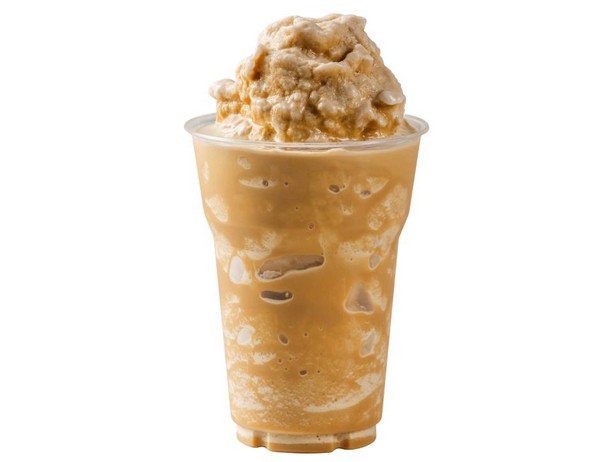
"I'm a coffee lover who enjoys a cup in the morning and midday, but I steer clear of flavored coffee drinks loaded with sugar. These drinks can contain up to 81 grams of sugar! That's the equivalent of drinking two cans of soda, about 20 teaspoons of sugar, which can spike insulin levels and contribute to fat accumulation around the waist. Besides the sugar, these drinks can contain up to 510 calories, which for some people is equivalent to an entire meal."
— Manuel Villacorta, nutritionist, author of Whole Body Reboot: The Peruvian Superfoods Diet
Nacho cheese sauce
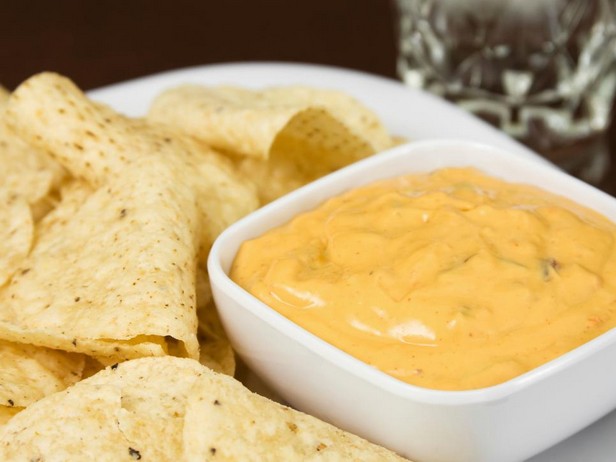
"That cheese spread they sell at stadium or fairground kiosks. It's basically a sauce that usually doesn't contain any real cheese. It turns me off because it always looks the same, and I know it's made with cheap, artificial ingredients."
Poultry meat
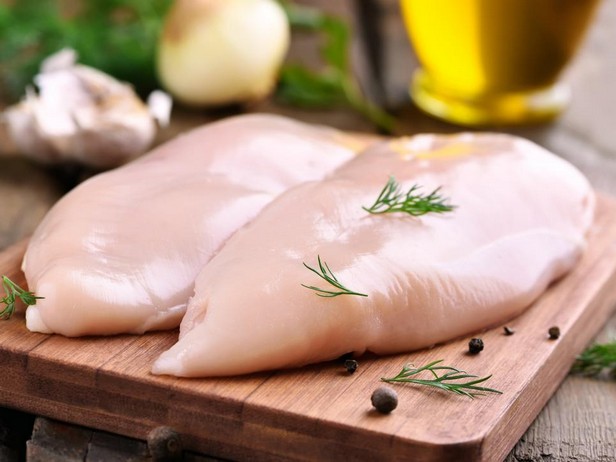
"I've been a vegetarian for about 18 years. Although I don't eat meat, poultry, or seafood, I make sure I eat quality protein for energy and muscle building. My favorite source of protein is eggs. One large egg has 6 grams of protein per 70 calories, and it's one of the easiest types of protein for our bodies to utilize. I eat both the whites and the yolks, as the yolk contains brain-boosting nutrients like choline and contains over 40% of the total protein in the egg. I love making omelets, as well as egg "pancakes" filled with ricotta and berries, and deviled eggs with avocado."
— Amy Gorin, registered dietitian and owner of Amy Gorin Nutrition in New York City
Store-bought toaster cookies
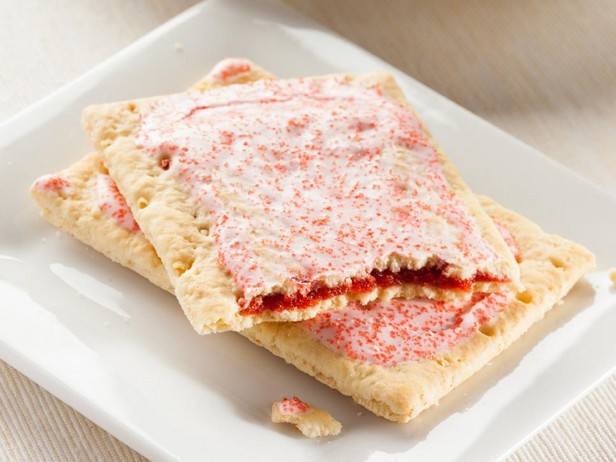
"One serving of these cookies, in most flavors, contains about 200 calories and 15-20 grams of sugar. But many people eat two cookies (a standard package), doubling the sugar and calories. These cookies are also very low in fiber and protein—nutrients that should be included in a healthy breakfast."
— Jim White, nutritionist, owner of Jim White Fitness and Nutrition Studios
Bacon
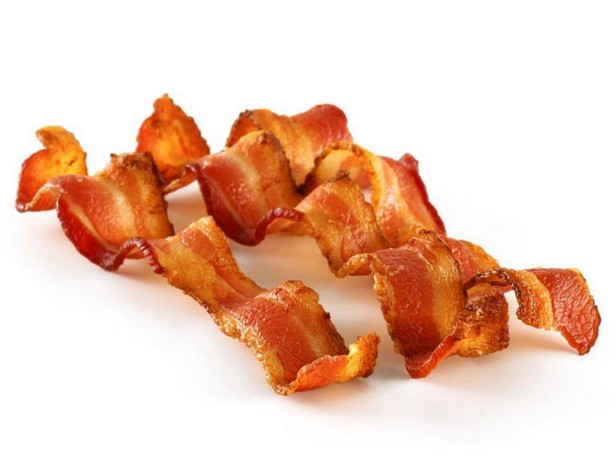
"I'll admit, I love the smell and sound of frying bacon, and I find it surprising that Americans love it for breakfast—but I'll happily give it up. Bacon contains 68% of its calories from fat, half of which is saturated fat. Each strip of bacon has nearly 200 mg of sodium, and most people don't limit themselves to just one slice. And while everyone should indulge occasionally, it's not really about the nutritional value of bacon. It's essentially long layers of fat from the sides of the pig, running parallel to the skin. Not the most appetizing picture...and certainly not on my plate."
— Bonnie Taub-Dix, nutritionist, owner of BetterThanDieting.com
Categories:
Healthy eating / Vegan dishes / Dishes rich in fiber / Gluten-free dishes / Low sodium content / Low-calorie dishes / Dishes for diabetics / Low-carb meals / Low fat content / Low cholesterol / Healthy breakfasts / Healthy lunches / Healthy dinners / Healthy snacks / Healthy heart / Vegetarian dishes / Recipe collections / Food Network - recipes / Culinary articles
Recipe collections







Similar recipes