How to get rid of insects in your pantry
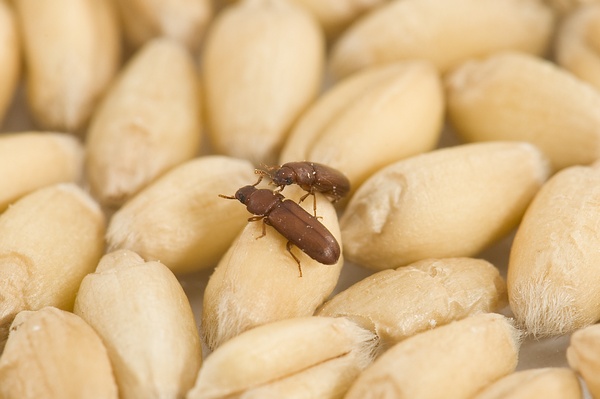
Almost all dry foods stored at home, such as flour, crackers, pasta, and dry pet food, can harbor insects. Once infested, the food becomes unfit for consumption. Anyone who has encountered insects in the kitchen understands the real battle they require.
The first thing you need to do after seeing insects in your kitchen is figure out what exactly they eat. The most common kitchen pests are beetles, butterflies, and worms.
Flour and grain beetles
If you see reddish-brown bugs in your grain, you have a grain beetle. It's quite small and brown or reddish-brown in color. This beetle is found in cereals and grain products, seeds, nuts, dried meat, dried fruit, and candy. The beetle lays eggs directly on or near the food, often inside plastic packaging. The eggs hatch into brownish larvae, which feed on the food for several weeks before pupating to become an adult beetle, which will live in your pantry for another two or three years.
The other two types of beetles found in pantries are the chestnut beetle and the flour beetle. Both are also reddish-brown in color, but they are larger than the grain beetle. These beetles feed on grains, cereals, dried peas, beans, spices, and even cayenne pepper. Hundreds of these beetles can live and breed in just one box or bag. And if the bag is in the pantry, they can migrate throughout the room, infesting everything they can. They primarily infest unpackaged food. The female beetle lays sticky eggs, which are so well hidden in the food that you might not notice them, even if you carefully inspect everything in the pantry, while the pests continue to reproduce.
But that's not all. There are other types of beetles that infest food products. These include the tobacco beetle, the ham beetle, the sham beetle, and others. All of them feed on grains and dried foods, and some have specific preferences. For example, the bread beetle sometimes likes to snack on inedible items, such as cosmetics, medications, and even strychnine. The bread beetle will happily sample books on shelves, chew aluminum foil, or sheet lead! Some beetle species can reproduce up to five times a year, so if you don't start controlling them immediately, it will become much more difficult after a few months.
Worms and butterflies
Worms that infest flour are called mealworms. This term can be applied to a wide range of insect larvae that infest food products. They are especially common in grain products stored for long periods in damp, poorly ventilated areas, such as basements. The largest pest is the large mealworm, which can reach 3 cm in length. It takes a full year for these insects to develop from larvae to adults. Mealworms, or more specifically their larvae—mealworms—are included in various pet foods. If you bring live food into your pets' home, don't store it in the pantry, otherwise the mealworms in it can infest other foods.
The food moth, also known as the mill moth, is another common food pest. Adults have a wingspan of approximately 1.9 cm. It takes seven weeks for the food moth to mature. Its larvae are beige or pinkish in color and leave webs on the surfaces of the food they feed on.
How to fight insects?
The only way to combat pests is to constantly monitor the condition of your produce. This should be done in several stages:
1. Carefully inspect all produce. The presence of insects may be indicated by the presence of webs, dead beetles, pupae, live beetles, or their larvae. If the produce is heavily infested, it should be discarded.
2. If the insect-damaged food is valuable to you, you can heat it up or freeze it. Heat it to 55°C for 30 minutes. You can also put it in the freezer for at least 4 days.
3. Clean the shelves and cabinets where food is stored. You can vacuum them first, then wash them with soap and water. Pay attention to the edges and corners of the cabinets.
4. Lightly spray the shelves with insecticide, especially in the cracks where the horizontal shelves meet the side walls of the cabinets. If using a spray bottle is inconvenient, apply the insecticide with a thin brush.
5. After treating the shelves, cover them with clean paper and only then can you place food on the shelves.
6. Use airtight containers. Now that all your produce has been sorted and cleaned of pests, it's time to store it in a container with a tight-fitting lid to prevent further pests from entering. Periodically review your dried foods in their containers, and at the first sign of infestation, remove them from the pantry and heat or chill them as described above.
Votes: 1
Categories
Culinary articlesSimilar material

Vitamin C Cocktail

Spicy bean dip in one-two-three

Bean soup with pesto

French bean stew

Provencal pasta salad

Winter vegetable soup

Hummus with roasted sweet peppers

Tex-Mex Gnocchi Soup from the Pantry

An alcoholic cocktail from the pantry supplies

Simple hummus

Orzo pasta with cherry tomatoes
Simple Taco Seasoning

7 Cans Soup

Pantry-Stashed Linguine Pasta in Romesco Sauce

12 Quick Pantry Snacks

5 Winter Desserts from Your Pantry

When the fridge is empty: winter dishes from

Pantry-Stashed Bean Casserole

Creamy Mushroom Pasta from the Pantry

Raspberry sour milk sorbet

Basic dough for crepes (pancakes)

What is self-raising flour?

Potato Ball Arancini
Edible insects

Miso salad dressing and

Tuna Salad on a Flatbread "From the Pantry"

Pasta in tomato sauce "From the pantry supplies"
How to remove onion smell from your hands?

Lose excess weight with lemon juice

Kiwi

Orzo Pasta Salad with Shrimp and Feta Cheese

Tuscan Pasta Salad with Grilled Tomatoes