Foods that can kill if consumed in excess
Everyone knows that fruits, vegetables, and other gifts from Mother Nature are rich in vitamins beneficial to the human body. However, some treats contain toxic substances that, in large quantities, are harmful to health. Here is a list of potentially dangerous foods.
Cherries, plums, peaches, apricots: cyanide
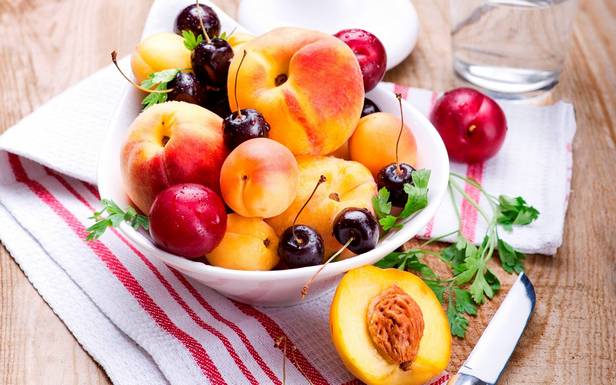
All stone fruits contain cyanide compounds, and the aforementioned specimens are among the highest in the world. Swallowing a stone fruit whole is safe, but if it's damaged, hydrogen cyanide will enter your body. The human body can easily handle small doses of this poison, but severe intoxication can cause problems, including headaches, nausea, difficulty breathing, and disorientation.
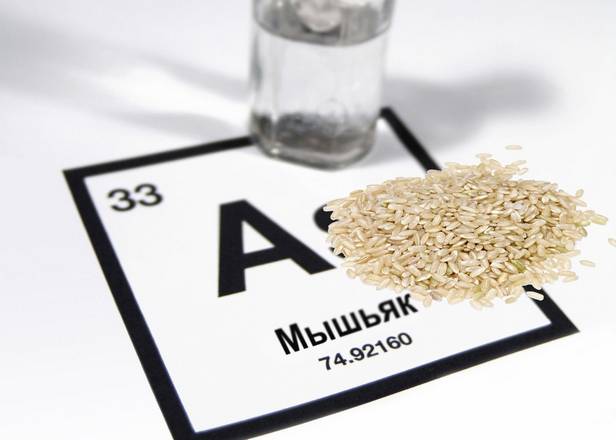
Rice: arsenic
Modern rice cultivation methods, faced with ever-increasing demand, involve the use of insecticides, which accumulate in the soil over the years. As a result, rice shelves are now filled with products containing high levels of arsenic. The highest levels of the poison were found in brown rice, while polished white rice contained the least.
Eating this grain daily won't notice any changes in your health. Arsenic accumulates in the body over the years, causing heart disease and cancer.
Rhubarb: oxalic acid
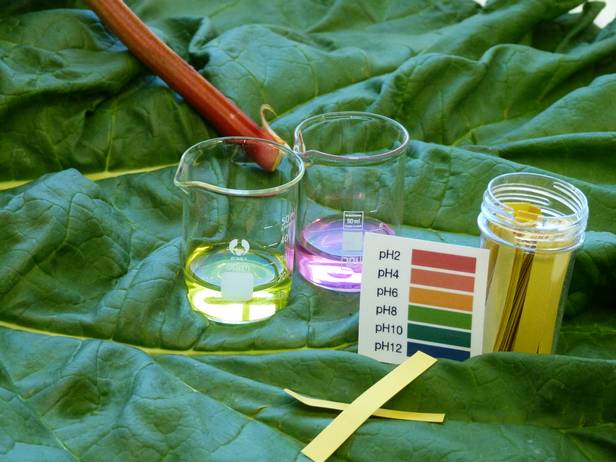
Brightly colored rhubarb is often used to make sauces, cocktails, and pie fillings. This plant contains oxalic acid, which is found in household bleaches and anti-corrosion products. Excessive consumption of rhubarb can cause a burning sensation in the mouth, a sore throat, nausea, and cramps. It's important to remember that the leaves, which contain most of the acid, remain toxic even after cooking.
Potato: Solanine
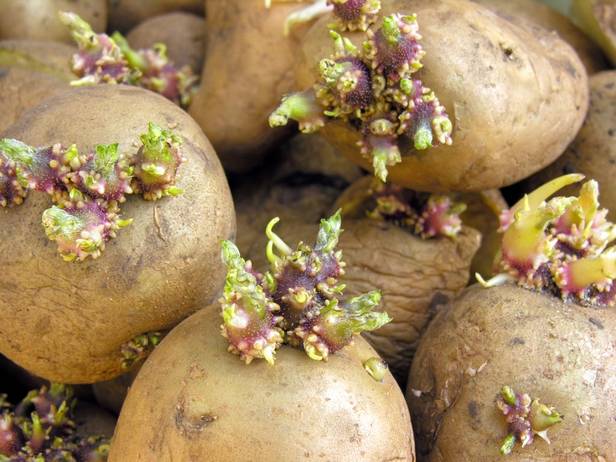
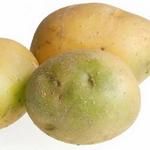
Potatoes are grown all over the world. Their tubers are completely safe and edible unless they develop white sprouts or turn green from exposure to ultraviolet rays. Such specimens are poisoned by solanine, a substance that can cause nausea, abdominal pain, diarrhea, and vomiting.
To avoid the formation of poison, the vegetable should be stored in a dark and cool place.
More about solanine: How poisonous are green potatoes, or solanine poisoning?
Nutmeg, parsley, fennel, celery: myristicin
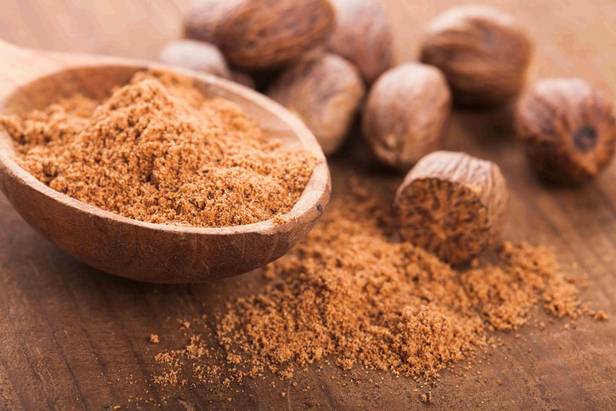
Myristicin is a psychedelic substance that induces altered consciousness. Overdoses can cause headaches, nausea, excessive sweating, and hallucinations. However, there's no need to worry. The amount of the poison ingested during cooking with herbs and spices is negligible, so there won't be any negative effects.
Cashew: urushiol
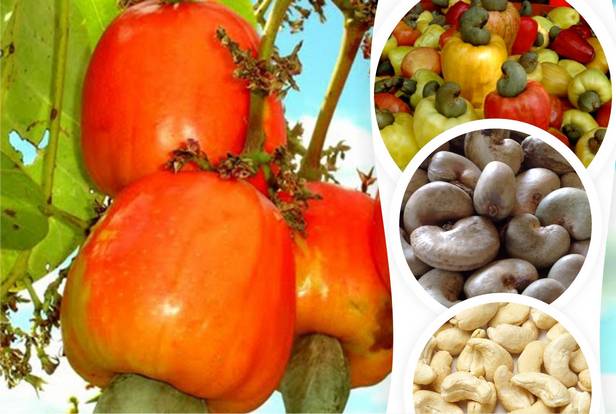
Cashews are not nuts, but the seeds of a fleshy, oblong fruit. Raw cashews are steamed to destroy a toxin called urushiol, which is a powerful allergen that causes rashes and redness of the skin.
Tomatoes: glycoalkaloid
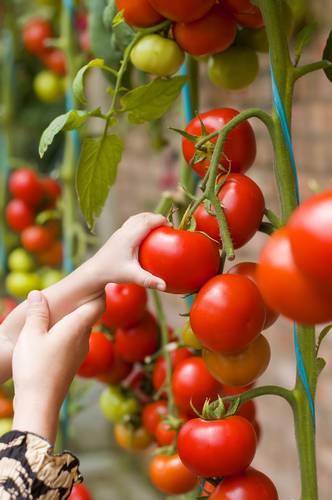
Tomato leaves and stems contain significant amounts of glycoalkaloid. The fruit also contains some of this substance. In large doses, glycoalkaloid can cause aggression, obsessive-compulsive disorder, and headaches. Green tomatoes, however, are completely safe; they do not contain this toxin.
Author of the article: Olga Bocca "TopCook"
Votes: 1
Categories
Culinary articlesSimilar material

The best products for relaxing at the beach or in the park

Products for maintaining water balance

Supermarket products that are better

8 Foods You Shouldn't Eat at Night
15 foods you shouldn't store in
Heart-Healthy Foods

15 foods that ruin your skin

10 foods you should eat more often
9 Foods That Contain Lean Protein

Culinary folk remedies that

How to protect yourself from bacteria in the grocery store

The best foods to boost immunity
How poisonous are green potatoes, or

How to properly store food and kitchen utensils
Foods rich in manganese

Why is kosher cuisine in fashion?

Foods You Should Never Eat Raw
Legumes: Their Advantages and Disadvantages
Coconut products, composition, replacement

Safe barbecue
What to fill the refrigerator and freezer with?

Helpful cooking tips
Marinade for fish and seafood

The most expensive food products

Prohibited foods
Meat substitutes
Types of food packaging and containers
What is gelatin made of?
Benefits of legumes

Food additives in food products

What foods should not be stored in the refrigerator?
How to get rid of insects in your pantry