How to properly store food and kitchen utensils in the kitchen
Many people have such a messy kitchen that they can't always find the ingredients they need when preparing meals. Now we'll teach you how to organize your ingredients so everything is always within reach.
Many people have such a messy kitchen that they can't always find the ingredients they need when preparing meals. Now we'll teach you how to organize your ingredients so everything is always within reach.
Products you buy in supermarkets or smaller shops always have instructions on where they should be stored. If a product is kept in the freezer or on a refrigerated shelf at the store, it should be stored under the same conditions at home. Some products should only be refrigerated after opening, but even there, they can only be kept for a limited time. Wine, for example, is one such product. To ensure fresh consumption, mark the bottle when it was opened.
There are several basic rules for storing food in the refrigerator.
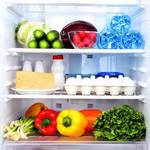
– Ready-to-eat products – yoghurts, butter, spreads, cheeses and sausages – should be stored on the top and middle shelves.
"Anything that still needs to be cooked—raw meat or fish—should be stored at the bottom. If they leak, they won't spill their juices on the other dishes and ingredients."
If you store fruits or vegetables in the refrigerator, be sure to wash them before eating. Ideally, keep them in a plastic bag in the refrigerator to prevent them from getting contaminated.
Avoid storing strong-smelling foods in the refrigerator for long periods of time. These include chopped onions and green onions, smelly cheeses, and smoked fish. Even if you do store them in the refrigerator, they should be kept on the top shelf so they can be easily accessed and eaten. Cheese and smoked fish should be stored at a temperature of at least 5°C.
In winter, if it's cold outside, odorous foods can be placed in an airtight container and placed on the balcony. However, it's best to buy these foods immediately before eating them and try to eat them as quickly as possible.
Avoid placing strong-smelling foods near eggs and dairy products. Dairy products quickly absorb the odor, making them unpleasant to eat. Eggs should be stored in a store-bought carton or in a separate section of the refrigerator.
It's best not to keep bread in the refrigerator; it dries out quickly. Freezing it is better.
An unpleasant odor may occasionally appear in your refrigerator. To prevent this, clean shelves, drawers, and other areas of the refrigerator compartment with warm, soapy water. Avoid using toxic, strong-smelling commercial cleaners. Their chemical odors can transfer to your food. If you've cleaned your refrigerator with soapy water and the unpleasant odor persists, wipe the shelves with a cloth soaked in diluted vanilla essence. To prevent bad odors from developing in your refrigerator, discard spoiled food promptly.
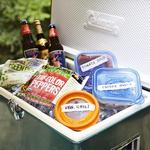
Leftovers you haven't eaten should be put in the freezer as quickly as possible. Sometimes you think there's no need to freeze them and that you'll eat them soon. Often, you don't get to eat them, and they simply spoil. Uneaten food should be stored in airtight plastic containers, labeled or marked with a marker indicating when you put the food in.
If you like to buy food in bulk, check the expiration dates and whether they're safe to freeze. It's better to immediately put purchased food in the freezer and then use it later, defrosting it in the refrigerator within 24 hours, than to put it in the refrigerator and discover by the end of the week that its expiration date has passed and you'll have to throw it out.
Vegetable oils should be stored in the dark. They will deteriorate if exposed to sunlight, heat, or air. Therefore, oils should be stored in tightly sealed bottles in a tightly closed, dark cabinet, not on shelves or on the counter near the stove.
Garlic, onions, and potatoes should also be stored in the dark. They won't sprout there. It's important to keep them dry to prevent them from spoiling. It's a good idea to place these vegetables in a brown paper bag beforehand. Each vegetable should be stored in its own bag.
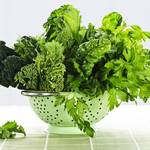
Root vegetables, like most other vegetables, store well without refrigeration, but they'll last longer if refrigerated. Leafy greens should always be refrigerated and consumed promptly. At the very least, they're best kept for no more than a week.
Citrus fruits, wild berries, pineapples, cherries, and watermelons don't ripen after harvesting; they just spoil. Storing them in the refrigerator will slow down their spoilage.
Stone fruits like peaches, nectarines, and plums ripen after harvest, just like melons, mangoes, and tomatoes. If you plan to eat them quickly, avoid refrigerating them. If you want to store them for a while, it's best to refrigerate them.
Apples and pears also ripen after being picked from the tree. However, if apples become too ripe, their texture can become unappealing and crumbly. After all, apples are more enjoyable when they're crisp. Store them in a separate drawer in the refrigerator. However, remember that they emit a gas that can spoil other foods.
Banana peels darken in the refrigerator. If this happens to you, it doesn't mean the bananas have gone bad. Their flesh remains fresh and delicious. Storing bananas in the refrigerator helps them ripen more slowly. You can also peel, cut, and freeze bananas for use in smoothies or ice cream. Placing a ripe banana in a bag with an avocado will also help the avocado ripen faster.
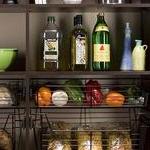
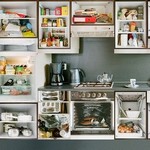
When it comes to arranging ingredients on cabinet shelves, organize items into groups and place the ones you use most often where they are easiest to reach.
How to combine products and items into groups?
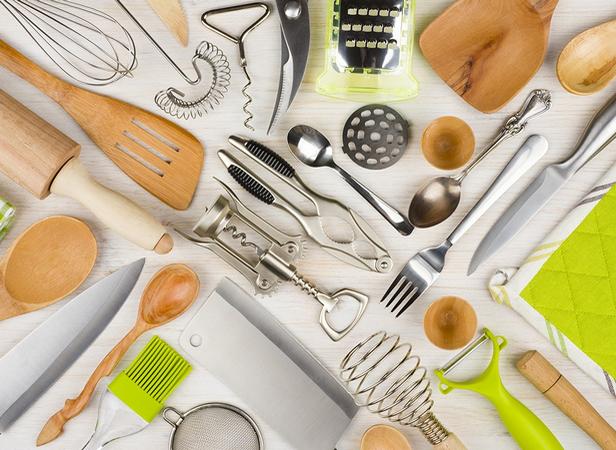
– Place pans, hot pads, utensils, cake stands, muffin tins, oven mitts, and a meat thermometer all in one place.
– Place tea, coffee, teapots, milk jugs, strainers in another place.
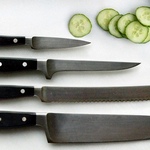
– Put knives, measuring spoons, scales and cutting boards in the third place.
– Keep kitchen towels, rags and cleaning products near the sink.
– Clear countertops of unnecessary items. If you use a toaster or bread slicer once a week, find a place for these items on cabinet shelves so they don't take up counter space.
– Plates and knives should be stored vertically, not horizontally.
Now, if you follow our tips on how to properly store food and kitchen utensils in the kitchen, you'll always have everything within reach. This will make cooking and even just being in the kitchen more enjoyable.
Fridge
Products you buy in supermarkets or smaller shops always have instructions on where they should be stored. If a product is kept in the freezer or on a refrigerated shelf at the store, it should be stored under the same conditions at home. Some products should only be refrigerated after opening, but even there, they can only be kept for a limited time. Wine, for example, is one such product. To ensure fresh consumption, mark the bottle when it was opened.
There are several basic rules for storing food in the refrigerator.
– Ready-to-eat products – yoghurts, butter, spreads, cheeses and sausages – should be stored on the top and middle shelves.
"Anything that still needs to be cooked—raw meat or fish—should be stored at the bottom. If they leak, they won't spill their juices on the other dishes and ingredients."
If you store fruits or vegetables in the refrigerator, be sure to wash them before eating. Ideally, keep them in a plastic bag in the refrigerator to prevent them from getting contaminated.
What foods should not be stored in the refrigerator?
Avoid storing strong-smelling foods in the refrigerator for long periods of time. These include chopped onions and green onions, smelly cheeses, and smoked fish. Even if you do store them in the refrigerator, they should be kept on the top shelf so they can be easily accessed and eaten. Cheese and smoked fish should be stored at a temperature of at least 5°C.
In winter, if it's cold outside, odorous foods can be placed in an airtight container and placed on the balcony. However, it's best to buy these foods immediately before eating them and try to eat them as quickly as possible.
Avoid placing strong-smelling foods near eggs and dairy products. Dairy products quickly absorb the odor, making them unpleasant to eat. Eggs should be stored in a store-bought carton or in a separate section of the refrigerator.
It's best not to keep bread in the refrigerator; it dries out quickly. Freezing it is better.
How to get rid of odor in the refrigerator
An unpleasant odor may occasionally appear in your refrigerator. To prevent this, clean shelves, drawers, and other areas of the refrigerator compartment with warm, soapy water. Avoid using toxic, strong-smelling commercial cleaners. Their chemical odors can transfer to your food. If you've cleaned your refrigerator with soapy water and the unpleasant odor persists, wipe the shelves with a cloth soaked in diluted vanilla essence. To prevent bad odors from developing in your refrigerator, discard spoiled food promptly.
What to fill your fridge or freezer with, you can read more in the article.
Freezer
Leftovers you haven't eaten should be put in the freezer as quickly as possible. Sometimes you think there's no need to freeze them and that you'll eat them soon. Often, you don't get to eat them, and they simply spoil. Uneaten food should be stored in airtight plastic containers, labeled or marked with a marker indicating when you put the food in.
If you like to buy food in bulk, check the expiration dates and whether they're safe to freeze. It's better to immediately put purchased food in the freezer and then use it later, defrosting it in the refrigerator within 24 hours, than to put it in the refrigerator and discover by the end of the week that its expiration date has passed and you'll have to throw it out.
Storing food in the dark
Vegetable oils should be stored in the dark. They will deteriorate if exposed to sunlight, heat, or air. Therefore, oils should be stored in tightly sealed bottles in a tightly closed, dark cabinet, not on shelves or on the counter near the stove.
Garlic, onions, and potatoes should also be stored in the dark. They won't sprout there. It's important to keep them dry to prevent them from spoiling. It's a good idea to place these vegetables in a brown paper bag beforehand. Each vegetable should be stored in its own bag.
Storage space for fruits and vegetables
Root vegetables, like most other vegetables, store well without refrigeration, but they'll last longer if refrigerated. Leafy greens should always be refrigerated and consumed promptly. At the very least, they're best kept for no more than a week.
Citrus fruits, wild berries, pineapples, cherries, and watermelons don't ripen after harvesting; they just spoil. Storing them in the refrigerator will slow down their spoilage.
Stone fruits like peaches, nectarines, and plums ripen after harvest, just like melons, mangoes, and tomatoes. If you plan to eat them quickly, avoid refrigerating them. If you want to store them for a while, it's best to refrigerate them.
Apples and pears also ripen after being picked from the tree. However, if apples become too ripe, their texture can become unappealing and crumbly. After all, apples are more enjoyable when they're crisp. Store them in a separate drawer in the refrigerator. However, remember that they emit a gas that can spoil other foods.
Banana peels darken in the refrigerator. If this happens to you, it doesn't mean the bananas have gone bad. Their flesh remains fresh and delicious. Storing bananas in the refrigerator helps them ripen more slowly. You can also peel, cut, and freeze bananas for use in smoothies or ice cream. Placing a ripe banana in a bag with an avocado will also help the avocado ripen faster.
Shelves and cabinets
When it comes to arranging ingredients on cabinet shelves, organize items into groups and place the ones you use most often where they are easiest to reach.
How to combine products and items into groups?
– Place pans, hot pads, utensils, cake stands, muffin tins, oven mitts, and a meat thermometer all in one place.
– Place tea, coffee, teapots, milk jugs, strainers in another place.
– Put knives, measuring spoons, scales and cutting boards in the third place.
– Keep kitchen towels, rags and cleaning products near the sink.
– Clear countertops of unnecessary items. If you use a toaster or bread slicer once a week, find a place for these items on cabinet shelves so they don't take up counter space.
– Plates and knives should be stored vertically, not horizontally.
Now, if you follow our tips on how to properly store food and kitchen utensils in the kitchen, you'll always have everything within reach. This will make cooking and even just being in the kitchen more enjoyable.
Author of the article: Natalia Semenova "TopCook"
Votes: 1
Categories:
Related articles