Kitchen knives and their functions
No matter what you are going to cut, you need to know what kind of knife to use to do it.
No matter what you are going to cut, you need to know what kind of knife to use to do it.
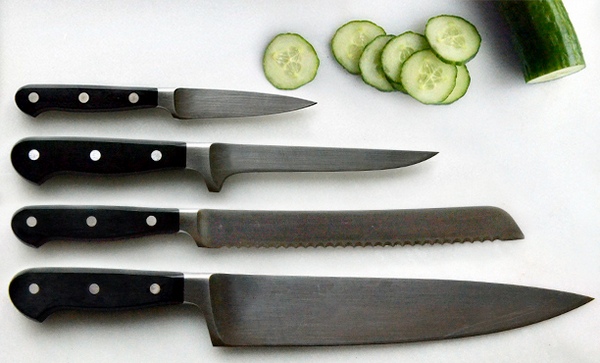
If you're just stocking your kitchen, don't forget about a knife set. And if someone else is stocking the kitchen with utensils, be sure to give them this set. We'll tell you what to cut and which knives to use in this article.
There are several types of knives, and each of them is designed for a specific type of work.
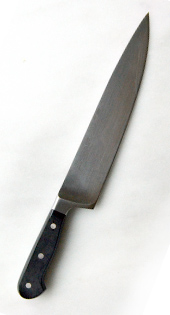
1. Chef's knife
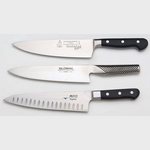
A chef's knife is the most important of all the knives in the kitchen. It should be 20-25 cm long or slightly longer. However, a knife that's too long will become flexible and awkward to use. A chef's knife is used for about 90% of daily kitchen tasks. It's used to cut meat, fish, fruits, and vegetables.
Although a chef's knife is the king of the kitchen, it shouldn't be used for tasks like cutting meat or poultry, peeling large vegetables, or opening cans. Its wide blade is unsuitable for such tasks.
The price of a real high-quality chef's knife can reach $100.
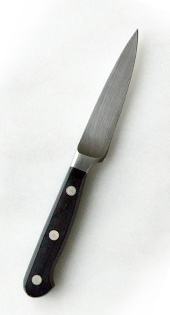
2. Vegetable peeling knife
This knife is useful where a chef's knife can't. It's great for cutting vegetables and fruits into small pieces, something a paring knife would be inconvenient to do. A paring knife is perfect for chopping garlic, shallots, strawberries, and other items. The average blade width of this knife is 8.8 cm, making it an excellent tool for working with any fruit and vegetable.
However, you shouldn't use this knife to cut very tough vegetables like carrots, celery, or parsnips. These knives are quite weak for cutting such foods, so you'll need to apply more force to get the job done. Experienced chefs say that if you have to apply a lot of force when cutting, it means you're doing something wrong. And if you're doing something wrong in the kitchen, it can be dangerous. The knife could slip under too much pressure and cut you.
A good paring knife costs around $20. However, never use ceramic knives. Buy only knives with metal blades.
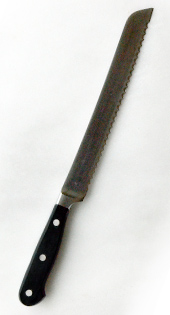
3. Serrated or saw-tooth knife
Serrated knives are primarily designed for slicing bread, but they can also be used for other tasks. The blade length of a serrated knife averages 15 cm. They are especially good for cutting foods with a waxy surface, such as tomatoes, pineapples, watermelons, citrus fruits, and peppers. A serrated blade provides better grip, unlike knives with smooth blades, which often slip.
It's important to remember that serrated knives should only be used for slicing, not chopping. These knives are only good for cutting with a sawing motion. The serrated blade grips the food and cuts it effectively. Avoid using this knife when chopping berries, herbs, or garlic.
The average price for a good serrated knife ranges from $30 to $40. If you use this knife as intended, it will serve you for many years. If the knife becomes dull, there's no need to sharpen it. Just buy a new one.
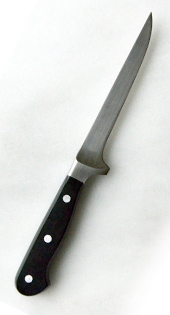
4. Boning knife
This is the best knife for cutting and boning meat, poultry, and fish of any size. Knives of this type come in a variety of sizes, from 7 cm for cutting anchovies to 40 cm for cutting pork. This knife is especially suitable for cutting joints or the rib cage.
When using a boning knife, don't try to cut through the bones. Instead, trim the meat around the bones. It's also good for cutting cartilage.
A good boning knife costs at least $30. If you work with meat regularly, you might want to consider a more expensive knife.
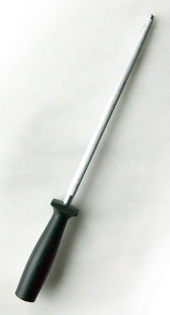
5. Honing knife
The fifth type we'll be looking at isn't really a knife at all. It's more like a nail file. It's an abrasive tool that helps the previous knives stay sharp. It's second only to the chef's knife in importance. After being honed with a honing knife, the blades become sharper, making them easier to use. All knives should be honed daily. However, since it doesn't actually sharpen the knives, but only adds a slight edge, all kitchen knives should be sharpened once a year.
Honing tools should only be used on knives with straight blades. They should not be used on serrated knives, as they can smooth out the teeth and cause the knife to slip while slicing.
A honing knife is often included in kitchen knife sets. If your set doesn't have one, you can always buy one separately. Ceramic or metal knives, costing around $25, are perfectly suitable as an abrasive tool.
If you're just stocking your kitchen, don't forget about a knife set. And if someone else is stocking the kitchen with utensils, be sure to give them this set. We'll tell you what to cut and which knives to use in this article.
There are several types of knives, and each of them is designed for a specific type of work.
1. Chef's knife
A chef's knife is the most important of all the knives in the kitchen. It should be 20-25 cm long or slightly longer. However, a knife that's too long will become flexible and awkward to use. A chef's knife is used for about 90% of daily kitchen tasks. It's used to cut meat, fish, fruits, and vegetables.
Although a chef's knife is the king of the kitchen, it shouldn't be used for tasks like cutting meat or poultry, peeling large vegetables, or opening cans. Its wide blade is unsuitable for such tasks.
The price of a real high-quality chef's knife can reach $100.
2. Vegetable peeling knife
This knife is useful where a chef's knife can't. It's great for cutting vegetables and fruits into small pieces, something a paring knife would be inconvenient to do. A paring knife is perfect for chopping garlic, shallots, strawberries, and other items. The average blade width of this knife is 8.8 cm, making it an excellent tool for working with any fruit and vegetable.
However, you shouldn't use this knife to cut very tough vegetables like carrots, celery, or parsnips. These knives are quite weak for cutting such foods, so you'll need to apply more force to get the job done. Experienced chefs say that if you have to apply a lot of force when cutting, it means you're doing something wrong. And if you're doing something wrong in the kitchen, it can be dangerous. The knife could slip under too much pressure and cut you.
A good paring knife costs around $20. However, never use ceramic knives. Buy only knives with metal blades.
3. Serrated or saw-tooth knife
Serrated knives are primarily designed for slicing bread, but they can also be used for other tasks. The blade length of a serrated knife averages 15 cm. They are especially good for cutting foods with a waxy surface, such as tomatoes, pineapples, watermelons, citrus fruits, and peppers. A serrated blade provides better grip, unlike knives with smooth blades, which often slip.
It's important to remember that serrated knives should only be used for slicing, not chopping. These knives are only good for cutting with a sawing motion. The serrated blade grips the food and cuts it effectively. Avoid using this knife when chopping berries, herbs, or garlic.
The average price for a good serrated knife ranges from $30 to $40. If you use this knife as intended, it will serve you for many years. If the knife becomes dull, there's no need to sharpen it. Just buy a new one.
4. Boning knife
This is the best knife for cutting and boning meat, poultry, and fish of any size. Knives of this type come in a variety of sizes, from 7 cm for cutting anchovies to 40 cm for cutting pork. This knife is especially suitable for cutting joints or the rib cage.
When using a boning knife, don't try to cut through the bones. Instead, trim the meat around the bones. It's also good for cutting cartilage.
A good boning knife costs at least $30. If you work with meat regularly, you might want to consider a more expensive knife.
5. Honing knife
The fifth type we'll be looking at isn't really a knife at all. It's more like a nail file. It's an abrasive tool that helps the previous knives stay sharp. It's second only to the chef's knife in importance. After being honed with a honing knife, the blades become sharper, making them easier to use. All knives should be honed daily. However, since it doesn't actually sharpen the knives, but only adds a slight edge, all kitchen knives should be sharpened once a year.
Honing tools should only be used on knives with straight blades. They should not be used on serrated knives, as they can smooth out the teeth and cause the knife to slip while slicing.
A honing knife is often included in kitchen knife sets. If your set doesn't have one, you can always buy one separately. Ceramic or metal knives, costing around $25, are perfectly suitable as an abrasive tool.
Votes: 1
Categories:
Related articles