6 Cooking Tools That Have an Expiration Date
Did you know that kitchen utensils have the same shelf life as the ingredients you use to prepare your delicious dishes? Cutting boards, wooden spatulas, graters, knives, and even frying pans have a limited lifespan. Find out how often they should be replaced and what happens if you don't.
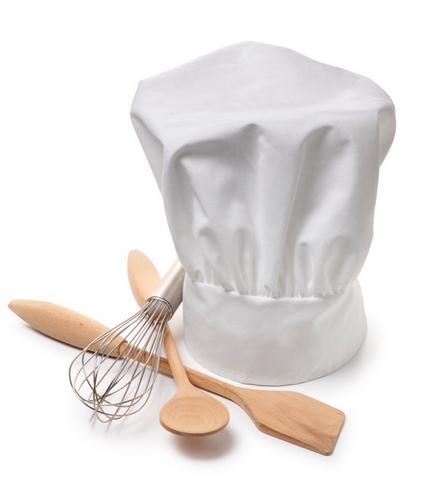
You're deeply mistaken if you think wooden spatulas, knives, cutting boards, and other cooking utensils will serve you until they break or become unsightly. Each has a certain lifespan. Keep in mind that surfaces absorb dirt, odors, and harbor harmful bacteria. Some accessories simply lose their quality. Here's a list of kitchen utensils that must be replaced periodically.
1. Silicone baking brush: every 2 years
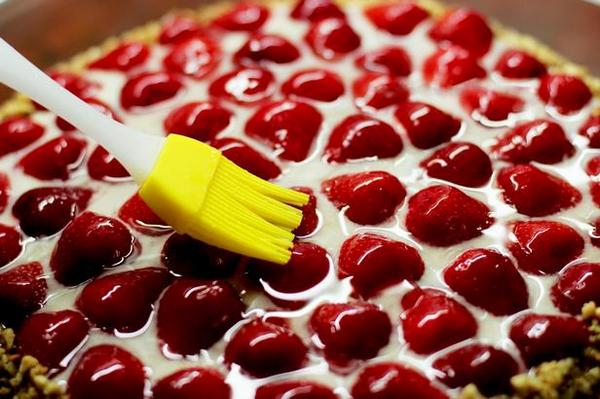
Unfortunately, this essential baking accessory doesn't last long. The rubber parts scratch, melt, and fall off over time. You don't want a pie with such a "filling."
2. Knives: every 7 years
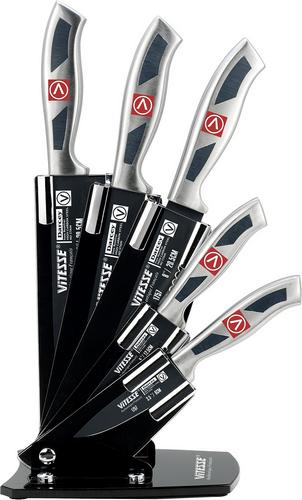
Quality knife The material and manufacturer largely determine the quality of a knife. If you've bought a counterfeit of a well-known brand or decided to save money, be prepared to replace your kitchen knives regularly. The blades of even the most durable knives wear thin by the end of seven years of use. Bacteria accumulate in the grooves, which are extremely difficult to remove.
3. Non-stick cookware: every 2-3 years
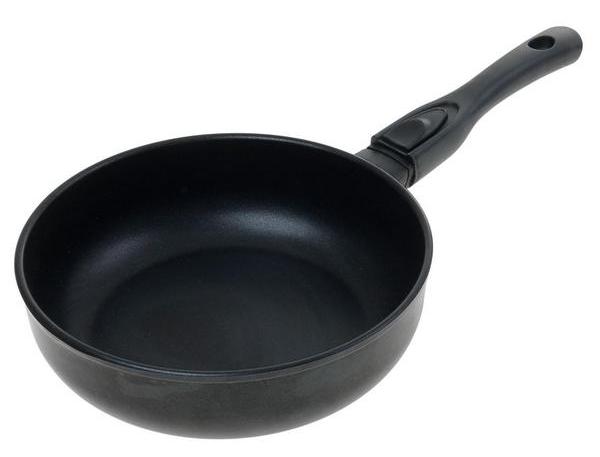
The presence of scratches on the non-stick surface is a signal that it is time to throw it away. frying pan or a saucepan. It's impossible to prepare a culinary masterpiece in such a pan—it will stick and burn.
To reduce production costs, some unscrupulous manufacturers use toxic compounds in the Teflon layer. If it is damaged, toxic substances can leach into food during cooking.
4. Graters and vegetable cutters: every 3-4 years
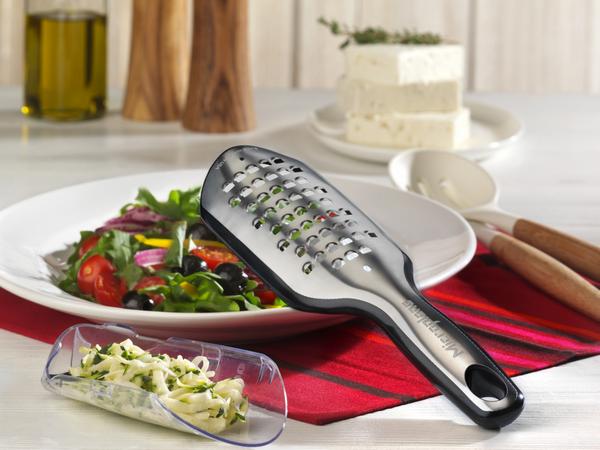
The blades of these kitchen tools inevitably become dull and thin with use. Metal particles can end up in food. The rubber handles and non-slip inserts lose their grip, making these accessories less comfortable to use.
5. Wooden spoons and spatulas: every 5 years
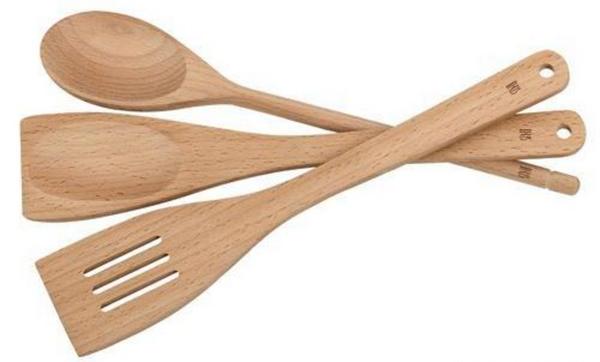
These items can safely be considered consumables. All wooden utensils used in food preparation should be replaced immediately if you notice discoloration, cracks, or softening of the material. These areas are a breeding ground for E. coli.
6. Plastic cutting boards: every 3 years
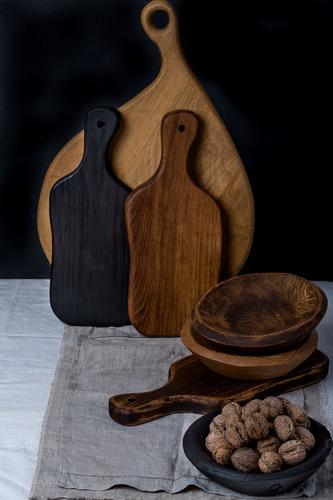
A good housewife should have separate cutting boards for meat, poultry, vegetables, and fruit. The grooves that inevitably develop over time harbor bacteria, the most common of which is salmonella.
1. Silicone baking brush: every 2 years
Unfortunately, this essential baking accessory doesn't last long. The rubber parts scratch, melt, and fall off over time. You don't want a pie with such a "filling."
2. Knives: every 7 years
Quality knife The material and manufacturer largely determine the quality of a knife. If you've bought a counterfeit of a well-known brand or decided to save money, be prepared to replace your kitchen knives regularly. The blades of even the most durable knives wear thin by the end of seven years of use. Bacteria accumulate in the grooves, which are extremely difficult to remove.
3. Non-stick cookware: every 2-3 years
The presence of scratches on the non-stick surface is a signal that it is time to throw it away. frying pan or a saucepan. It's impossible to prepare a culinary masterpiece in such a pan—it will stick and burn.
To reduce production costs, some unscrupulous manufacturers use toxic compounds in the Teflon layer. If it is damaged, toxic substances can leach into food during cooking.
4. Graters and vegetable cutters: every 3-4 years
The blades of these kitchen tools inevitably become dull and thin with use. Metal particles can end up in food. The rubber handles and non-slip inserts lose their grip, making these accessories less comfortable to use.
5. Wooden spoons and spatulas: every 5 years
These items can safely be considered consumables. All wooden utensils used in food preparation should be replaced immediately if you notice discoloration, cracks, or softening of the material. These areas are a breeding ground for E. coli.
6. Plastic cutting boards: every 3 years
A good housewife should have separate cutting boards for meat, poultry, vegetables, and fruit. The grooves that inevitably develop over time harbor bacteria, the most common of which is salmonella.
Author of the article: Olga Bocca "TopCook"
Votes: 1
Categories:
Related articles